WEEK 1
Introduction to the module
This module expands of the subjects introduced by principles of visual effects. Each week will be an introduction to growing trends in VFX.
Dr. James Fox’s The Age of the Image
Trend: Trend of the Lens
Icebreaker task
Discuss what is considered a current trend in visual effects.
1. Real time rendering provides artists with a glimpse of the final product of a scene while its being captured. This allows them to make adjustments to lighting or positions of elements within a scene.

2. Hyper realism remains a constant aim for visual aesthetics and yet its quality continues to evolve with each major project released. In order to promote audience assimilation, film, tv and games continue to grow in its use of CG visuals. This is not limited to science fiction it can be observed in period pieces.
The Age of the Image
Tyranny of the Lens
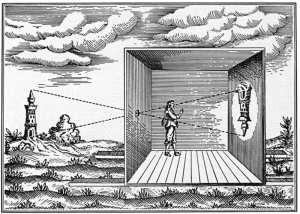
First used by Charles Falco and David Hockney. This term represents the idea that lens have played a predominate role in visual art, long before the existence of photography itself. Falco and Hockney believe that renaissance painters used lens projection to create the many pieces we know today, this concept is referred to as the Hockney-Falco thesis.
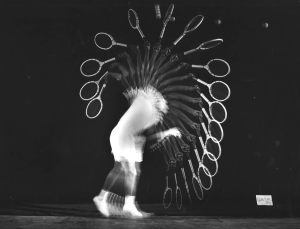
Harold Edgerton
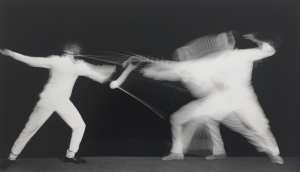
He was a pioneer in photography and challenged the lengths at which a camera go to capture beyond a single moment. With the use of strobe lights and high speed film cameras Edgerton was able to create images displaying different moments within an action.
Class Exercise
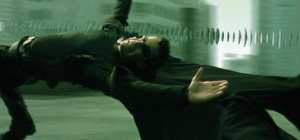
Comparing Harold Edgerton’s photography to modern film shots.
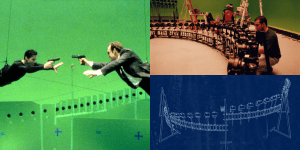
1. Harold Edgerton, 1949 and The Matrix, 1999
2. Harold Edgerton, 1932 and Rihanna’s Umbrella, 2007
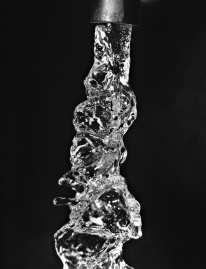
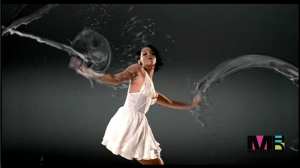
3. Spiderman, 2002 and Harold Edgerton, 1964

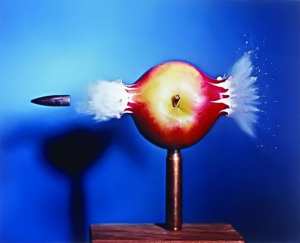
4. Lucy, 2014 and Harold Edgerton ,1938

Consolidation 1
What does James fox Mean by “The Age of the Image”?
Fox goes in depth as to why the phrase “the age of the image” clearly describes our society. He believes that we as a people have always lived in a world ruled by visual documentation and capture. From the capture of moments through traditional media such as drawing and painting, to the use of photography. Through the growth of modern technology, photography is now more accessible than it has ever been. As of today, more pictures exist now more than ever before, Fox therefore refers to this phenomenon as “the age of the image”.
In modern day society everyone has the ability to capture all sorts of moments, from relevant to practically mundane, in comparison to over a century ago when the art of photography was only accessible to certain people. These included scientists or elite researchers. Additionally, the growth of ‘the image’ is heavily influenced by the rise of technology. This is due to the fact that the camera as a medium gradually became more portable since the early 20th century. Since the making of the Brownie in 1900, one of the most portable and affordable cameras in the century, photographic technology has only ever been developing. This then led to the creation of new mediums such as the average smart phone which is now considered a necessity to modern day living.
WEEK 2
The Photographic Truth-Claim Theory
Trend: Photographic Realism
In this session the idea of reality and how it is perceived is discussed.
The truth claim theory is a term created by Tom Gunning which refers to the idea that photography is the most accurate representation of reality.
The Allegory of the Cave
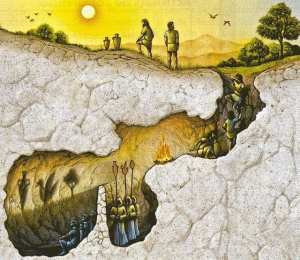
This is a story about prisoners in a cave that mistake shadows for reality until one escapes and discovers the real world. This is an allegory representing questions about comprehension and perspective. In his book ‘The Republic‘, Plato uses this as a portrayal of the truth behind philosophical understanding, with the prisoners representing our basic knowing of the world, while the escaped prisoners represents the true understanding through philosophy.
This can be applied to how modern visual effects replicates reality and can therefore affect our perception of it.
Consolidation 2
What is meant by the term “The Photographic Truth-Claim”?
The photographic truth claim is a term first used by Tom Gunning to refer to the idea of photography as one of the the most reliable methods of visual documentation.
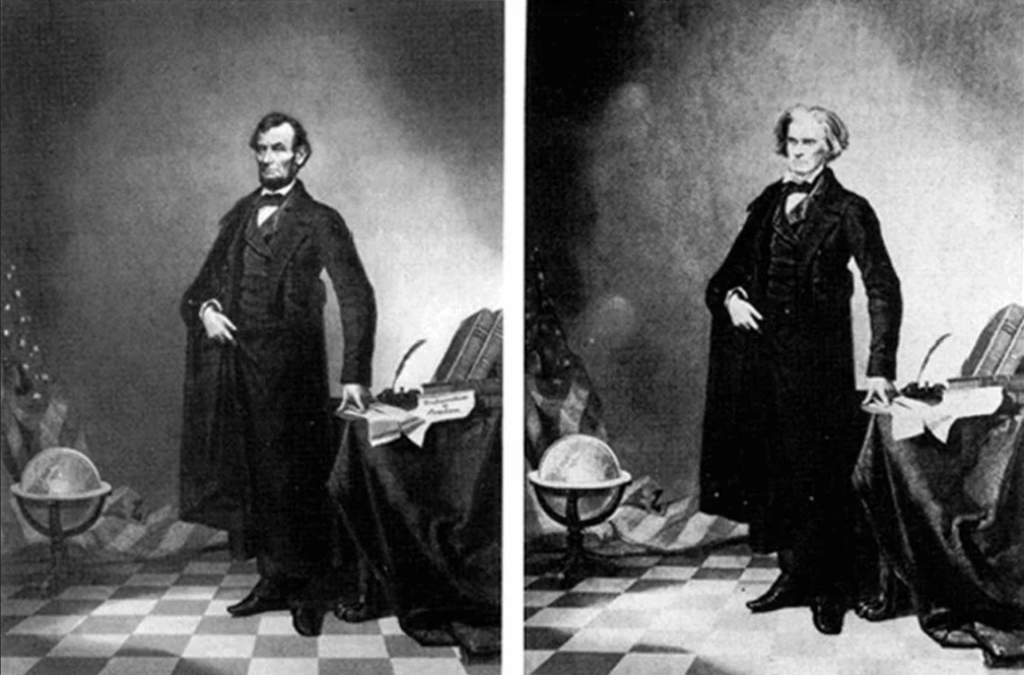
This concept can be argued; as while the camera as a medium for visual capture has workings resembling that of the human eye, factors such as the relationship with the photographer and subject affect how an image is presented. Through manual and digital manipulation, photography gradually loses its credibility. In comparison to film where these adjustments are exaggerated and therefore more obvious, this principle has also been observed in political documentation. For example, in 1864, Abraham Lincoln’s world famous photograph was created, displaying a full body shot. However, this was then discovered to have been a painting of politician, John Calhoun replaced by a photograph of Lincoln’s head. This was done because it was believed that Lincoln had no heroic images of himself at the time. This wasn’t discovered until almost a century later. This event could arguably be considered an intentional method of manipulating reality with the aim of supporting an agenda, which is an issue that comes with visual manipulation. This therefore highlights the importance of the “photographic truth claim” as a topic of discussion
Furthermore, the idea of indices arises as a means of contextual identification while relying on the gap between the raw unadjusted imagery and its final result, (Gunning, 2004). Images, while often times being an accurate visualisation of reality can simply be considered a representation of the subject captured. Its ability to be understood by the viewer isn’t solely dependent on the iconicity of the image, but also the indices presented. From raw to tampered imagery, minute detail regularly associated with certain subjects can aid the image’s ability to be considered reality. When this is taken into account during VFX production, shots appear more to resemble reality.
Harvard reference
- Aoki, K., Beaubien, A., Eichhorn, S., Hargrave, A., Lake, M. and Polster, B. (2018). Truth claim. Available at: Microsoft Word – TRUTH CLAIM_PDF_Checklist Review_V2_NP.docx (Accessed 18 Oct. 2026).
- Mullen, L. (2021). Artdoc Magazine – Truth in photography: Perception, myth and reality in the postmodern world –. Artdoc photography magazine. Available at: Truth in photography: Perception, myth and reality in the postmodern world – Artdoc Photography Magazine Photo Culture (Accessed 18 Oct. 2026).
-
Macdonald, F. (2024). How a 19th-Century portrait of Abraham Lincoln was later revealed to be a fake. Bbc culture. Available at: How a 19th-Century portrait of Abraham Lincoln was later revealed to be a fake – BBC Culture (Accessed 18 Oct. 2026).
WEEK 3
Faking Photographs: Image manipulation and computer collage
Trend: Photographic Fakes
Task 1
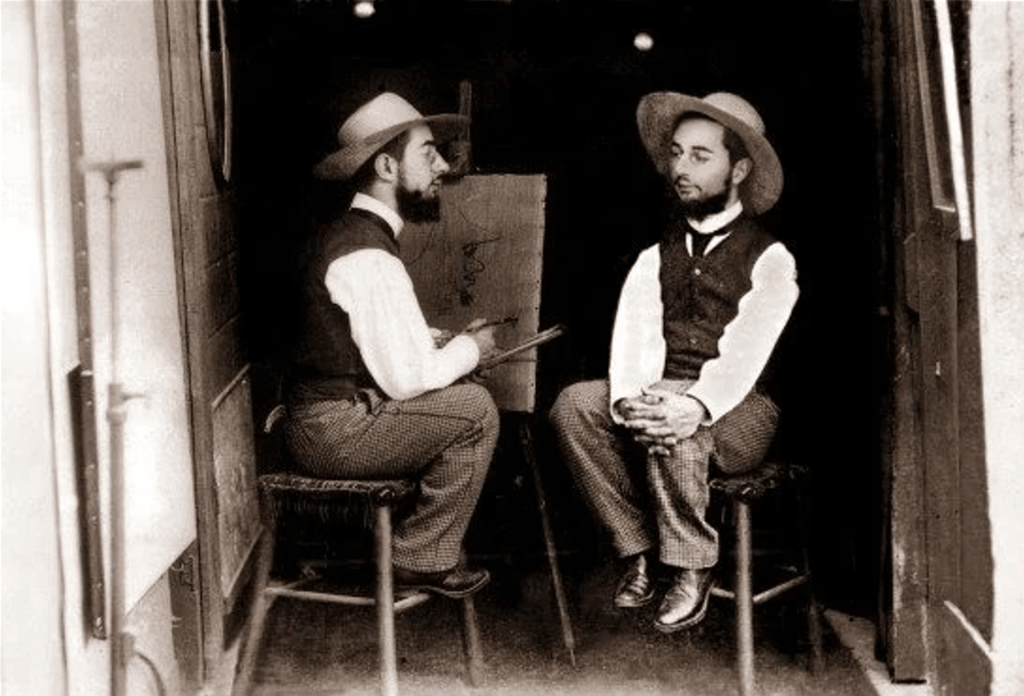
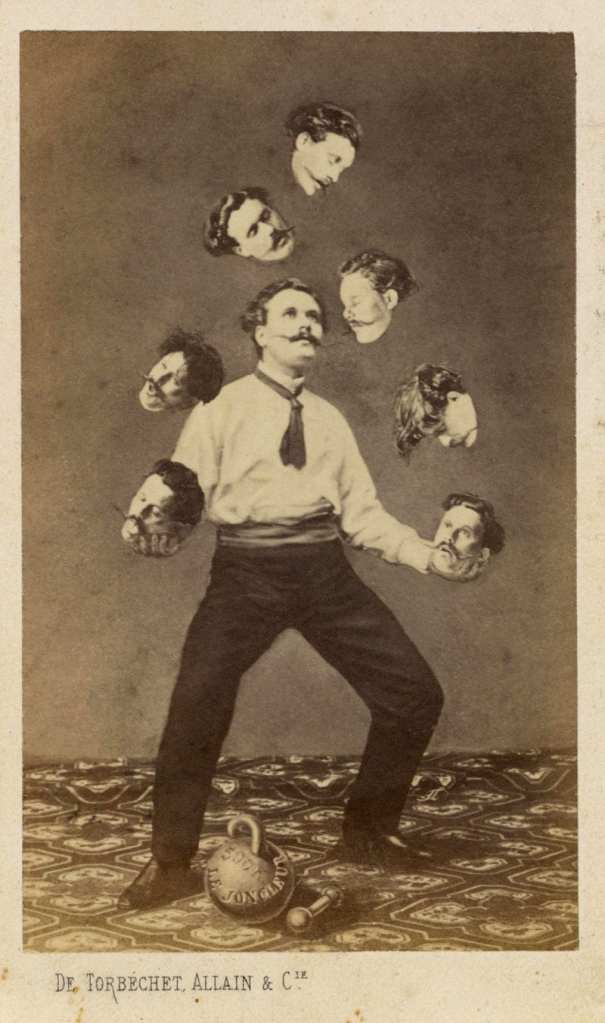
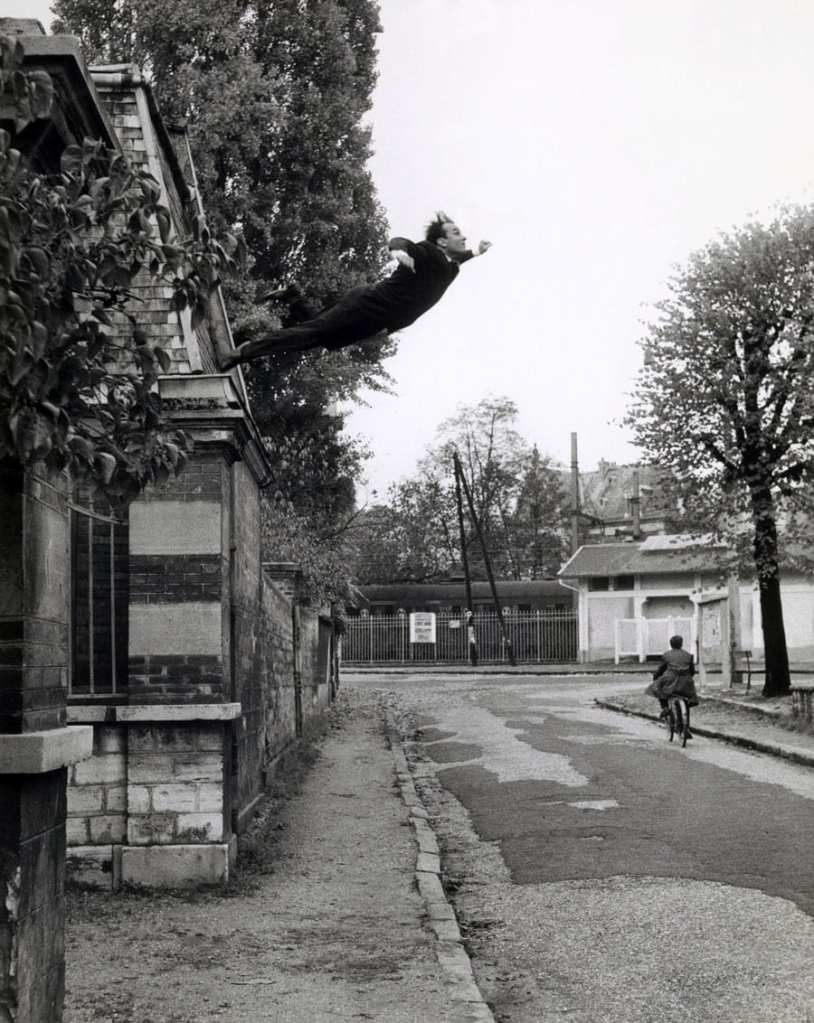
Images made with non digital manipulation:
1. Henri de Toulouse-Lautrec, 1890
2. Untitled artist, 1880
3. Image of Abraham Lincoln pasted onto John Calhoun, 1852
4. Yves Klein, Leap into the Void, 1960
2. Untitled piece by unknown blogger. The edge which the pigeons stand bland in with the pavement of the car park creating the illusions of giant pigeons in a car park

3. Natsumi Hayashi, from her 2010s series “Today’s Levitation”

Task 2
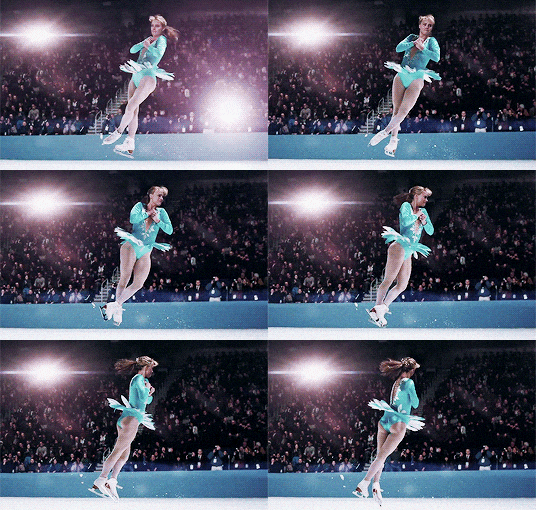
Subtle visual effects shots from historically accurate productions.
1. Catherine the Great: the army guard displayed in this shot are made by multiplying a smaller group of guards.


2. I’ Tonya:
Consolidation 3 – What is VFX Compositing
Compositing is the act of combining multiple elements to create a new scene or image. With VFX compositing, digital elements such as computer generated imagery and live action footage can be taken separately and seamlessly blended with each other to create a single scene or environment. The main aim is to create a result that replicates reality, almost appearing to have been captured all at once. This art can be observed in most visual media productions, including film, series and adverts.
Compositing plays a very important role to visual production as it influences how an audience responds to the final result. Lack of realism reduces the possibility of audience immersion, therefore diluting the experience.
Techniques often associated with VFX composite include green screen, modelling and rotoscoping. With modern VFX compositing, these techniques are used to create separate elements which are then combined using advanced digital software. These are often compiled as layers that can be separately adjusted to blend in with the setting. To ensure that the final result is convincing enough to the audience, features such as the lighting, tone, colour scheme or perspective are toggled with. In the VFX industry, this is done using software such as Adobe after effects, or more powerful alternatives including Nuke and Fusion which uses nodal functions as opposed to layers. Furthermore, computer generated components observed in a composition are made separately using applications such as Zbrush; this is useful for modelling and rigging organic structures with pronounced detail, e.g. humans, animals, plants and so on. Additionally, Maya and Houdini are software useful for hard surface modelling and simulations (particle systems, rigid body simulations or real time movement). When it comes to combining CGI with live action footage, along with the aforementioned features, lighting, tone and colour, other s such as texture form and even weight are applied in ways that accurately reflect the context of which the element will be presented.
Harvard References
- LTX Team (2026). What is VFX compositing? Meaning & techniques. Available at: What Is VFX Compositing? Meaning & Techniques | LTX Glossary (Accessed 17 Oct. 2026).
- Prince, S. (2012) Digital Visual Effects in Cinema : The Seduction of Reality. 1th edn. Rutgers University Press
WEEK 4
Photorealism
Trend: Computer Photorealism
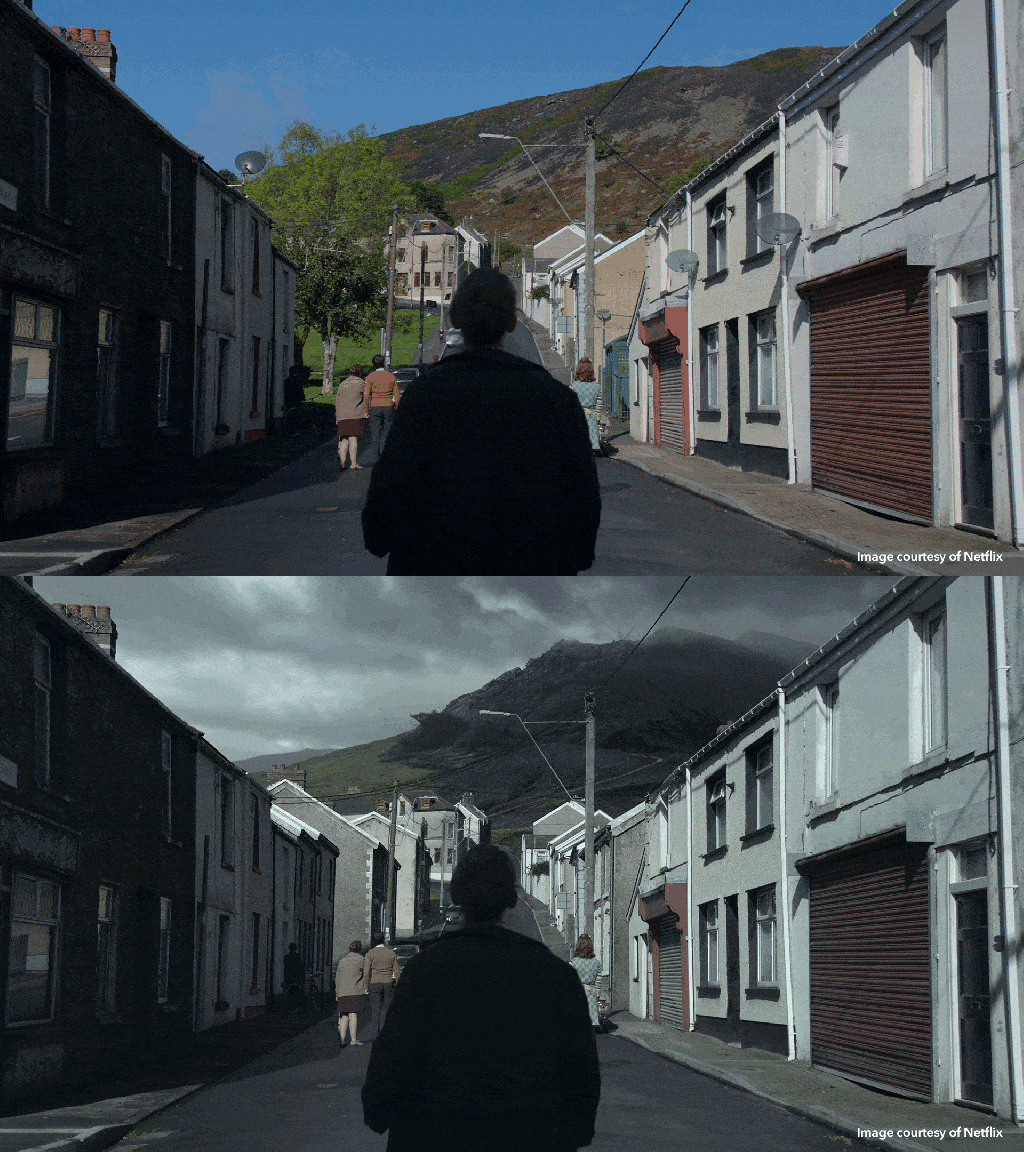
Photorealism refers to an art technique that involves recreating a photographic image through different means. This technique officially originated between the 1960s and 70s as artist would project photographs onto a surface and recreate it using art mediums such as paint, pencil, charcoal, etc. The aim of this was to always create a piece that replicates the photographic reference.
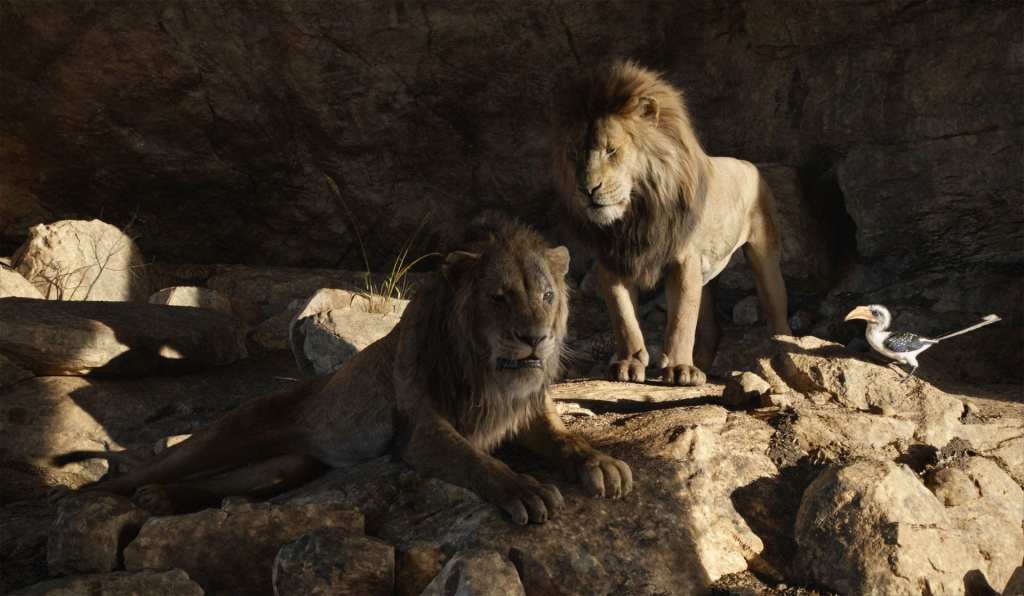
When photorealism is applied in VFX, the aforementioned principles are still applied. Techniques, including CGI and compositing are done with the aim of creating something almost indistinguishable from reality.
Case study of Photorealism in film VFX
1. Aberfan’ The Crown: Season 3 (2019)
2. Extract from: The Lion King (2019)
Task
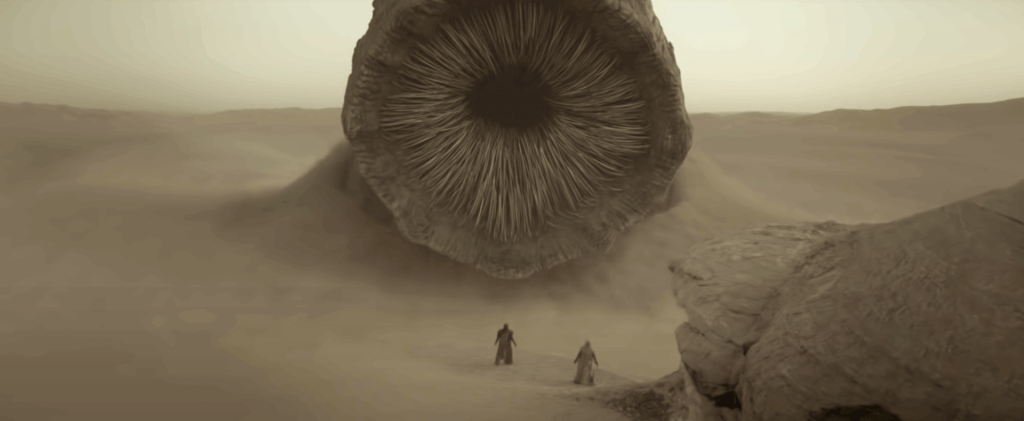
Gather photo real images made only with CGI.
1.Avatar (film)

2. OD knock (video game)
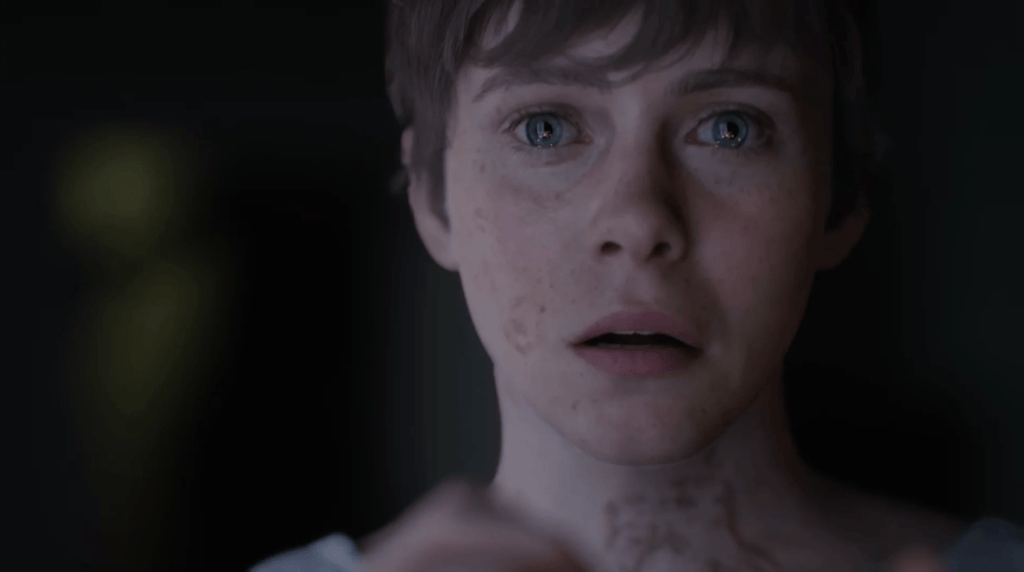
3. Dune (film)
4. Red dead redemption (video game)

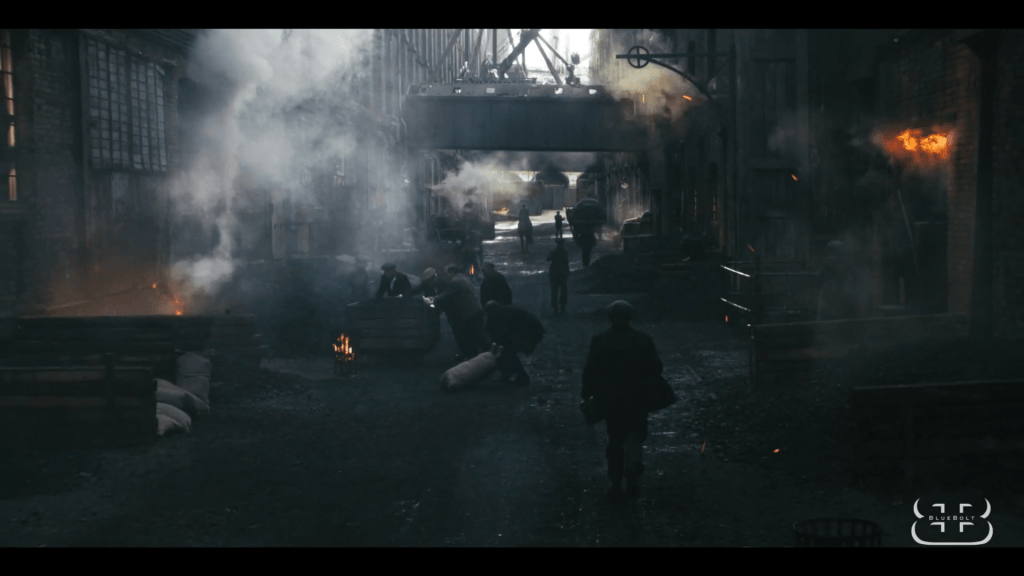
Shots of photo real composting
1. The Immortal Man
WEEK 5
The New Indexicality in Digital Media
Trend: Other Indexes
A Digital Index: bringing truth into VFX via Motion-Capture
Trends of capture in visual effects:
1. Motion Capture: the process of recording human movements and applying it onto computer generated elements.
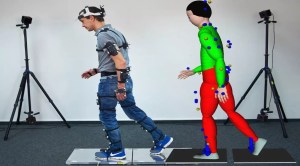
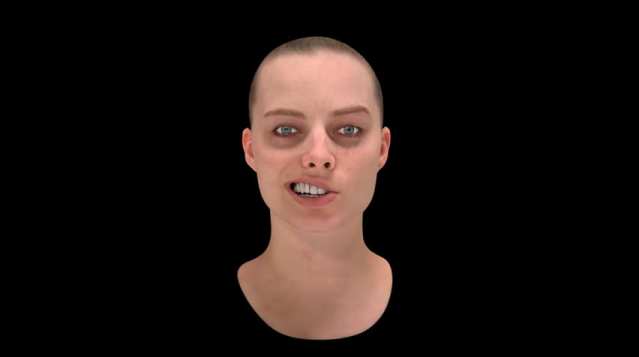
2. Facial capture: a method of motion capture that involves scanning the expressional movement of a face and applying it onto a computer generated characters.
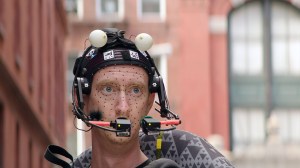
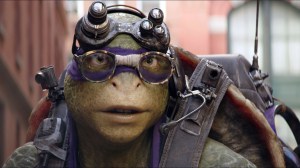
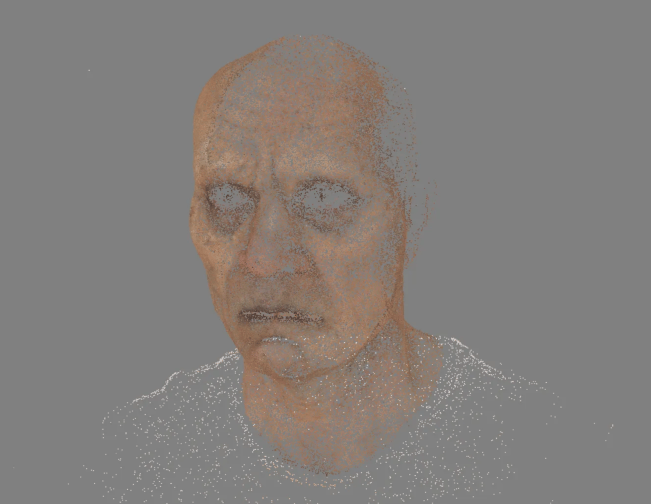
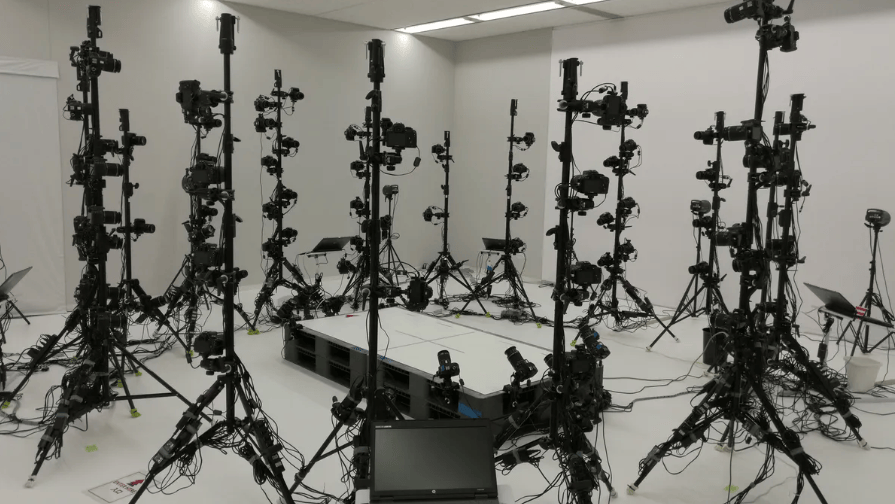
3. Photogrammetry: the process of extracting 3D data from overlapping digital images. It combines information such as perspective, depth and form to create a 3d interpretation of the subject.
Discuss and compare
The Jungle Book, 1967
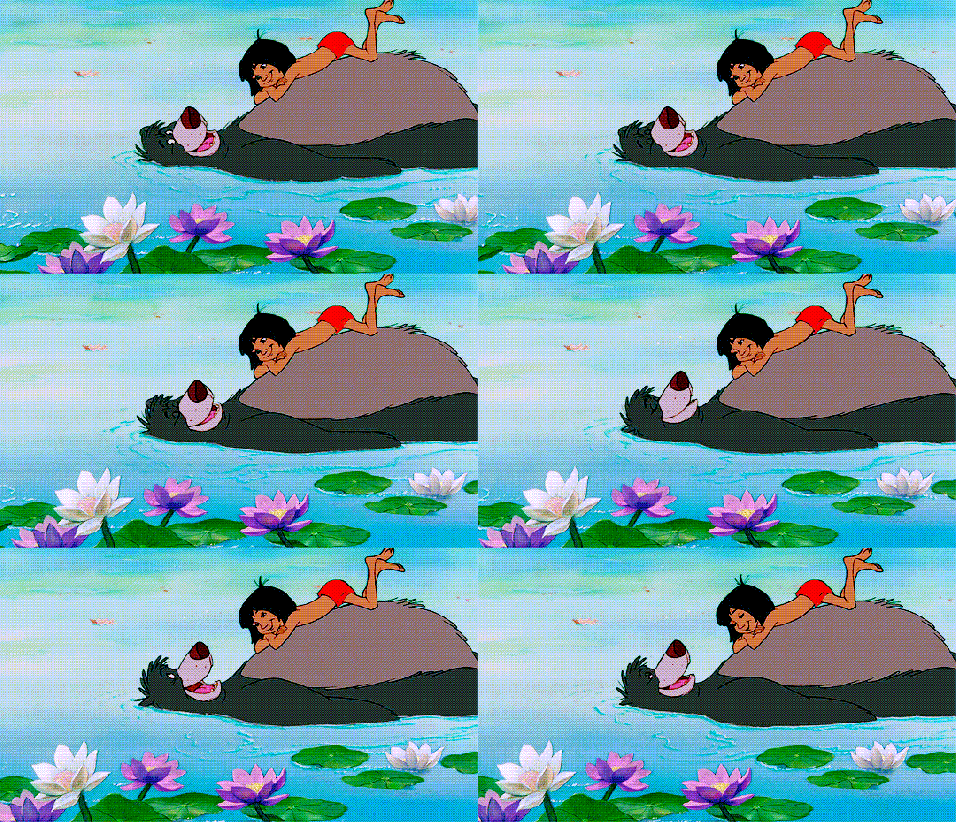
- Film was made using traditional hand drawn animation and xerography.
- Movements are more lively and exaggerated.
- While its main subject is purely imaginative and unrealistic, its animated quality matches the fictional aspects of the film: the viewers aren’t prone to questioning animals talking and singing as it is visualised through stylised animation.
The Jungle Book, 2016
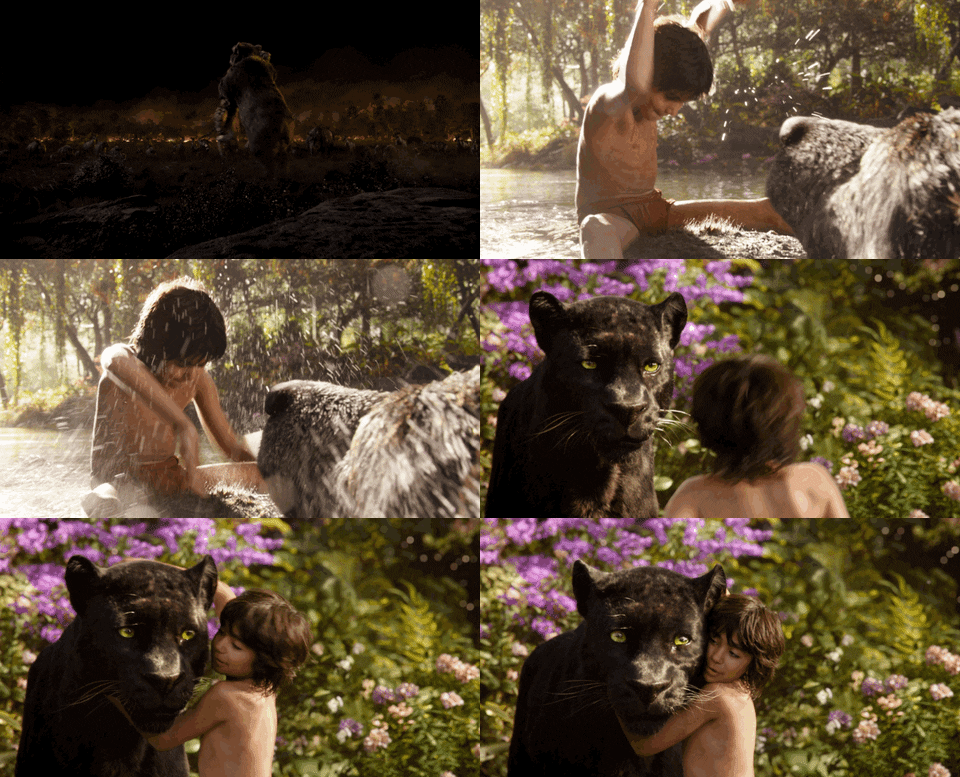
- This film was made using a combination of live action and computer generated imagery. Movement from the animals were captured with motion capture.
- As opposed to the earlier film, this version appears to be hyper realistic.
- The concept of animals taking and singing while being resembling real life can present an almost uncanny feeling to the audience. The fictionality and realism can be said to challenge or complement one another.
- in comparison to the earlier version, movement of characters in this film is slightly less exaggerated. in order to maintain realism, artist limited actions to those observed in real life animals.
Consolidation: Comparing Motion Capture and Key Frame Animation.
Motion capture is a technique that allows live action movement to be captured and transferred onto computer software to be interpreted as digital data.
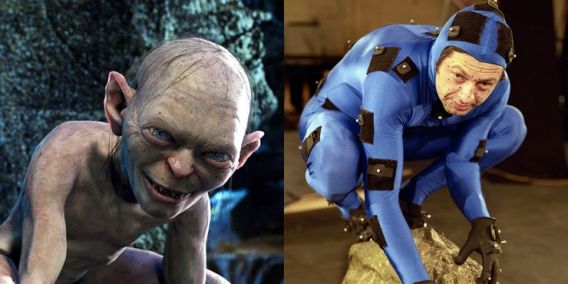
Key frame animation is a process that involves creating points that define the start or end of an action. Key frames act as the most important moments within a movement that then allows computer software to fill in a transition between them.
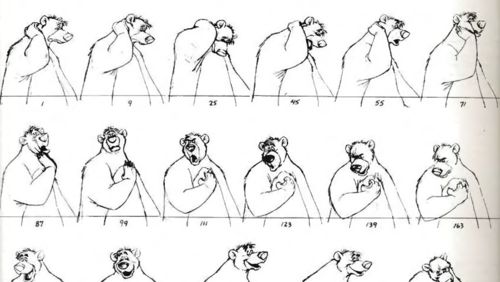
When comparing the efficiency of these techniques, one cannot be said to surpass the other as they each have their designated functions in visual production. Both are used to create complex movement, with motion capture being more efficient for displaying realistic human or animal gestures. Furthermore, key frame animation is more efficient for creating more exaggerated or unrealistic movement which can often be observed in stylised animatics. The consepft of motion capture relying on human movement can be said to be a limitation the human body can only perform so much.
While both play a key role in the visual effects and animation, they are often times reserved for specific approaches towards production. Both techniques may have slightly different objectives, thus they tend to create their own types of results. For example, the main aim of motion capture is to display hyper realism through accurate human movement applied onto computer generated elements. And while, the aspect of hyper realism can be observed as an objective in some productions, key framing is often used on animation that requires slightly exaggerated or non human movement.
Another important difference that needs to be covered when comparing key frame animation and motion capture is that the latter uses live action footage as a base of movement for CG character animation. On the other hand, key frame animation relies on the intuition of artists to create movement based on the principles of character animation or basic dynamics that may guide these (human or non human) actions. Key framing may also be used for real life object animation, in this case hyper realism can be aimed for by simulating real time object dynamics.
WEEK 6
Reality Capture (LIDAR) and VFX
1. Photogrammetry –
Resident Evil 2: the head of character models were scanned using photogrammetry then applied onto stunts men to create the final video game.
2. Depth based scanning
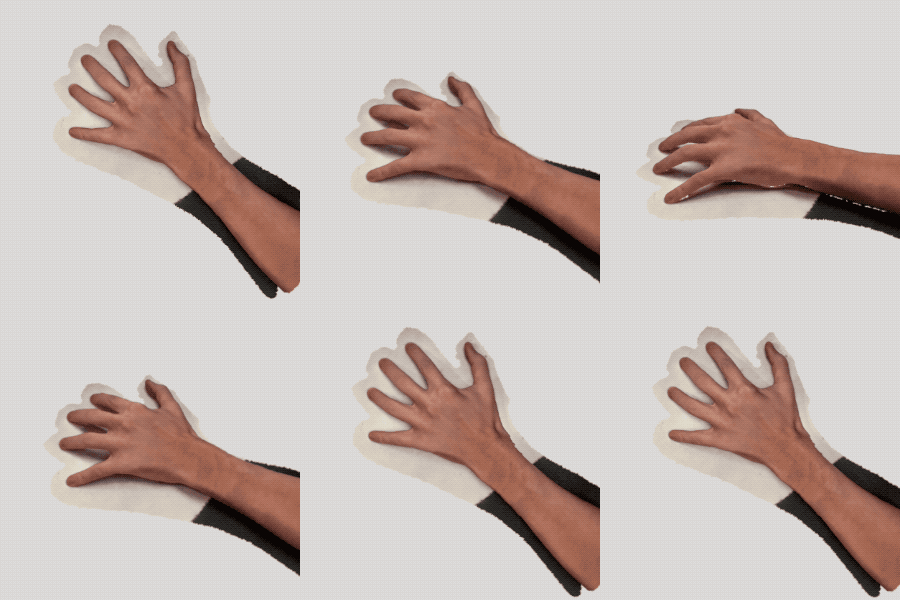
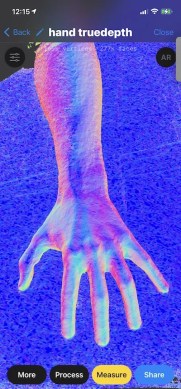
When commissioned by a client, LAAN labs a scanning and software development company created a program that allows users to scan body parts. This provided useful for printing casts with customised body measurements.
3. Laser Scanning – This is a very common method of 3D scanning that is often used commercially. It is applied with interior design and architecture as it provides detailed information.
case study
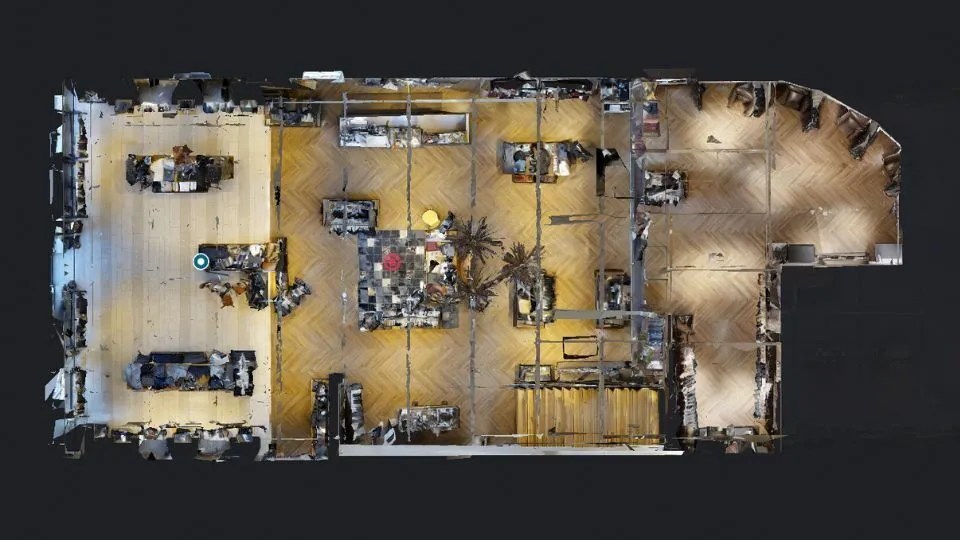
Ervin architecture is an architectural company that offers 3d scanning services. This is an example of one their projects which displays this technique being used in the retail sector. This gives a clear layout of the store, allowing clients (store owner or visual merchandisers) to work out how it can be adjusted to optimise customer interaction.
case study
Clear angle studios
Task
write three short reflections in your sketchbook or webpage. Consider:
1.How are these images and technologies different from Traditional Film/Photography
2.What makes the laser scans visually and technically distinct?
3.What architectural or spatial features are highlighted that you wouldn’t normally notice?
4.What is the Creative or Emotional Impact? How does this method change your perception of the city or its history?

