Visit to Framestore – 5 November 2025
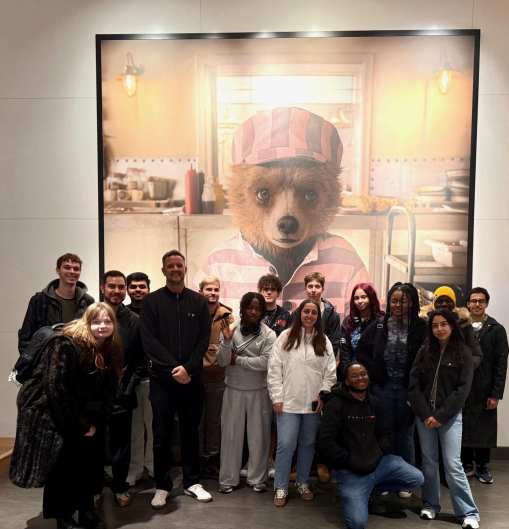
For this activity, the course was given the chance to visit Framestore, a well renowned visual effects company responsible for the production of many iconic films. Paddington, Gravity, how to train your dragon, Jurassic world are included in the variety of iconic films created with the contribution of Framestore’s artists. I used this experience as an opportunity to better understand the inner workings of the vfx industry, including the amount of people it takes to make up a company or work on a project, the divisions and departments within the company, and the detailed procedure carried by companies too meet the expectations of filmmakers.
WEEK 1
VFX Vs SFX Vs CGI
Guess the film quiz.
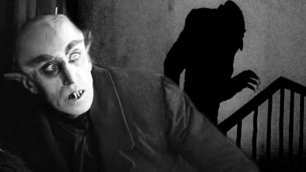
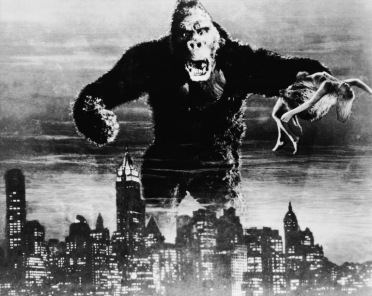
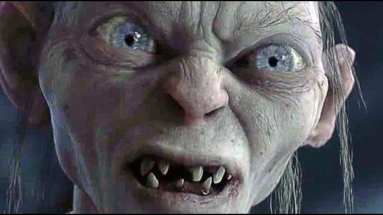
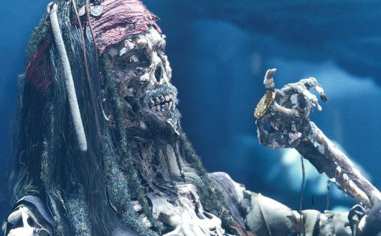
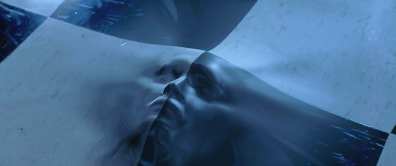
- Visual effects can be described as the aspects of film that involves combining shots and images to create a final outcome. It also includes digitally sculpting 3d images that can be displayed through motion capture technology (computer generated imagery – CGI).
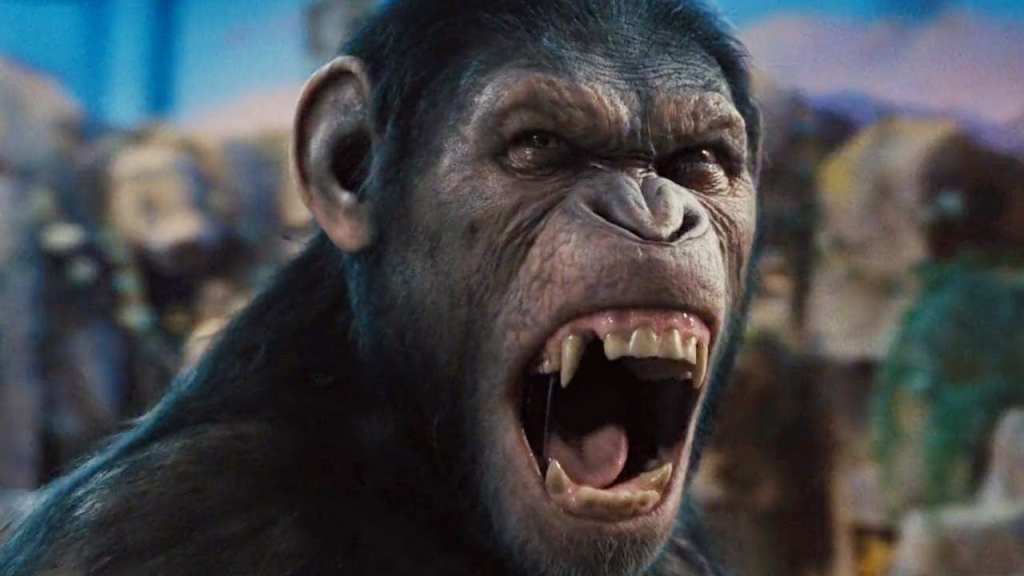
- It is less expensive as it doesn’t require physical objects and materials.
- Special effects are practical techniques used to create certain models or effects in films and tv. examples can include make up, prosthetics, animatronics, etc
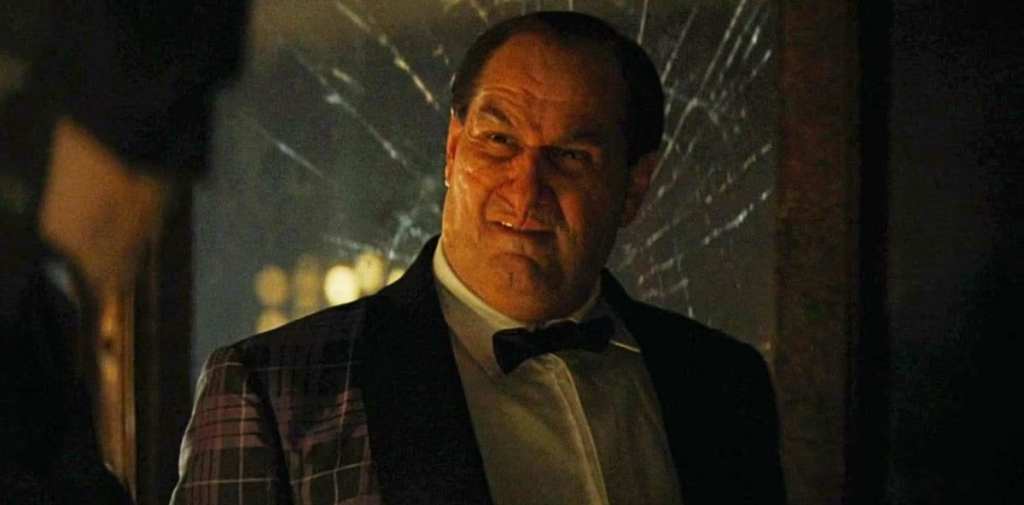
- It can be much more realistic in terms of its appearance and how actors may interact with it compared to an inanimate motion capture model.
Assignment 1: Deguzman, K. (2024) Decoding the Debate’ By Kyle DeGuzman. Available. at: VFX vs. CGI vs. SFX — Decoding the Debate(Accessed: 3 October 2025).
Kyle DeGuzman uses this article as an opportunity to explore the differences between visual effects, special effects and computer-generated imagery. Moreover, how their unique, yet almost interchangeable roles have come together to create the many motion pictures we value today.
DeGuzman describes visual effects (VFX) as the process of manipulating real footage or imagery to create realistic settings that may be difficult or impossible to film in real time. On the other hand, computer generated imagery (CGI), is referred to as any visual element created solely using digital software. When the article compares both processes, CGI is described as entirely digitally based, whereas, VFX can be applied to any form of “visual manipulation”, encompassing SFX and CGI. This is said to cover techniques such as the use of perspective to create certain effects, compositing/layering using optical printers and matte painting.
CGI is referred to, by the article, as being a very art oriented technique involving “3d modelling, texturing and rigging”; along with other features that can be used to modify or duplicate actors. The article addresses CGI as a key aspect of modern-day technology as it allows filmmakers to visualise elements and creatures that may be impossible to access in the real world. The article further emphasises this point by going in-depth into the creation of Gollum, a CGI character from Peter Jackson’s ‘The Lord of the Rings’. Gollum’s realism was achieved using systems that accurately display bone and tissue structures in response to movements made by his motion capture model: Andy Serkis.
Kyle DeGuzman then proceeds to define special effects (SFX), saying, it covers all practically made elements displayed in film and television, e.g. make up, prosthetics, controlled explosions, animatronics, etc. When comparing all three techniques, DeGuzman states that SFX uses entirely physical techniques to achieve realism, whereas VFX and CGI may predominantly involve the use of digital software. While VFX, CGI and SFX each have their distinct purposes, the article explores films in history that have used at least two of these three techniques to achieve realism. For example, Sam Mendes’ ‘1917’, Christopher Nolan’s ‘Oppenheimer’, and George Lucas’ ‘Star Wars’, whose visual production acted as a pioneer in the art of visual effects in film and TV. By using a series of examples and case studies, DeGuzman clearly communicates the distinction between the three techniques.
WEEK 3
Spectacular Vs Invisible visual effects
Spectacular visual effects refers to aspects of vfx in film that have the aim of creating a mostly dramatic or surreal experience for the viewer. On the other hand, invisible visual effects mainly takes account of realism in film shots, with the aim of being perceived as subtle by the viewers. For example, this shot in Alphonso Cuaron’s Gravity. This is a shot that although, displays realism in the components, still displays a highly fantastical situation. However, this scene in the wolf of wall street does the opposite, depicting a scene with a realistic shot and setting with subtle vfx enhancements.
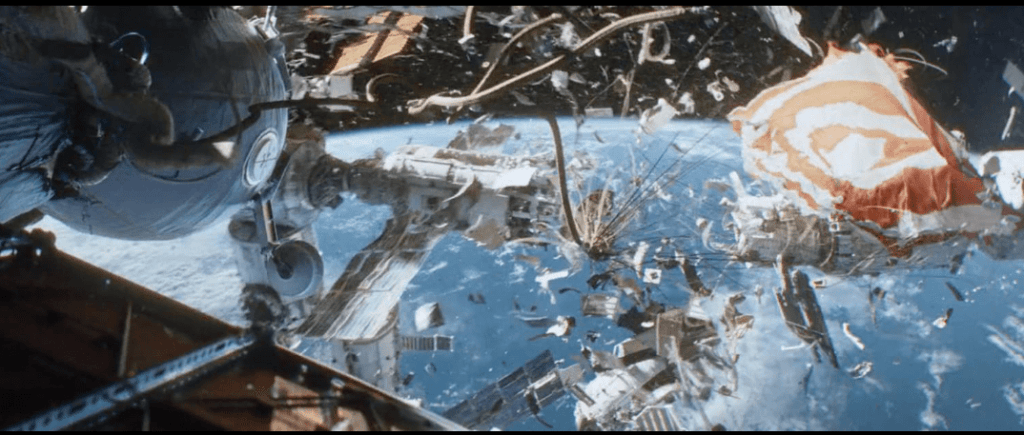
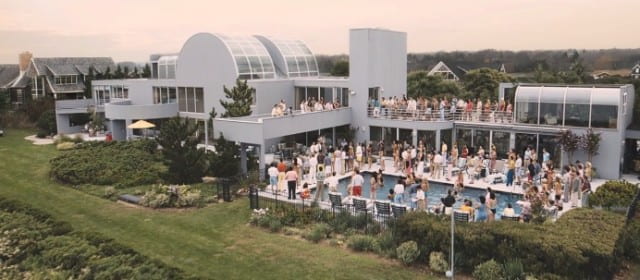
Assignment 2 – Foundry (March 04, 2021), Hidden in plain sight: the art of invisible VFX. Available at: Hidden in plain sight: the art of invisible VFX | Foundry (Accessed: 17 October 2025).
The article discusses the main role played by invisible visual effects in film, along with how they are achieved. Invisible VFX is defined as a subtle form of visual manipulation that is used with the intention of remaining unidentifiable to the audience. This is often featured in period dramas with the aim of displaying the world accurate to the time period. While this method is somewhat effortlessly presented, its creation is said to require the same amount of craftsmanship that often comes with recognisable visual effects.
The main subject of the article is further illustrated as it references instances in film and TV where invisible VFX has been successfully applied to its production. This included David Fincher’s “Mank”, starring Gary Oldman as Herman J. Mankiewicz as he develops the screenplay for Citizen Kane. Fincher is said to have used a unique, yet traditional approach towards capturing visually manipulated shots; this is referred to as rear projection. By using a prop car against a projected background, driving scenes displaying 1930s America were achieved by design company, Territory. Hit Japanese TV series “Alice in the Borderland” is also referred as a good example of invisible VFX. In certain scenes that have been praised by viewers for their realism, the series’ visual production team added background images of Japanese city locations (such as Shibuya), and included moving elements such as birds and animals to further depict realism with the shots. Furthermore, in “Ford Vs Ferrari” a film with captivating car action shots, visual augmentation was achieved through compositing pre recorded shots of cheering fans, against imagery combined to create shots accurate to the 1960s. This is in addition to computer generated cars and visually manipulated crashes.
Then the idea of ,good, effects being equal to subtle VFX is brought up; questioning it as an outdated idea. The author argues that a good film relies more on its plot and message rather than the believability of its effects. Whether good or bad, visual effects is simply used as a gateway to communicate the creative intentions of the filmmaker. While this is mostly true, one can somewhat argue that visual imagery created with enough skill and craftmanship could make up for a low standard plot line through its ability to captivate the audience.
WEEK 4
The Art of Creating Awe: The Origin of Special Effects
Discovering the Lumière Brothers
- Auguste and Louis Lumière were French inventors and pioneers of late 19th (and early 20th), century photography and cinematography. With a father as a photographer, the Lumière brothers where skilled in science from a fairly young age, with Louis establishing a photographic plate business at the age of 18.
- They were responsible for the creation of the “cinématographe” in 1895, a camera with the ability to capture and project motion picture. Its lightweight form made it more practical to use than other early devices. It was used in the filming and screening of many of the first commercial films ever created. This paved a way towards the the growth in the popularity of cinema at the time; leading to a wider range of techniques filmmakers and storytellers can use to express creative intention.
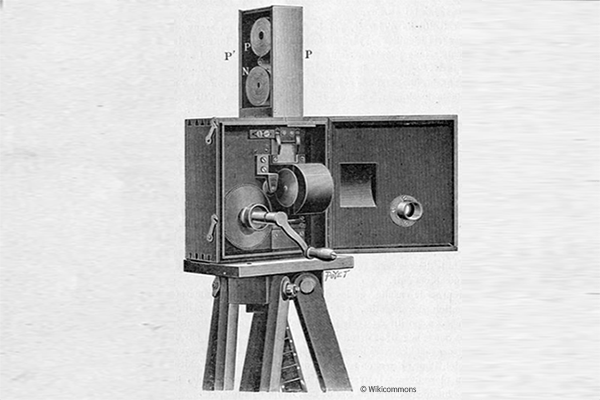
- The brothers shot and screened their first film “Sortie de l’usine Lumière de Lyon” (workers leaving the Lumière factory) the same year using the cinematographe.

Assignment 3 – Spira, J. (2020) Georges Méliès on his early struggles in cinema: ‘The inventor’s life is not all sweetness and light!’. Available at: Georges Méliès on his early struggles in cinema: “The inventor’s life is not all sweetness and light!” | BFI (Accessed: 26 October 2025).
Georges Méliés was a pioneer of cinema whose approach towards videography, special effects and visual effects created or lead to the variety of techniques used in film today. Through his experience as a magician and theatre director, Méliés invented effects such as forced perspective, matte painting, jump shots, double exposures, etc.
This article recounts one of the many experiences faced by Georges Méliés as a filmmaker struggling to express his creative visions through limited screening resources presented at the time. This was experienced by many film pioneers in the early 20th century and late 19th; due to the originality of these inventions many innovators kept their works mostly reserved to themselves.
Due to less access to cinema resources at the time, Méliés was said to have purchased Thomas Edison’s Kinetoscope, and upon studying it, was able to create his own device by replicating its controls. Once the camera was finished, the next necessary step was to carry out a selection of trial shoots. To do this the inventor required virgin film, which wasn’t available in 1896, France. Eager to achieve the shooting, Georges Méliés was said to have left for England to purchase an entire box of virgin film. Upon returning from England, Méliés had discovered that the film was unperforated. He therefore resorted to hand perforating the film using a hammer that creates merely two holes at a time. Regardless of how tiresome the process proved to be, Méliés finished perforating the film, leading on to the discovery of another obstacle, adjusting the length of the reels. Fixing this issue required very hands on procedures that involved cutting up the reels in a bucket of developer, joining short and long sections, and so on. Through a dedicated series of trial and error, Georges Méliés was able to achieve his shootings for his first films. Moreover, with the perfection of Joseph Debrie’s printing machine, the load of capturing imagery and screening was lifted off of Méliés shoulders.
WEEK 5
Ray Harryhausen: the Special Effects Titan
Ray Harryhausen was an American-British animator and special effects artist known for his pioneering contribution to the growth of visual effects in cinema. His approach towards special effects continue to inspire many well known directors such as, Steven Spielberg, James Cameron and Peter Jackson.
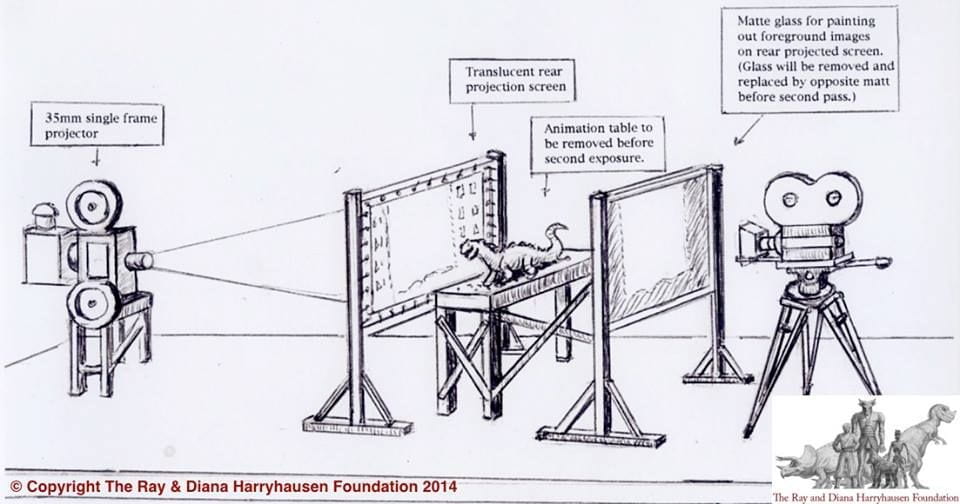
Harryhausen’s creation of the filming technique Dynamation allowed actors to be shot alongside animated models. This became a fundamental technique used in cinema today. This process involves rear projection of the live action film against the stop motion figure, this allowed for the seamless blend of live action and fantasy. This was observed in films such as “Jason and the Argonauts (1963)”, and “Clash of the Titans (1931)”.

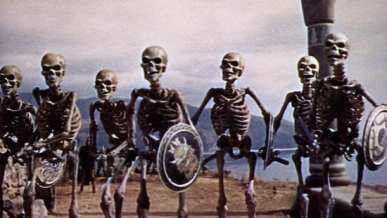
Assignment 4 – Ferrier, A. (2023) The pioneering efforts of animator Ray Harryhausen. Available at: The pioneering efforts of animator Ray Harryhausen (Accessed: 3 November 2025).
The article discusses the works of Ray Harryhausen and the influence it has made on modern day animation, special effects and visual effects. Harryhausen’s early works were said to have paved a path for many filmmakers to express a variety of ideas with very little limits. Especially fantasy writers, as many of his works display otherworldly beasts and creatures that have inspired many of today’s filmmakers such as Tim Burton, Steven Spielberg and George Lucas.
From his teenage years, Harryhausen was said to have developed a keen interest for animation as a result of witnessing Willis O’Brien’s stop motion effects in King Kong, 1933 . This experience played a key role in his passion for the art, as he referred to it as one that ‘altered the direction’ of his life. O’Brien then went onto becoming his mentor, influencing a considerable amount of Harryhausen’s visual effects and stop motion process.
Ray Harryhausen’s first work in animation was in a series of short films called “The Puppetoons”, made by George Pal in the 1940s. He then went on to assist Willis O’Brien in Mighty Joe Young, a film written by Merian.C. Cooper and directed by Ron Underwood. With O’Brien being involved in other technical aspects of the film’s production, Harryhausen was left to complete a majority of the animation process, this was said to have given him the opportunity to prove his skill as an animator; creating a path towards many other projects where he is given more creative control.
In the 1950’s, Ray Harryhausen created the technique of Dynamation, applying it for the first time to the production of The Beast From 20,000 Fathoms directed by Eugène Lourié in 1953. This is considered, to this day, as one of his most iconic films. He continued to display revolutionary visual production in films such as Clash of the Titans, First Men in the Moon, and The Golden Voyage of Sinbad. Jason and the Argonauts is referred to as one of the most prominent films on the history of stop motion and visual effects. The article proceeds to further emphasize this point by displaying a 6 minute extract from the film. The film depicts dynamic stunts by the stop motion characters against a cinematic live action background. Harryhausen refers to the making of this film as “painful to the extreme”, as it required the stop motion process of moving the models inch by inch with each frame. Regardless, the film heavily impacted the direction of modern animation and provided his with many awards such as an honorary Oscar, a BAFTA and his name in the Hollywood walk of fame.
WEEK 6
The Advent of Computer-Generated Imagery in Film and Cinema
Remake Task
Comparing shots in early films with their modern remake. Considering differences in visual effects, special effects, and CGI.
1. King Kong 1933 & 2005
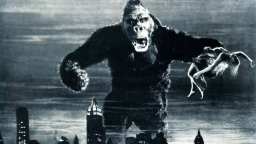
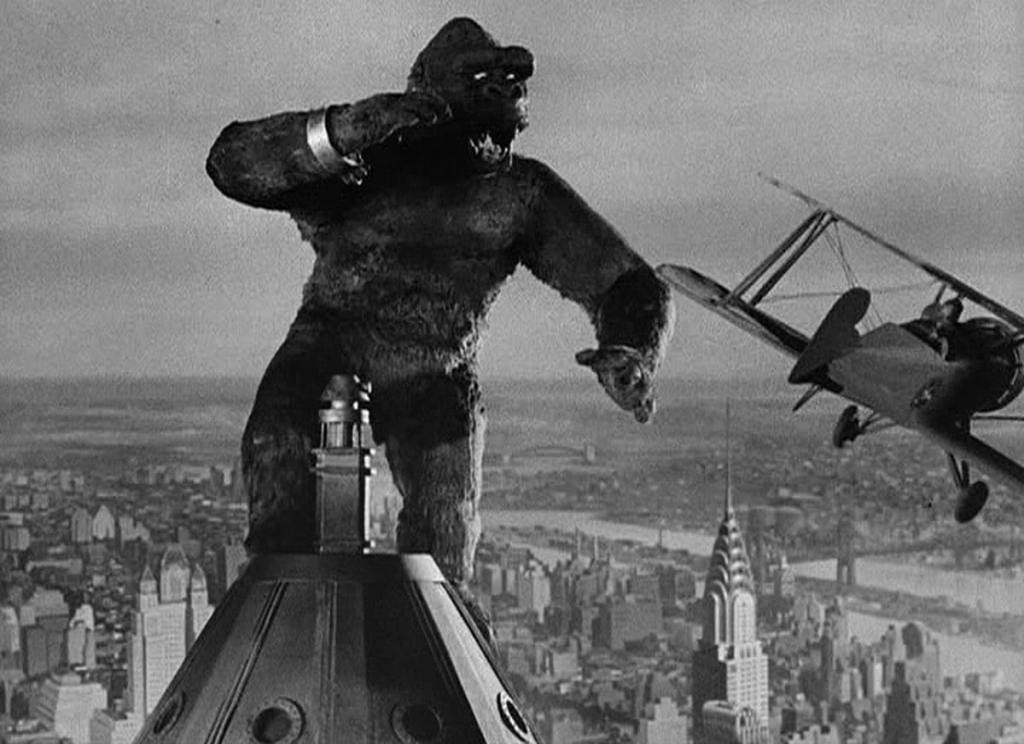
1933: This shot was made using stop motion with miniature models that were manipulated to create the illusion of a larger creature interacting with a smaller environment.
- minimal lighting and detail displayed on the scene.
- while Kong blends with its miniature background, it stands out when displayed alongside human casts
2005: Film was captured with a computer generated gorilla used against motion capture movements.
- much more detail in aspects such a the models, background and lighting.
- smoother movements
- Depicts a more dynamic image layout

2. Planet of the Apes 1968 & 2011
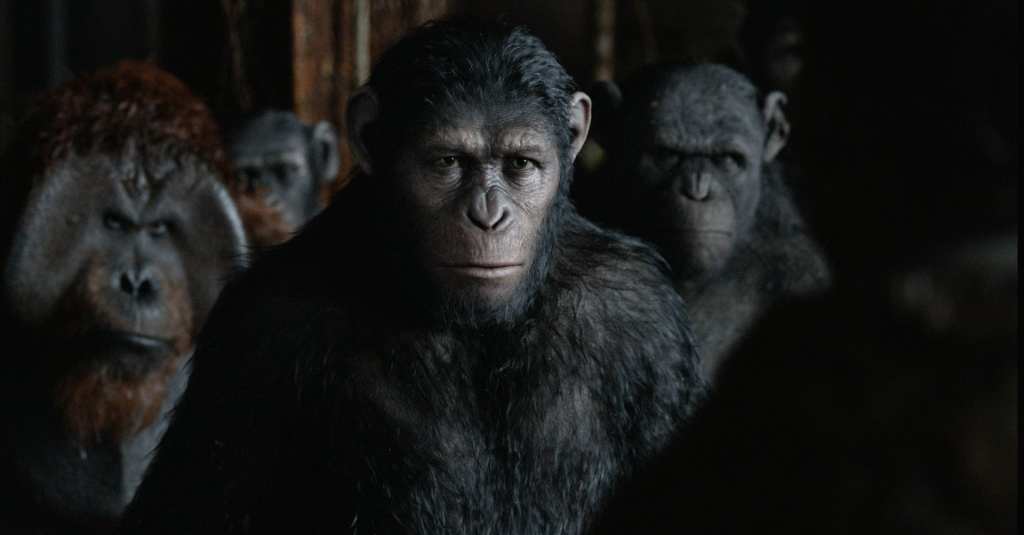
1968: This was captured with actors in modified ape costumes
- Fairly lacks in realism as the costumes create stiffness in mouth movements

2005:
First CGI sequences ever made
Vertigo (1958), by Alfred Hitchcock: spiral sequences were made by John Whitney using a World war 2 aircraft computer, “The M5 Gun Director”, placed on a rotating platform with a pendulum. This was refined by graphic designer Saul Bass to create the final footage. This was the first film to use computer generated imagery.
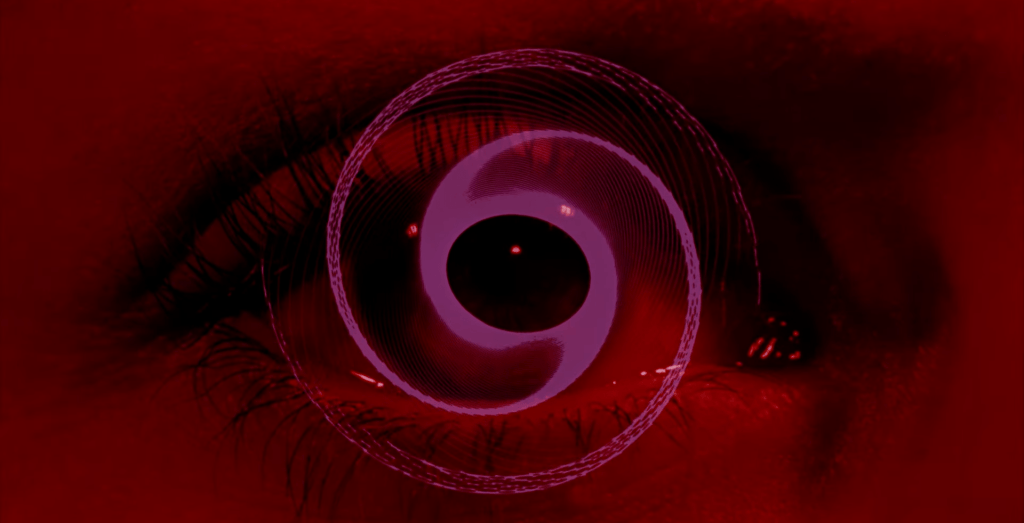
The Use of Fractal Patterns to Simulate Natural Irregularity
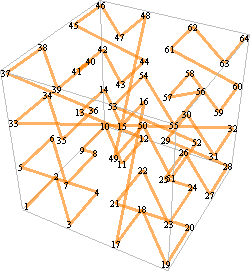
The development of fractal development, (a term coined by Marcus du Sautoy in the 2011 documentary “The code”) was a key event that affected the growth of 3D computer animation. It aided the simulation of realistic 3D images and environments. Pixar is one of the production companies to use fractals in the making of their films, applying the to the making of trees, clouds, rocks and forests; as said by Sautoy in 2011.
1. Alvy Ray Smith:
An award winning computer graphics pioneer well known as the co-founder of Pixar and co-founder of Lucasfilm’s computer division. Smith developed the HSV colour space and the RenderMan rendering software used for the production of Toy story. Furthermore, he contributed to the invention of the computer animation production system (CAPS), a scanning software that allowed for an easier transfer of hand drawn images to computers for animation.
Reference list
- CHM. (2022). Alvy Ray Smith. [online] Available at: https://computerhistory.org/profile/alvy-ray-smith/ [Accessed 12 Nov. 2025].
- Levy, S. (2021). Meet the Little-Known Genius Who Helped Make Pixar Possible. [online] Wired. Available at: https://www.wired.com/story/pixar-animation-alvy-ray-smith-pixel/ [Accessed 13 Nov. 2025].
2. John Lasseter is a film producer, director, writer and animator best known as a cofounder of Pixar studios and director of its ground breaking animation, Toy story (1995). A film widely celebrated for its contribution to the development of computer generated imagery as its production made use of this technique along with hand drawn animation. He continued to push the boundaries of CGI by creating other films such as A Bug’s Life (1998), Finding Nemo(2003), Cars 1 (2006), and Cars 2 (20011) In his career, Lasseter has worked under the wing of companies such as Walt Disney, Pixar, Disney toon studios and Sky Dance Animation.

3. Loren Carpenter is a computer graphics scientist and researcher who co founded Pixar, an animation company responsible for the growth of computer generated animation in cinema. He was one of the authors of the RenderMan software which was used in the making of many Pixar films. Using fractal patterns, a technique he developed, Carpenter created a simulation of realistic mountainous landscapes displayed in the “genesis effect” scene in Star Trek II: The Wrath of Khan (1982). He cofounded Cinematrix, a computer graphics research company.

4. Ed Catmull is a computer scientist and animator who contributed to the development of the RenderMan software. During his career he worked in well renowned companies such as Lucasfilm’s, Pixar and Walt Disney while being a lead in the making of iconic films such as The Incredibles, Toy story and Finding Nemo.

Assignment 5 – Manovich, L. (2001) The Language of New Media (pp.3- pp.8). Cambridge, Mass. Mit Press.
With this segment of his essay, Lev Manovich compares animation with cinema, along with how well their growth has affected each other in modern film production. As cinema continued to grow, many of its factors used for its creation were replaced with computer animation. While animation is referred to as a technique that does not focus on realism, cinema is described as the opposite; one that strives for full believability from the audience and itself. This was attempted in the early 20th century with the use of traditional visual effects techniques such as matte painting, model making, rear projection, mirror and glass shots.
Lev Manovich uses this section to discuss factors that come with the growth of visual and special effects in filmmaking, as he addresses the replacement of traditional visual production technology with digital filmmaking; an approach created as a result of the combination of cinema and animation. Manovich further expands on the idea of modern filmmaking technology by explaining 5 of its basic principles. He addresses digital filmmaking as a technique that allows the generation of life like imagery, often dismissing the need for physical filming. This is with the help of 3D animation; computer generated imagery.
Once such imagery is developed it tends to lose its realism. Regardless, the computer still sees this as pixelated material, thus sharing this attribute with live action images. The third principle mentioned includes the fact that live action film footage is no longer regarded as final footage but, rather, as raw footage. This is because further edits such as “composition, animating and morphing” are yet to be applied to it. Therefore modern films somewhat contain the plasticity of earlier films that used traditional special effects techniques such as matte painting. Manovich further emphasises this point by referencing the falling feather sequence in “Forest Gump”, shot with a piece of string attached to a feather.
The fourth principle addresses the fading line between film editing and special effects as modern film production requires the modification of images and arrangement of the sequence of the images. Therefore this becomes a single role.
With the fifth principle, Manovich describes the technique of digital filmmaking as one that involves the use of live action material along with other elements such as “painting, image processing, compositing, 2D and 3D animation” (pp. 5).
To conclude this segment, Manovich challenges the idea of the equivalence of computerization with automation. He describes the painstaking process required for computer animation, involving thousands of hand drawn frames to achieve a single sequence. The same can be applied to the modification of a scene’s colour theme in response to its mood, while achieved using computer programs.
WEEK 7
The Uncanny Valley
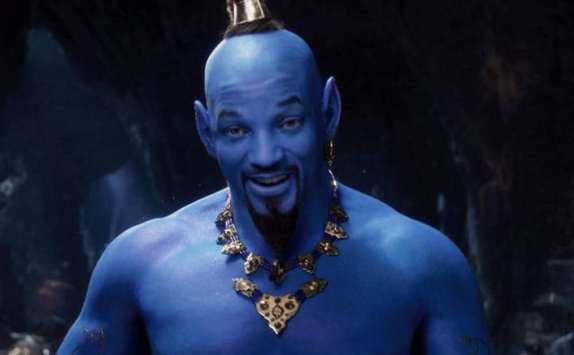
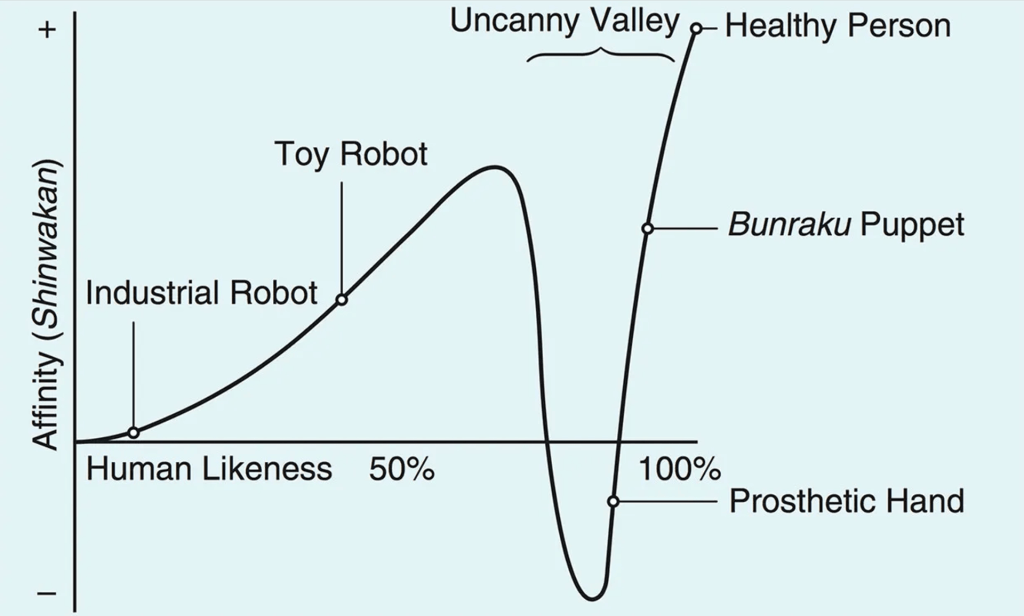
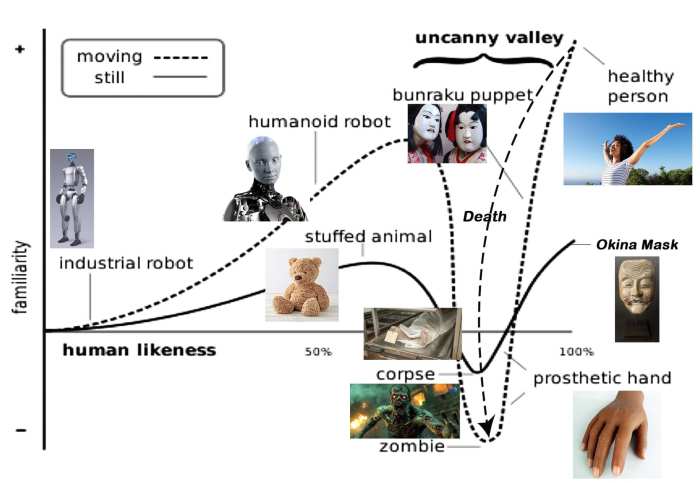
The uncanny valley is a theory in aesthetics that applies to humanoid objects such as robots that may evokes a sense of eeriness and repulsion as a result of its proximity to human likeness while have distinct differences and imperfections.
Identifying the Uncanny Valley
1.
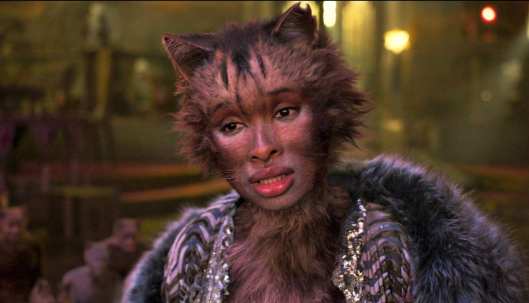
Humanoid face doesn’t blend with the feline features such as the fur, ears and stripes.
2.

The mixture of humanoid features with the robotic body contributes to the unsettling feeling that comes with looking at this image.
3.
The Uncanny Valley graph, by Masahiro Mori
Assignment 6 – Lay, S. (2015) Uncanny valley: why we find human-like robots and dolls so creepy. Available at: Uncanny valley: why we find human-like robots and dolls so creepy | Stephanie Lay | The Guardian (Accessed: 20 November 2025).
Stephanie Lay is a researcher who specialises in the study of the psychology behind the uncanny valley. Through the article, she explains this concept, instances where it can be felt or observed, and the long-term debate researchers have against its existence. The uncanny valley, a term coined in 1970 by Japanese roboticist Masahiro Mori, is referred to as an unnerving “emotional response” received by humans upon encountering a slightly lifelike yet artificial entity. While robots are believed to be more appealing when displaying human like parts, as their familiarity increases to a point where its image displays signs of life while undoubtedly experiencing a void of it, a sense of eeriness is developed by humans. This is said to be observed in androids, dolls, advanced human like robots and 3D characters.
In 2005, Takashi Minato and Karl MacDorman translated Masahiro Mori’s book, “the uncanny valley” (1970). This allowed for the development of questions from researchers against the authenticity of this theory, along with its general existence. Although there hasn’t been a true conclusion of its nature, Maya Mathur and David Reichling released compelling research proving its reality. This experiment proved the “rise-dip-rise” in emotion experienced upon viewing human like entities such as robots.
Stephanie Lay then proceeds to discuss where the uncanny valley is experienced, saying it may occur with the shifting of the appearance of artificial beings from a “non-human to human”. Christine Looser and Thalia Wheatley are said to have further emphasised this point with their research. By using mannequins morphing into humanlike faces, they observed the existence of the valley between their artificial faces and the point where they began to appear alive. Another example of an instance where the valley may be experienced is at the point where humans believe in the existence of human emotions in such lifelike entities. Daniel Wegner is said to have furthered this theory as he found that humans may feel eeriness towards robots due to the suspicion of them experiencing emotion. The last area where the valley may occur is when a robot or lifelike entity displays mismatching characteristics. Research carried out has proven that questionable features, such as eyes showing negative emotion paired with a happy face, can illicit an unpleasant emotion in the minds of humans.
Stephanie Lay then closes the article by addressing the possible dilution of the uncanny valley as robots grow to become indistinguishable from humans. Along with acknowledging a somewhat opposing theory suggesting that humans would still be able to differentiate between human and artificial life.
WEEK 9
The (Disney) Principles of Animation
1. Squash and Stretch: one of the most fundamental principles of animation. Adds weight, flexibility and volume to objects.

2. Anticipation: prepares the audience for an action, for example, a crouch before a jump or a foot pulling back for a kick.
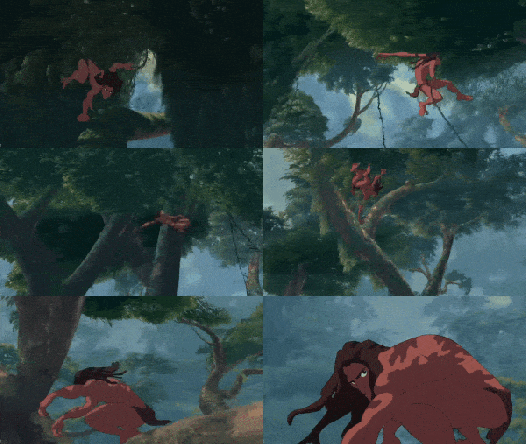
3. Staging: display of characters and objects in a setting with the aim of communicating a clear idea to the audience.
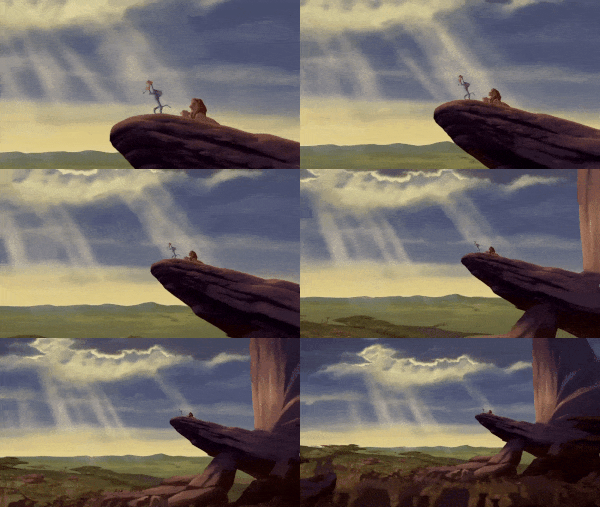
4. Straight Ahead Action & Pose to Pose: includes 2 techniques for animation. Straight ahead action involves animating a movement sequence frame by frame, whereas pose to pose involves drawing key frames and later filling out the gaps.
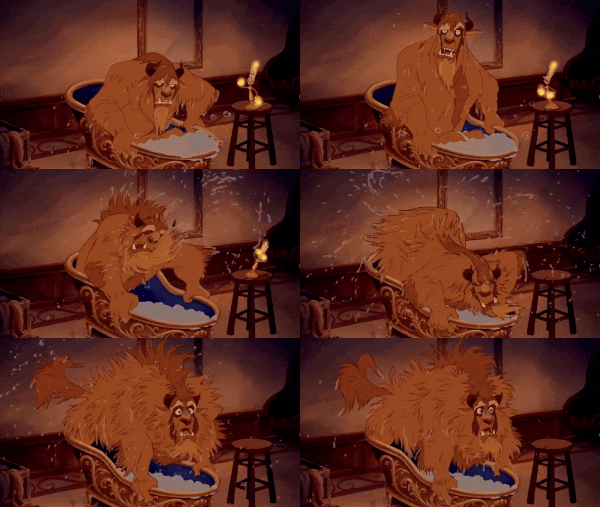 <
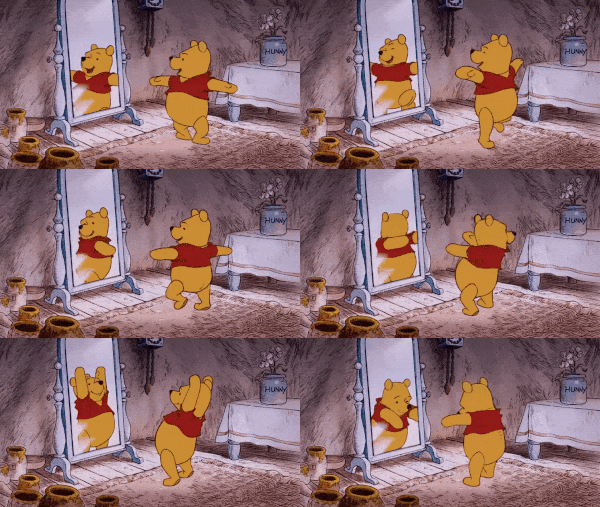
5. Follow Through & Overlapping Action: refers to ways a character or object moves after a main motion is carried out. For example, a cape slowly stopping once being blown by wind

6. Slow In & Slow Out: suggest object naturally speed up and slow down when moving.

7. Arcs: involves the movement of objects in curves, this is done to make the movement more natural and dynamic.

8. Secondary Action: the introduction of an additional action that supports a main movement. Such as swinging arms and hips to complement a walking cycle.

9. Timing: involves the use of frame numbers to control the speed of a sequence. Higher number of frames slows down a movement whereas smaller number increases the speed.

10. Exaggeration: the enhancement of emotions or expressions to make an animation more entertaining to the audience.

11. Solid Drawing: involves the believability of an object through it display. It takes account of object weight and dimensions

12. Appeal: refers to the likability of a character depending on its design, movement and general display.

Task: Naming and Comparing Disney Productions
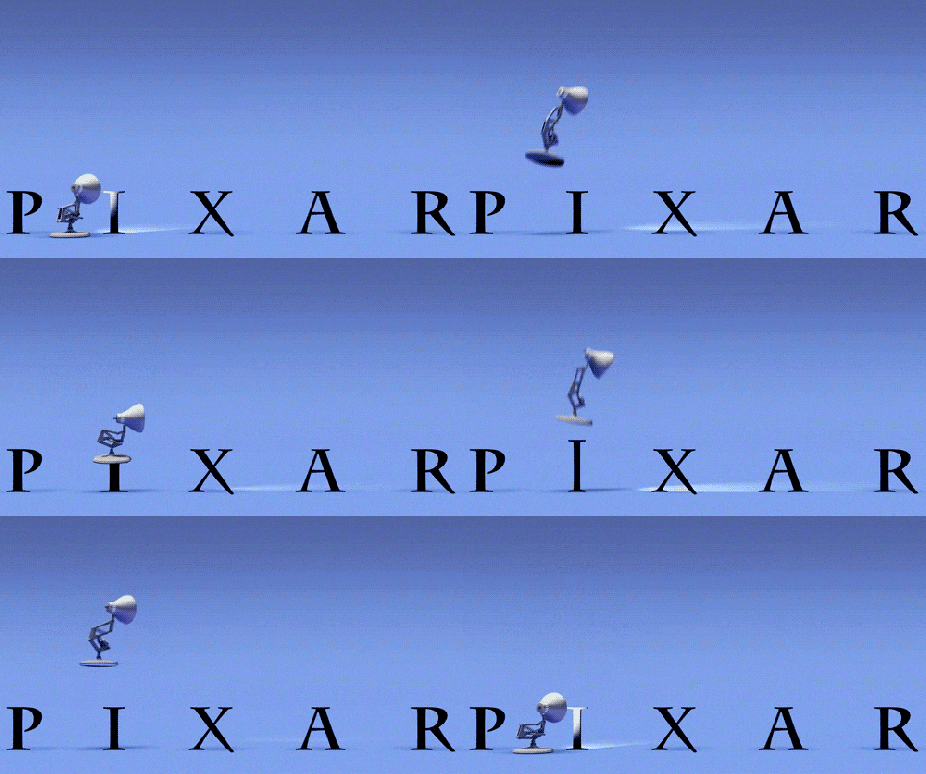
1. Pixar intro animation sequence, (1986)
- Sequence has a calming scenery with the blue colour, emphasising child like innocence
- Lamp character seems fairly clumsy, curious or reckless from the way the animation portrays it.
- The principles of squash and stretch, and anticipation.
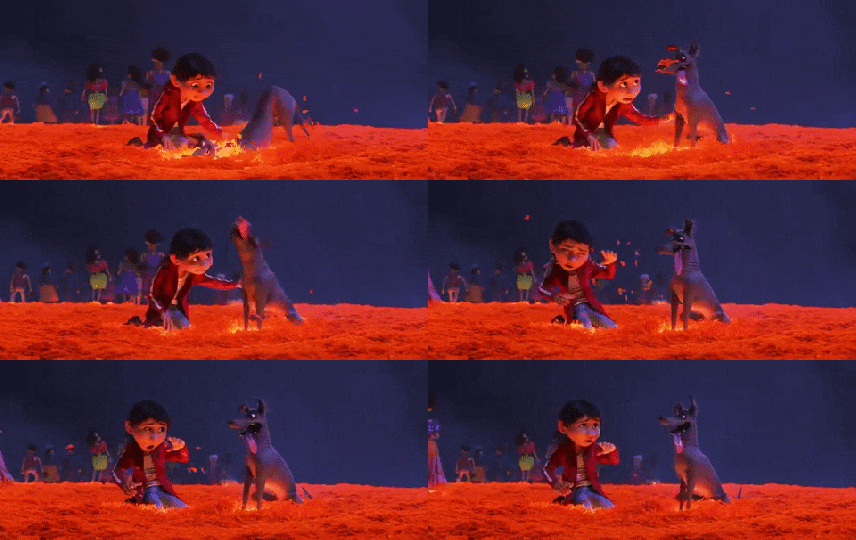
Coco, (2017)
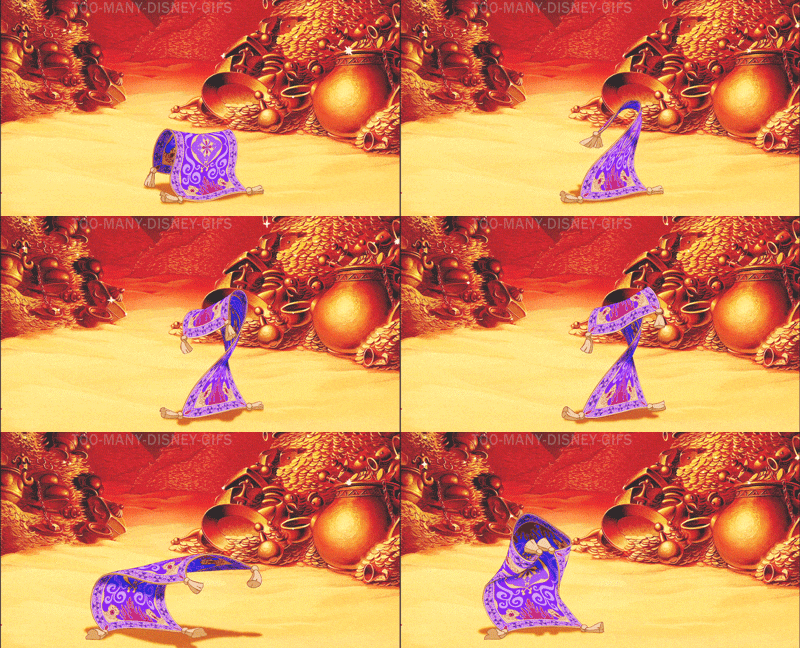
2. Aladdin, (1992)
- Very bright colouring that engages the viewer.
- displays the principles of appeal, and squash and stretch
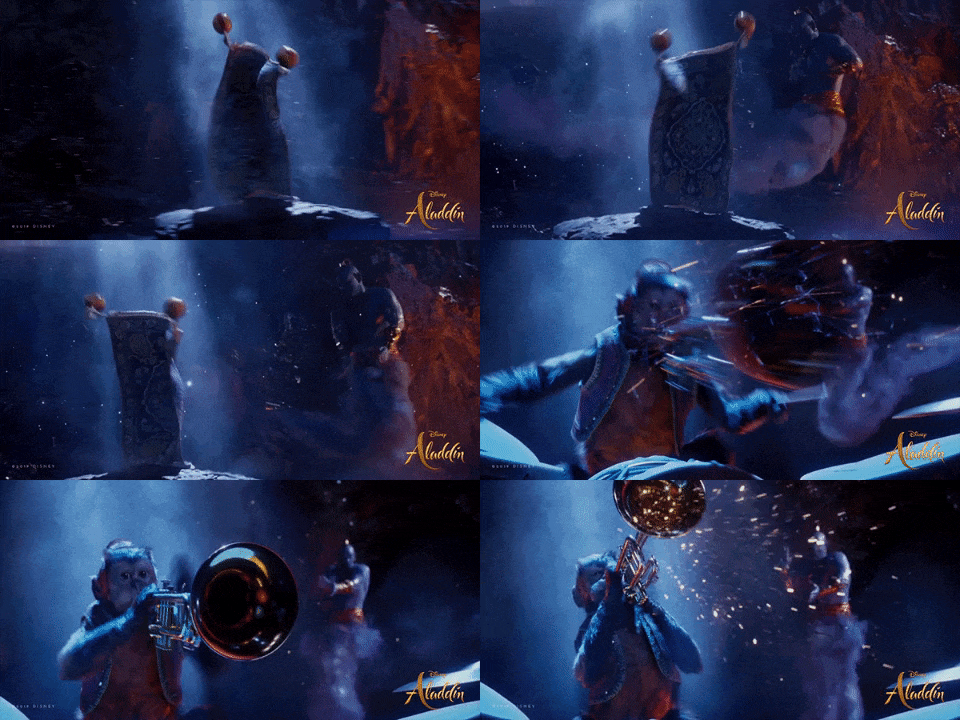
Aladdin, (2019)
- fast paced movements with realistic lighting and texture
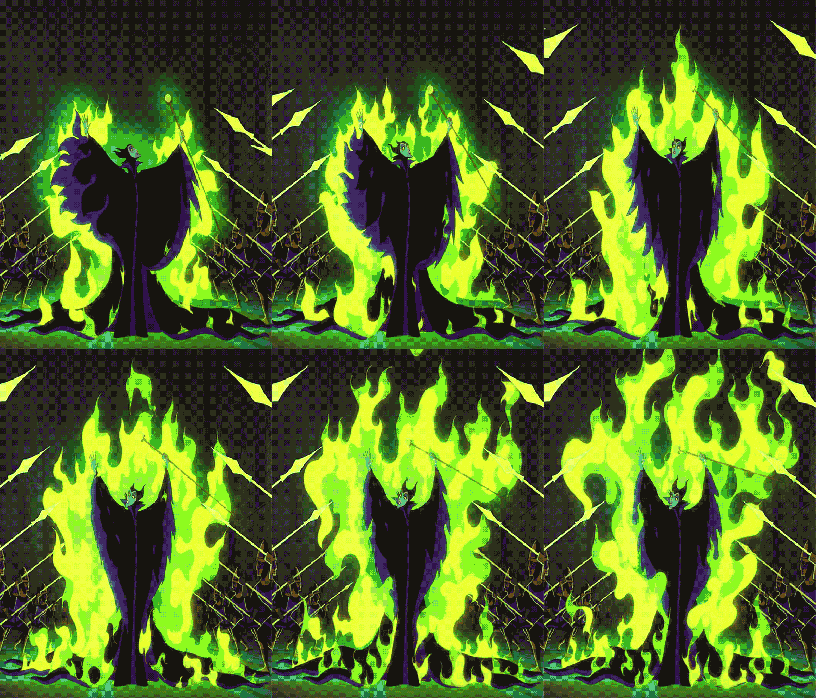
3. Sleeping Beauty, (1959)
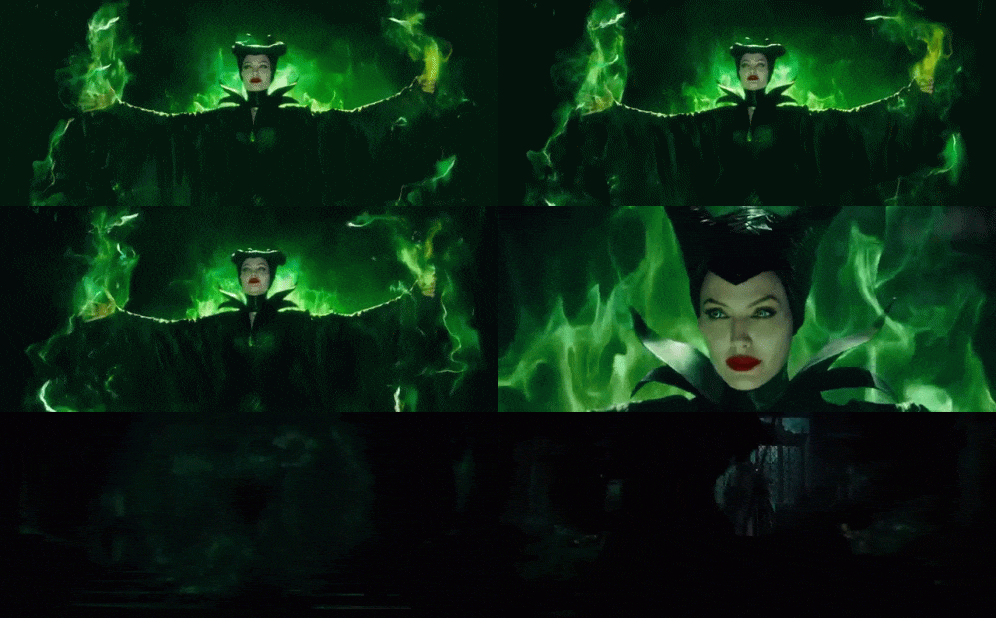
Maleficent, (2019)
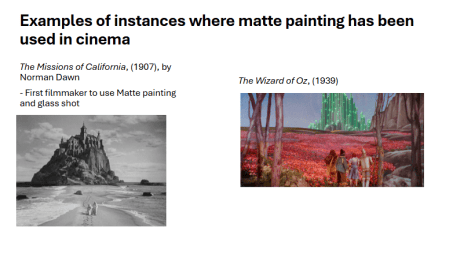
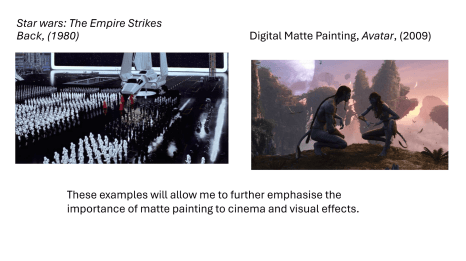
Essay Task: How have special effects developments, such as matte painting, impacted storytelling in film?
- Research and explain the development of a specific special effects technique, such as matte painting, and discuss how it has influenced storytelling in film.
- Trace the evolution of this technique, from its early use in classic films to its modern applications in digital cinema.
- Analyse how matte painting has been used to enhance narrative settings, create environments, and shape the audience’s emotional experience. Use specific visual examples from films to illustrate the technique’s impact on storytelling.
Essay Preparation: Gathering Resources in Preparation for Essay Task
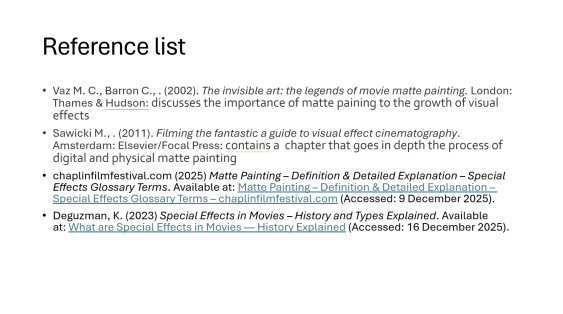
- Vaz M. C., Barron C., . (2002). The invisible art: the legends of movie matte painting. London: Thames & Hudson.
- Sawicki M., . (2011). Filming the fantastic a guide to visual effect cinematography. Amsterdam: Elsevier/Focal Press.
- chaplinfilmfestival.com (2025) Matte Painting – Definition & Detailed Explanation – Special Effects Glossary Terms. Available at: Matte Painting – Definition & Detailed Explanation – Special Effects Glossary Terms – chaplinfilmfestival.com (Accessed: 9 December 2025).
- Deguzman, K. (2023) Special Effects in Movies – History and Types Explained. Available at: What are Special Effects in Movies — History & Types Explained (Accessed: 16 December 2025).
- Sørup’s, J. (2025). What Is Matte Painting In Film? Definition & Iconic Examples – FilmDaft. Available at: What Is Matte Painting In Film? Definition & Iconic Examples – FilmDaft (Accessed 28 Dec. 2025).
- Deguzman, K. (2023). How Matte Paintings in Movies Work. [online] StudioBinder. Available at: What is Matte Painting in Movies — Definition and Examples
Essay Pitch Presentation
WEEK 10
The Art of the Composite
A composite requires the layering and combination of multiple visual sources with the intention of creating a new scene or setting. This process requires blending each element onto each other to depict realism with the final result, aiding the direction of story telling.

