WEEK 1
Introduction to the Module
An outline of the module’s contents, objectives and structure. The aim of this module is to refine narration and storytelling techniques in photography.


Photography exercise
This task involved capturing a range of pictures using different assets to achieve lightings. These assets include
- black Styrofoam board: used to absorb ligh.t
- white Styrofoam board: used to reflect light.
- Light box: used indoors as the main source of natural light.



WEEK 2
Introduction to Photography
An introduction to the ways lighting is measured, controlled and applied to photography.
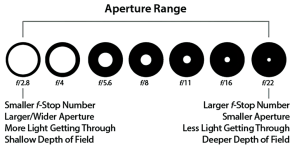
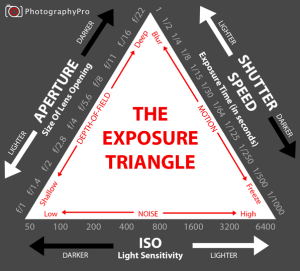
- Aperture: This is the open in the lens that controls the amount of light going through the camera. It is measured by the focal length of the camera, for example f/4.0.
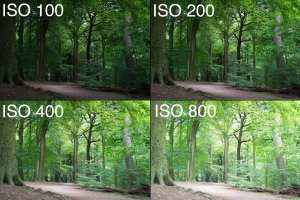
- ISO (international organisation for standardization): this indicates the cameras sensitivity to light.
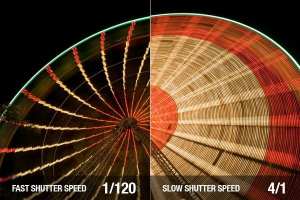
- Shutter speed: the camera shutter is a device that opens up and closes allowing light to pass through it affecting the quality of the final image captured. Therefore, the shutter speed is the duration at which the shutter remains open; a wide shutter speed will capture a blurred moving image referred to as motion blur, where as a low shutter speed will capture a still image.
- Exposure: refers to how bright or dark an image is. This is determined by 3 features, shutter speed, ISO and aperture.
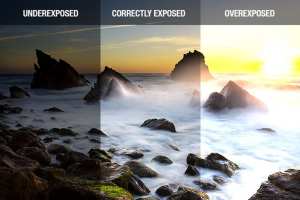
The setting of each affects how the final photograph will appear.
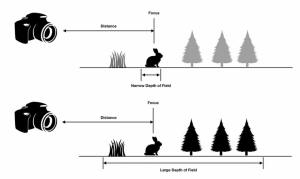
- Depth of field: this refers to the focused area of an image ranging between the points closest and farthest from the camera.
Task
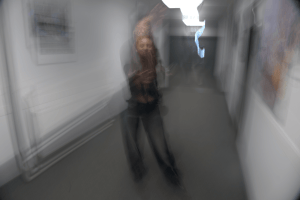
The aim of this task was to explore different shutter speeds and the images they create.
1/250 – Image appears more focused, as it captures less than a second of movement.
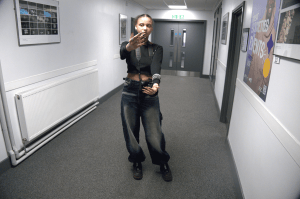
1/150
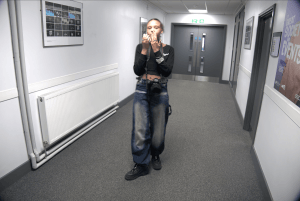
1/50 – image remains focused with slight blur on the edges and other parts with movements.
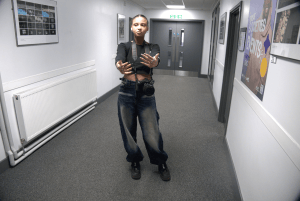
1/15 – the image continues to blur further as the shutter duration increases.
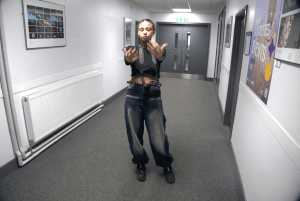
1/1 – lots of movement is displayed as a whole second of movement is captured.
WEEK 3
Types of Camera Lenses, Shots and Angles
Types of camera shots
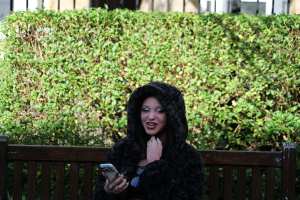
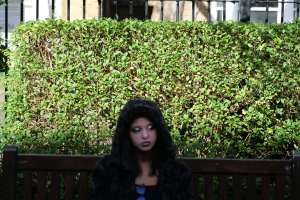
1. Extreme long shot: often used to make the model or character appear small or distant.
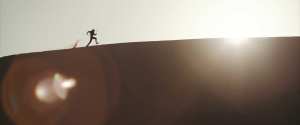
2. Long shot: often used to display the scenery surrounding the main subject in a way that is visually pleasing.
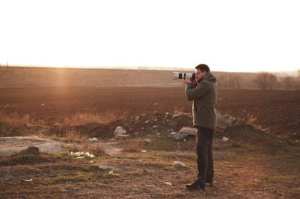
3. medium long/wide shot

4. Medium shot: a levelled shot often used to clearly display the features of the main subject and their surroundings.
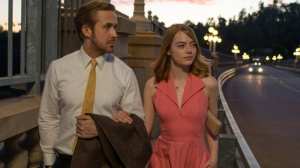
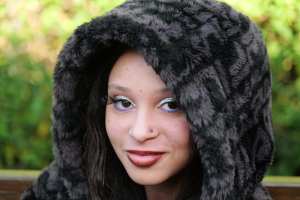
5. medium close up: often used to enhance the main subjects features and expression while providing context by depicting a segment of the scene around.

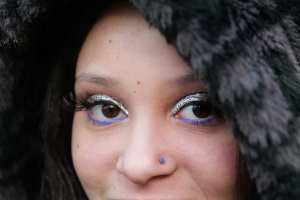
6. close up shot & 7 extreme close up: often used to show realisation or raise tension by having the audience “invade” the space of main subject.


Class exercise
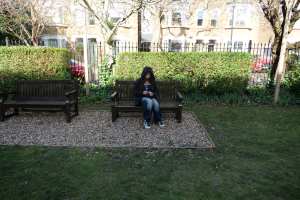
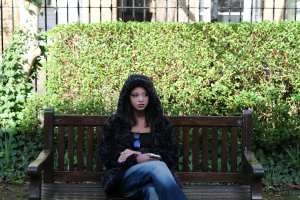
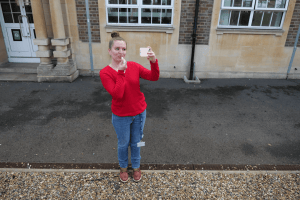
The aim of this exercise was to create a series of images displaying different approaches towards camera angles and shots.
WEEK 4
Introduction to Storyboarding and Assignment 1
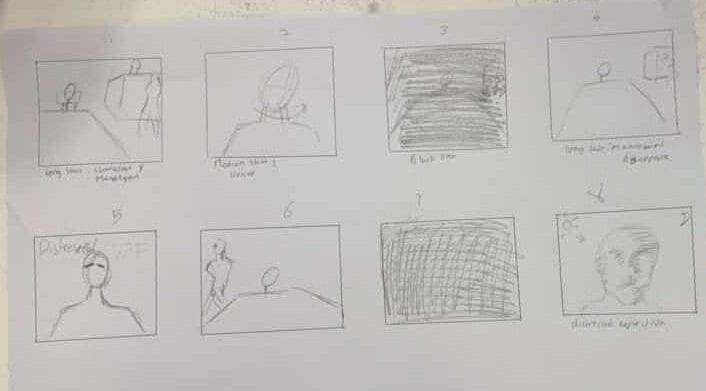
A storyboard is a series of image and shots that represent the direction at which a story will follow.
This assignment requires me to capture a range of photographs that communicate a specific idea or narrative. I intend to use storyboarding to plan out the course of image.
Class exercise
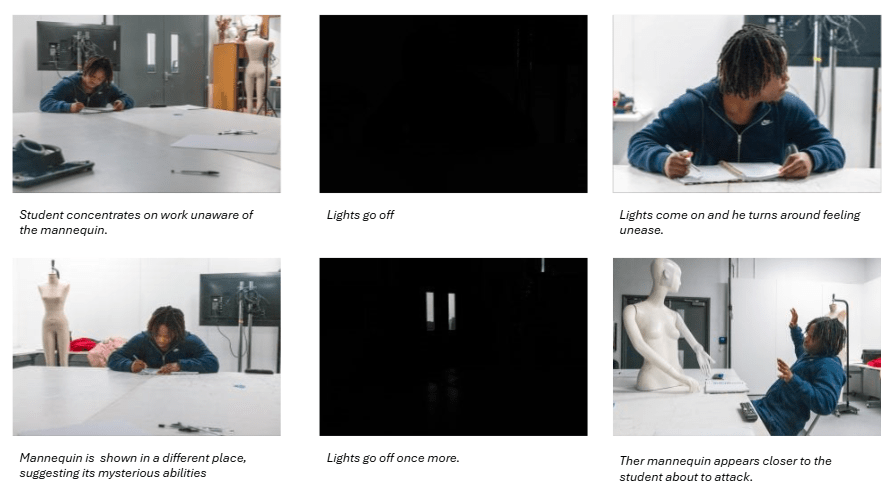
To capture a sequence of images showing a story. This was a group exercise.
The story behind this sequence is a mannequin that moves when the room blacks out. In the sequence, it is seen gradually getting close to the main model.
Final result
WEEK 5
Composition and Sequencing
Along with the lesson, I was a given the task to capture images that display sequencing and a consideration for the composition methods discussed.
Composition refers to the way in which elements of an image are laid out within frame.
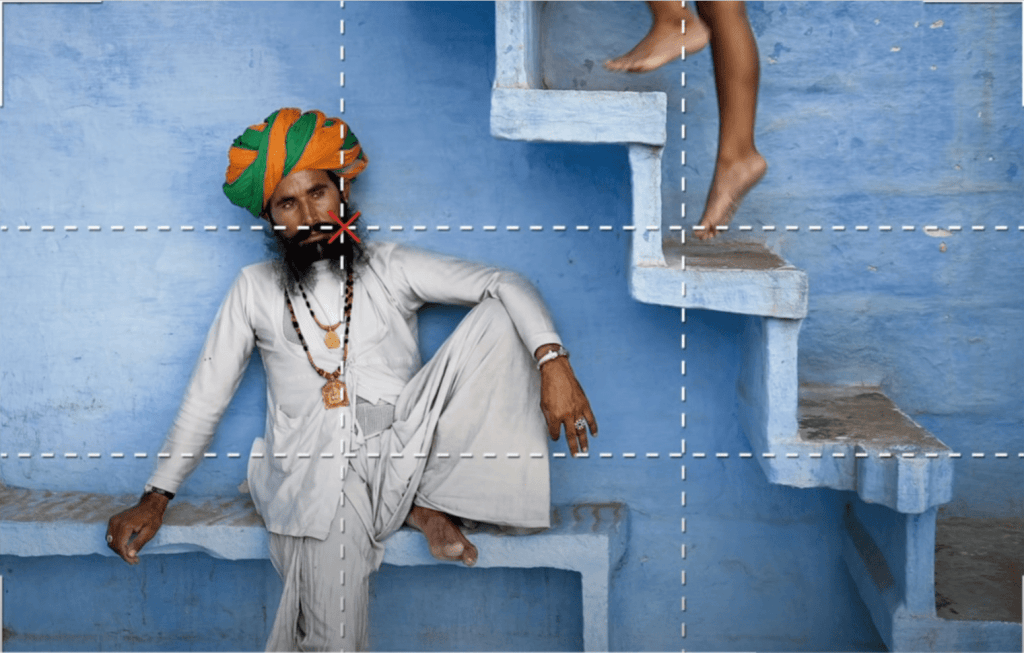
Composition techniques with examples from the web and class exercise
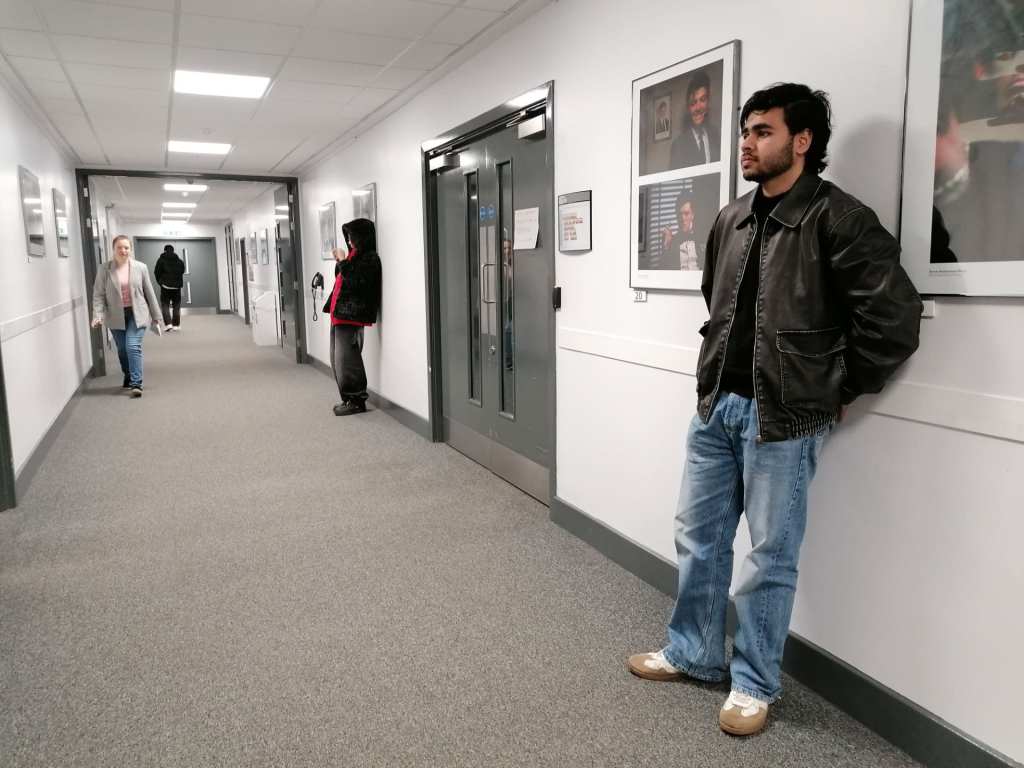
1. Rule of thirds: displays evenly distributed vertical and horizontal lines. The subjects displayed the may be aligned with the lines to create balance in the image.
Class exercise
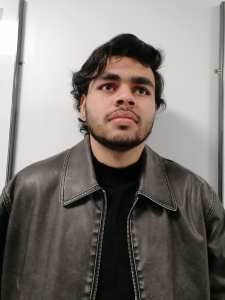
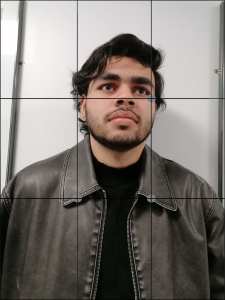
2. Fill the Frame: when the subjects occupies most of the frame.
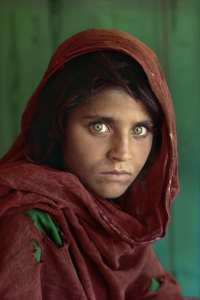
Class exercise
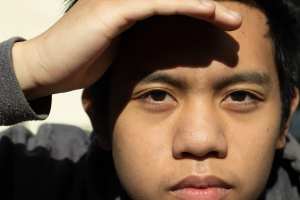
3. Centre Dominant eye: When the dominant eye is place in the centre of the image.
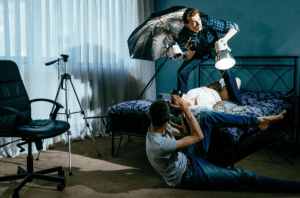
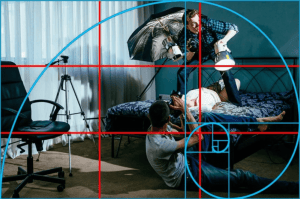
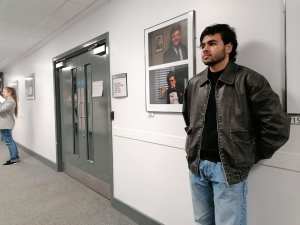
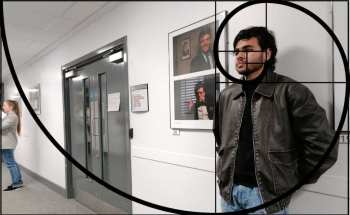
4. Golden Ratio: a principle used to capture aesthetically pleasing shots in photography; represented by a spiral.
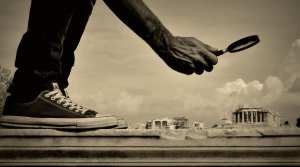
5. Forced perspective: a technique that plays on the human perception iof perspective by creating optical illusions. This can involve making an object appear smaller, larger, closer or father than it really is.
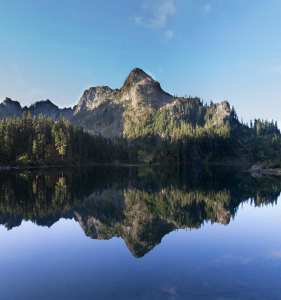
6. Symmetry:
Sequencing
A method of photography that involves capturing a series of images with the aim of communicating a topic or story.
Sequence class exercise
For this exercise I chose to focus on the theme of sunlight.
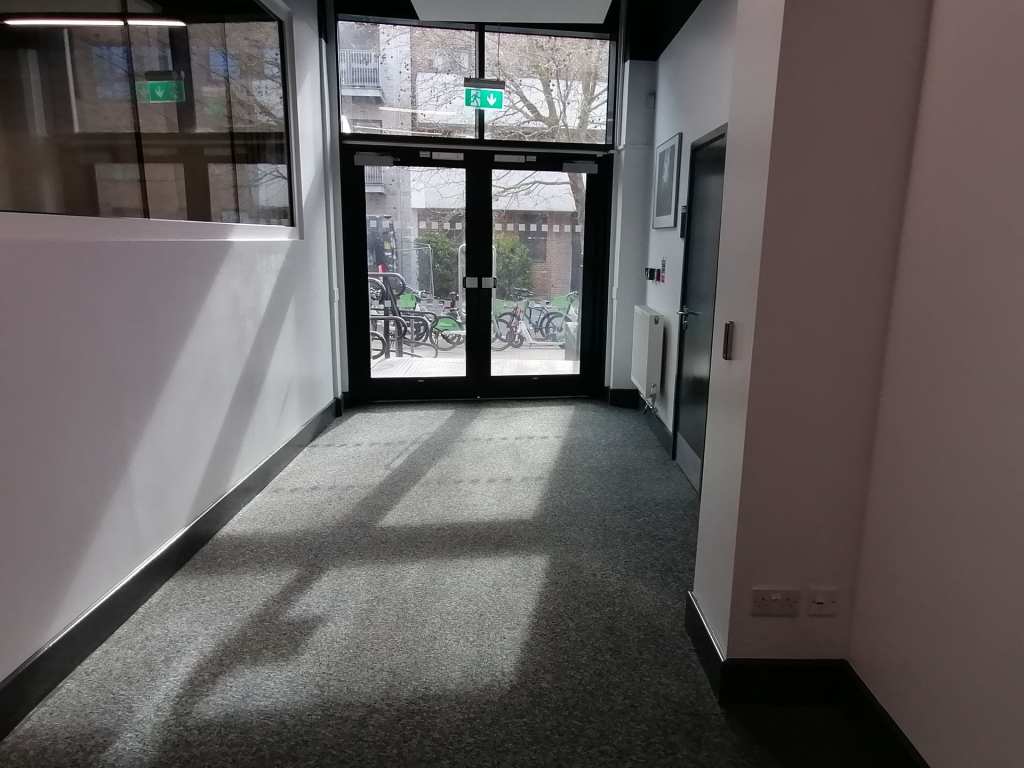
The sun as it reflects through the glass.
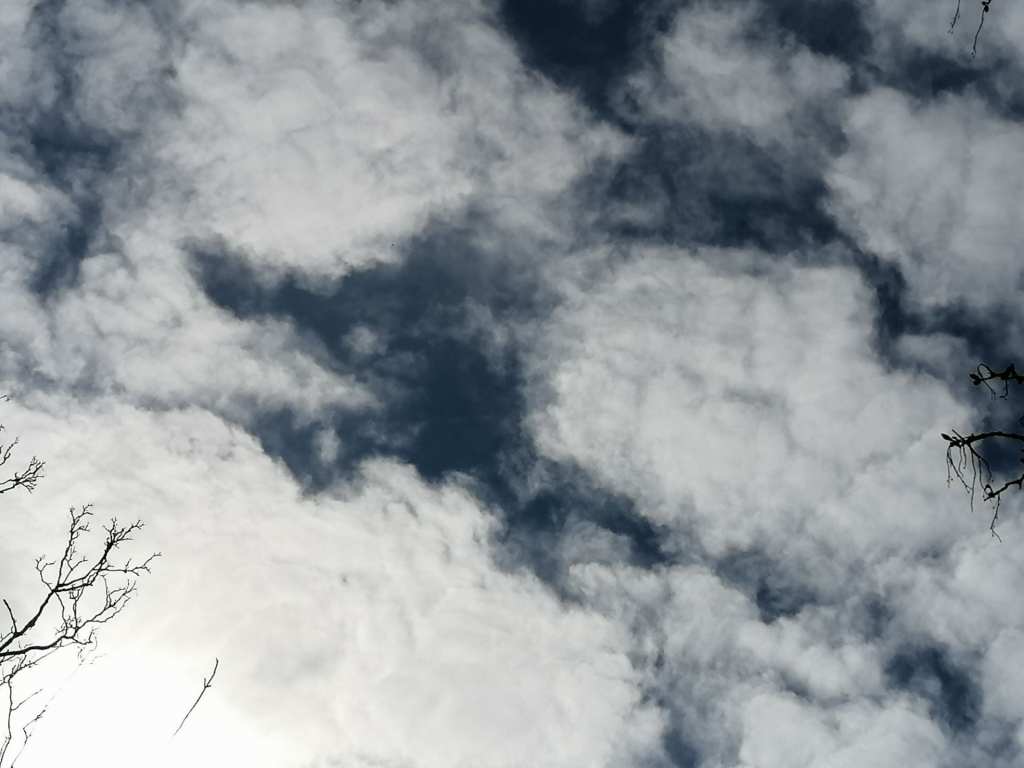
The sun in the sky .
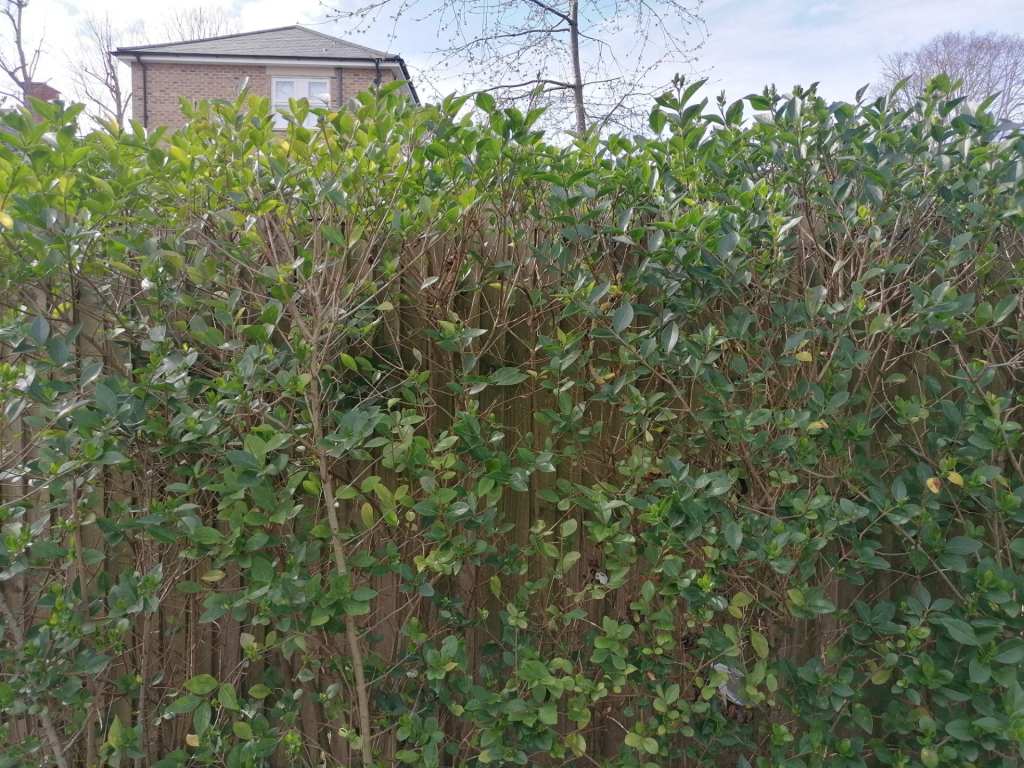
Life the sun provides.
Reflection
A factor that’s I chose to consider with the making of this sequence is spacing. I intended for the images to not be too closely related, to make it more interesting as it gives space for the viewer to challenge it’s meaning. On the other hand I feel that I was able to evenly represent the theme with each image; sunlight and the life it gives.
Assignment 1- Drafting Plans & Proposals
Draft proposal 1 & storyboard
In response to the assignment brief I plan to photograph a series of images relating an idea rather than a linear story. My main focus is to represent the idea of a pursuit for freedom particularly through community, regardless of society’s imposingly negative factors, particularly through a community. I chose to observe a day in the University of Roehampton skating society. Arguably, wheel based sports can be considered as some of the most significant symbols of youthful empowerment, I intend to explore that with this project. I chose this as the main muse for this project because I believe that I will be able to capture a range of interesting images displaying dynamic compositions that align with all that I’ve learnt in the module so far. Additionally, The images may include a range of scenes or actions relating to the main topic: image sequences of skating tricks, or other actions captured with motion blur.
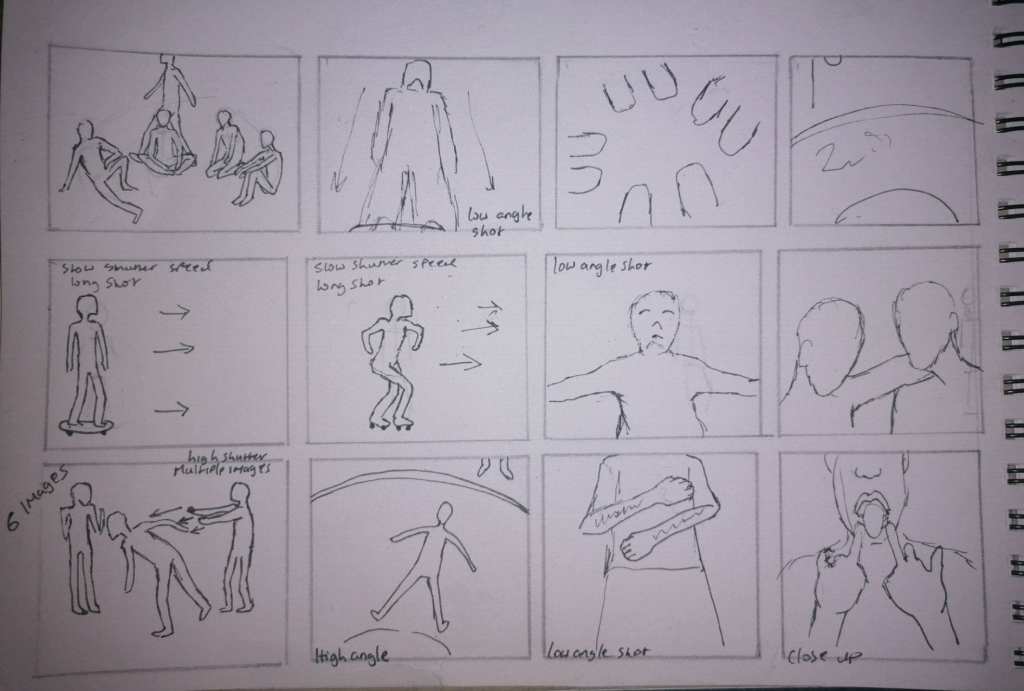
Risks, challenges
- Participants could be harmed by stunts
- Equipment could be damaged by stunts
- Members and pedestrians may be unwilling to participate
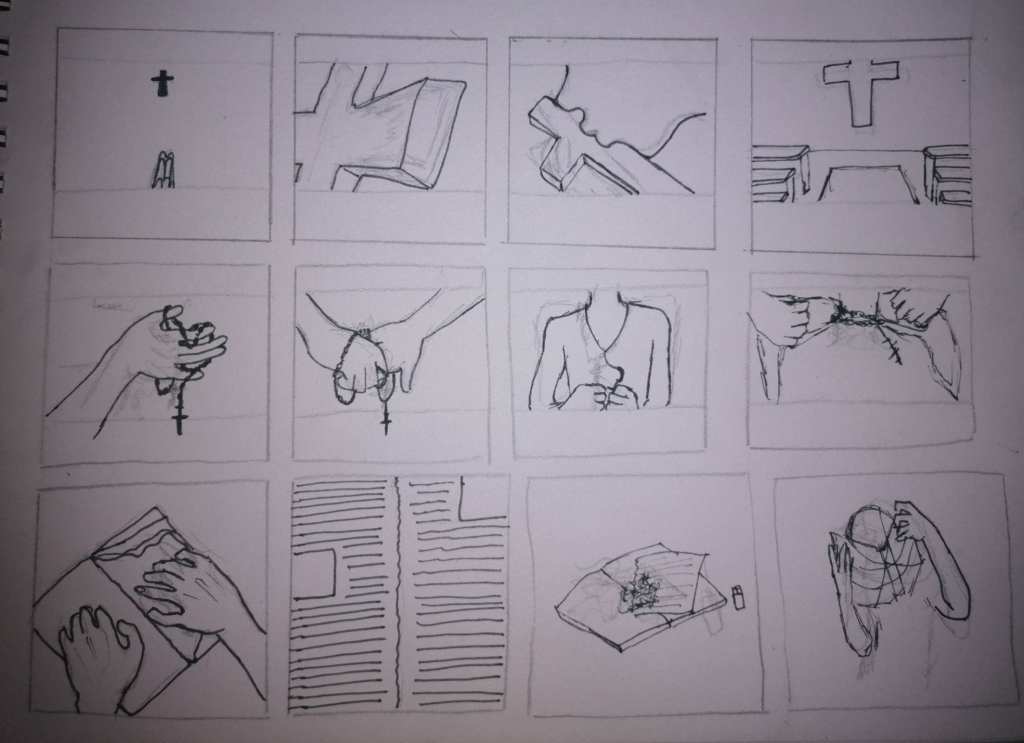
Draft proposal 2 & storyboard
For this project I intend to focus on the interpretations of symbols within the Christian religion. This will will mainly be centred around 4 notable features of Christianity; the crucifix, rosary, Bible and church. I intend to explore the ways in which these symbols have been continuously translated and reimagined.
Final Proposal
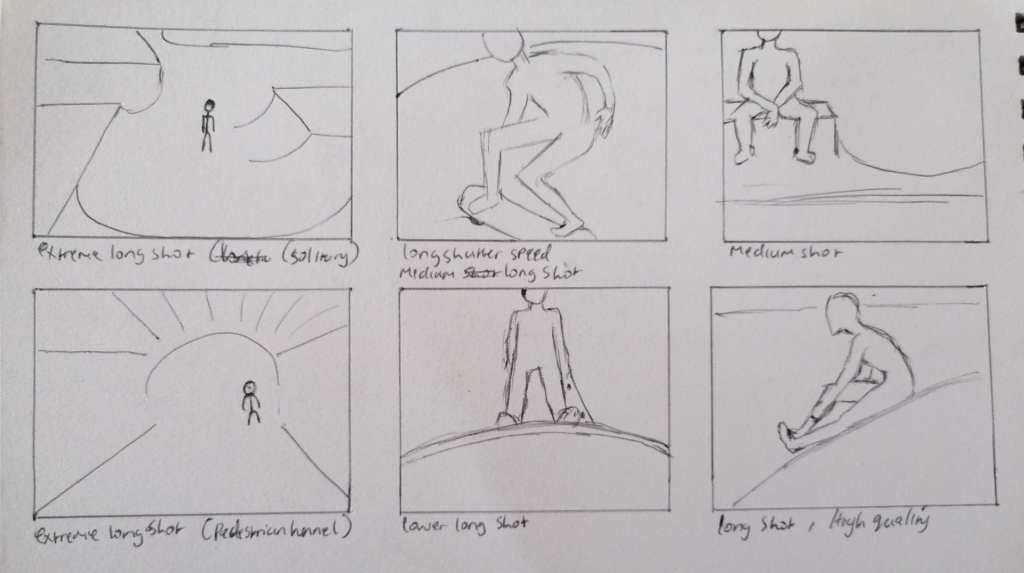
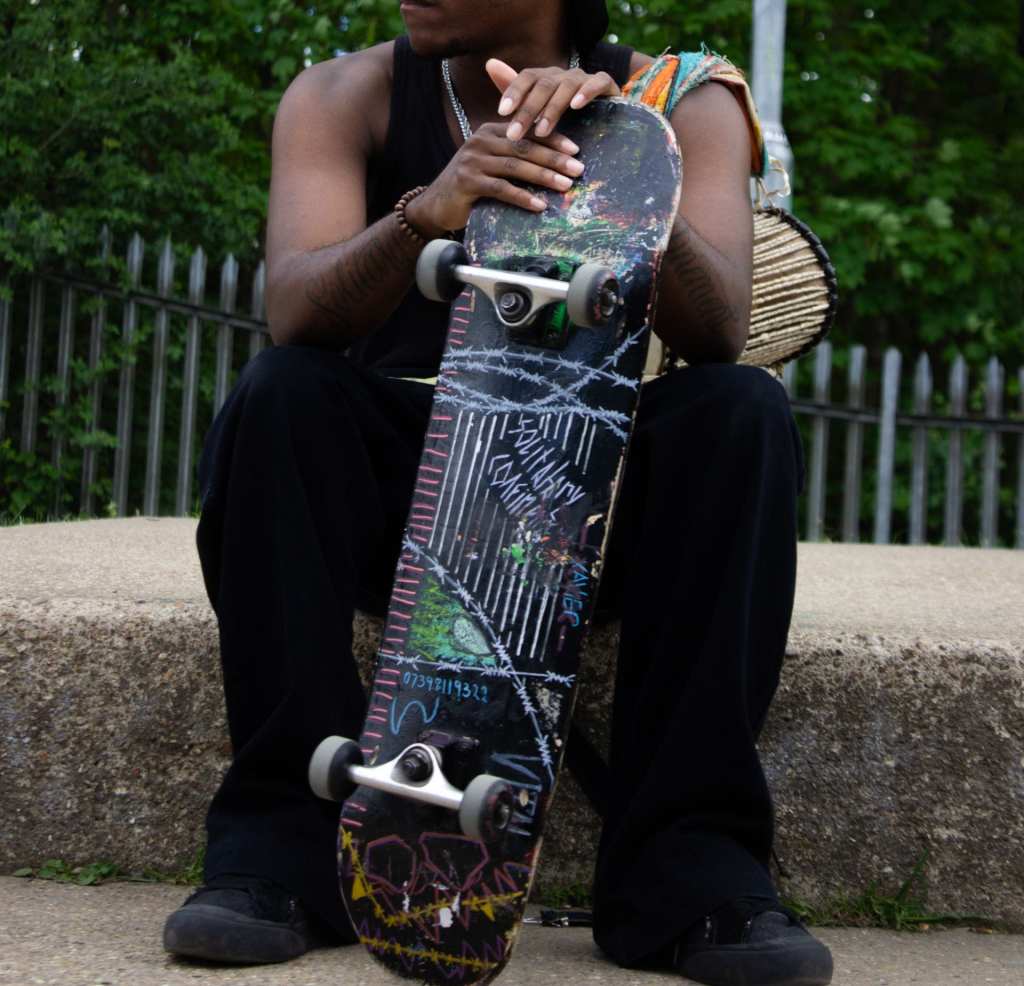
In response to the assignment brief I plan to photograph a series of images relating an idea rather than a linear story. My main focus is to represent the pursuit of freedom and content through solitude. The scenes I plan to capture will solely have my main subject doing what they most enjoy. I believe that having a passion can positively replace the feeling of loneliness that comes with having no companions. I chose this as the main muse for this project because I believe that I will be able to capture interesting images displaying dynamic compositions that align with all that I’ve learnt in the module so far. I hope to experiment with composition techniques, lighting, aperture and motion blur.
Project Storyboard
Test Exercise
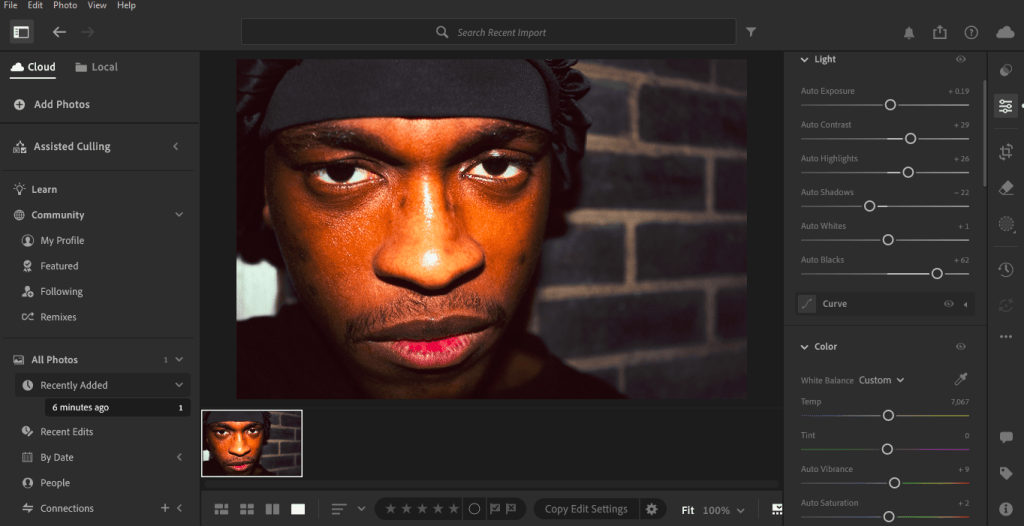
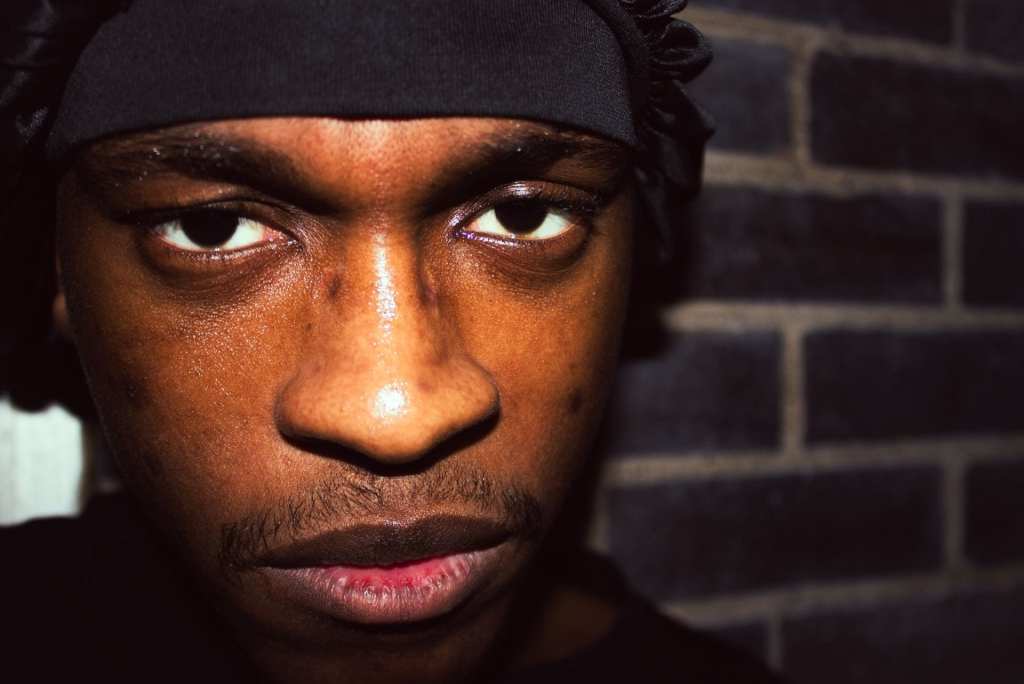
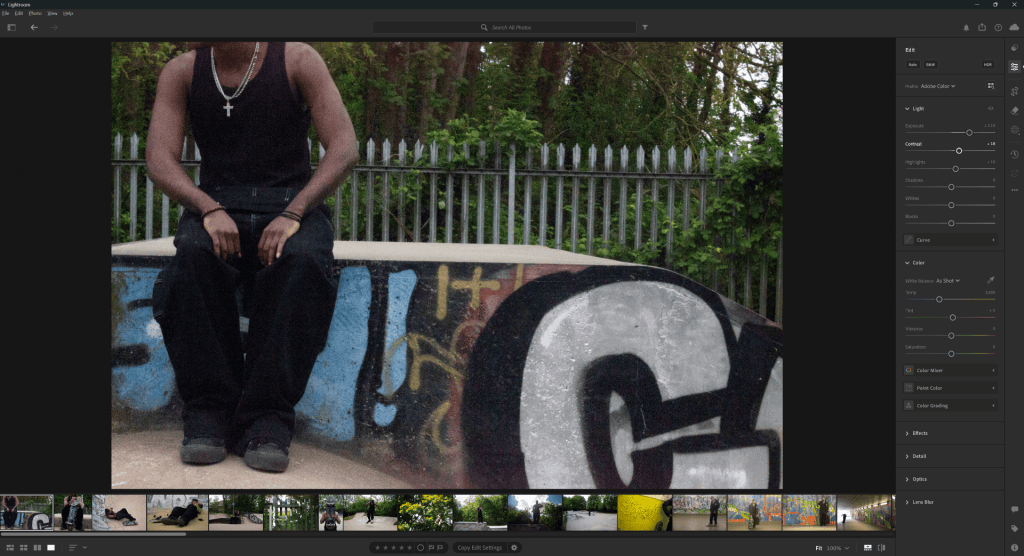
In preparation for the final assignment, I’ve captured some images using a Canon camera and edited them using adobe light room. I used this task as an opportunity to more familiarise myself with a digital camera and editing with light room.
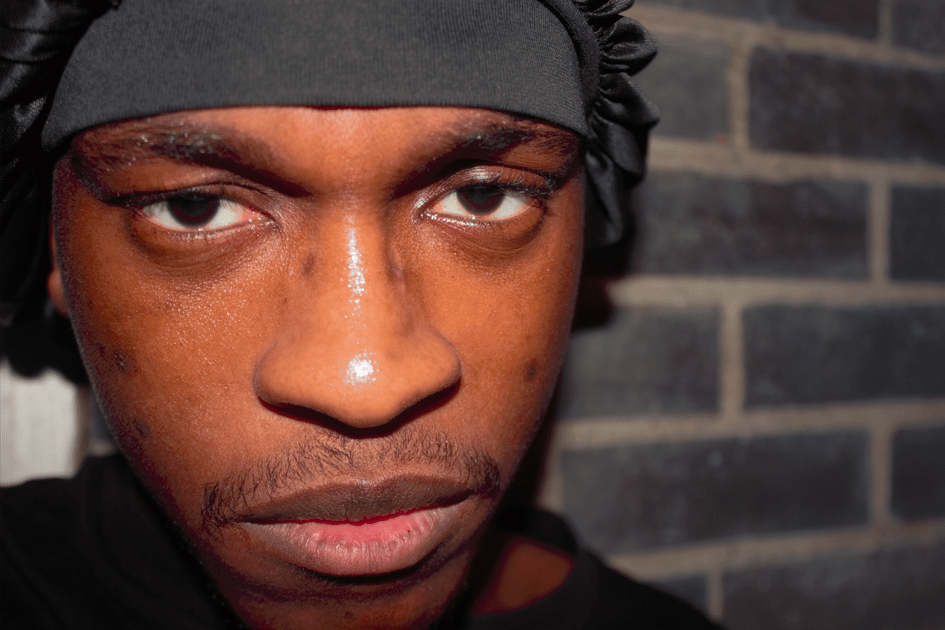
For the editing process, I slightly increased settings such as the contrast and exposure to better the image quality. Additionally, the colour warmth, exposure and saturation were adjusted to make the image appear more stylised.
WEEK 6
Photo essays & Sequencing
The aim of this session was to further study the art of sequencing in photography.
Class exercise
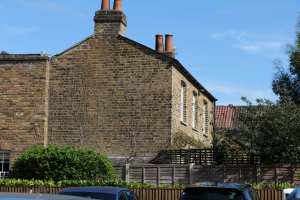
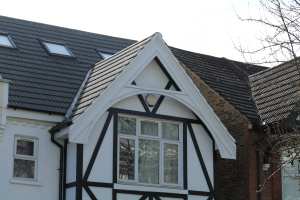
To capture a selection of images with the aim of communicating an idea or story. This task allowed me to focus on the visual aspects of this technique, by taking a range of shots with similar elements.
For this exercise I chose to capture shots with elements displayed in threes.
Research task
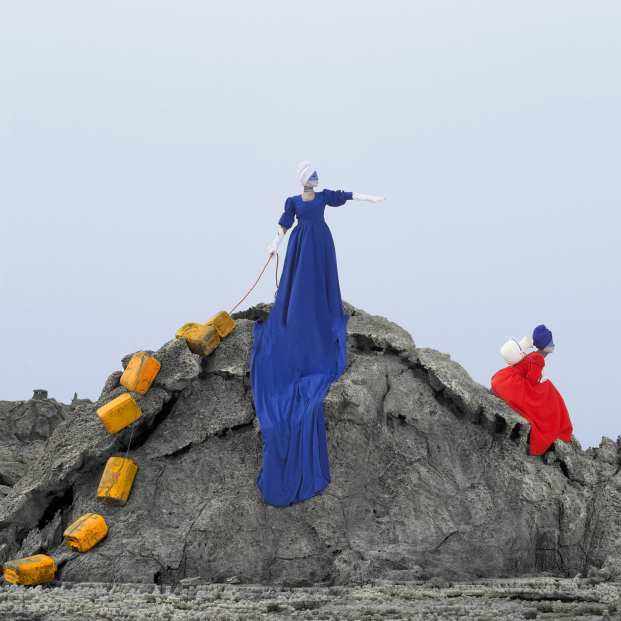
Aïda Muluneh is an Ethiopian photographer known for her art which explores social, political and environmental issues through an afro futuristic composition.
(Encyclopedia Britannica. (2024). Aida Muluneh | Biography, Art, Photography, Water Life, & Facts | Available at: Aida Muluneh | Biography, Art, Photography, Water Life, & Facts | Britannica)
1. What mode of address is the photographer using?
Through an abstract method of photography, Muluneh represents ideas regarding gender in relation to the lack of access to water in African countries including her home, Ethopia. She in used a low range of colours by solely presenting primary colours red, blue and yellow. This factor, combined with the dream like setting helps to create a surreal feeling along with the message.
2. What is your reading of the story in the image? What is an alternative reading?
A large amount of people around the world lack access to clean drinking water, and in these areas women have the responsibility of travelling long distances to provide water for their community. Aïda Muluneh explores this crisis through this piece and I believe that the image presents the strength and endurance that comes with being a woman living in an area with water crisis. The display of a traditional Ethiopian coffee pot reminds the viewer that while this issue affects many locations, her work is a representation of herself and her community.
3. What are the cues that led you to that conclusion? (for example: gesture, flow of interactions, setting, context)
I feel that the use of centre framing and bright colours against a fairly dull background makes a bold statement, challenging the general view of draughts in African countries. The display of the main subject (lady in blue) holding a long rope with jerry cans attached very much relates to the main subject of the photograph.
4. How would your narrative reading shift in a different context?
If elements such as the grey hill and jerry cans were removed, I believe that the theme of the African water crisis wouldn’t be received right away. However, the theme of female strength end endurance would be maintained. On the other hand, The use of more realistic colours for the photograph would most likely make the subject of the piece more direct and rather than symbolic.
WEEK 7
Sequencing And Seriality
Photography sequencing task
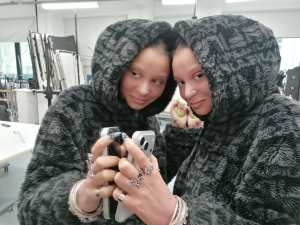
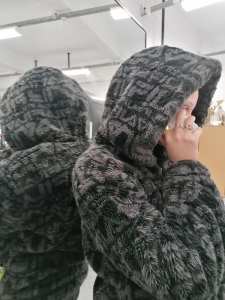
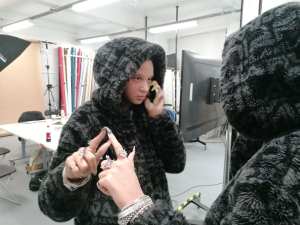
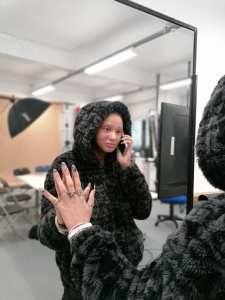
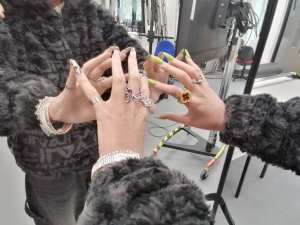
For this task I chose to use mirrors and reflection as the main element of each image in the series. The quality of the photos are quite low because they were shot on a phone rather than a professional camera, this choice was made with the aim of keeping the creativity as a priority over quality. I intended to experiment with interesting ways I could present an interaction between the main subject and their reflection.
Assignment 1 research
Lilli Kobeilski
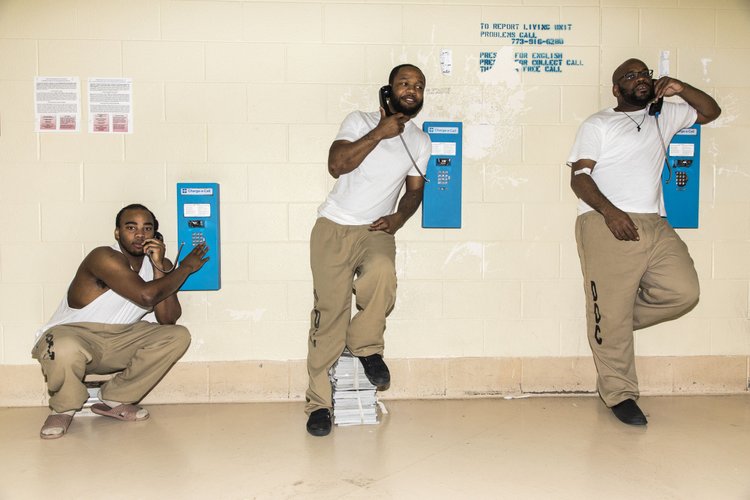
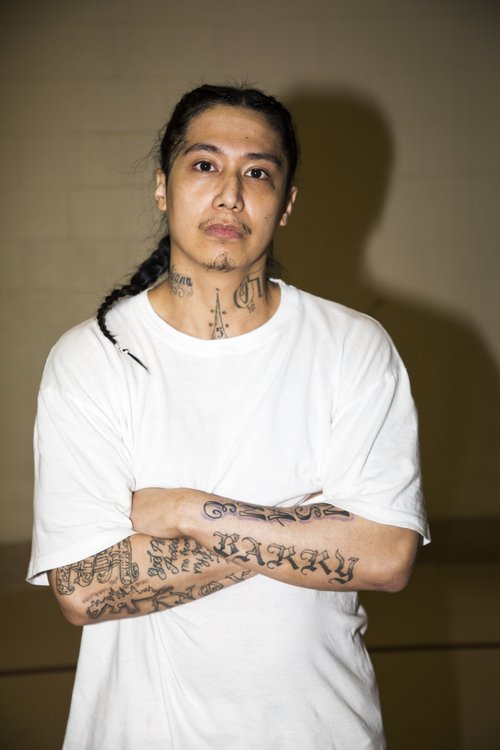
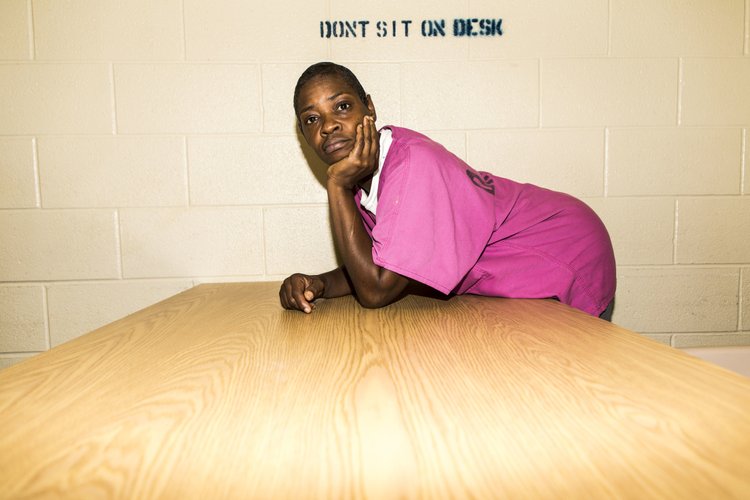
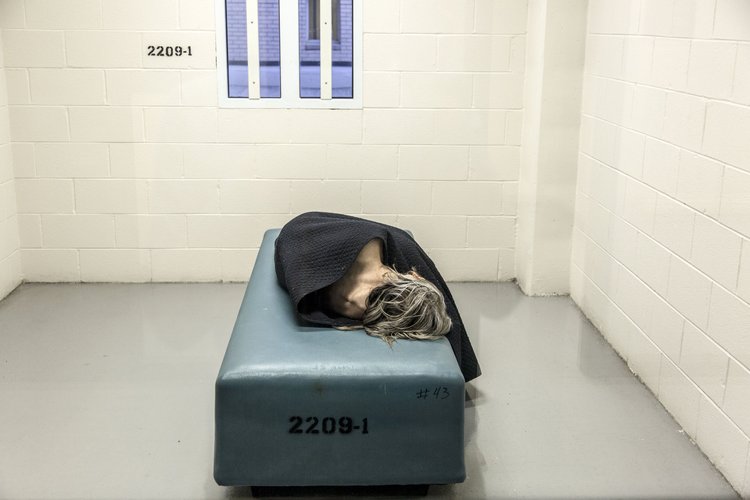
“I Refuse for the Devil to take my Soul”: a series of images made based on the abandonment of the many inmates facing mental health crisis.
I find her work to be very interesting. She captures her subjects in a vulnerable way that allows the viewers to empathise with their experience. I believe that factors such as the neutral lighting, the relatable and often melancholic scenes depicted evoke a feeling of sentimentality that is further reinforced by the story behind each piece.
Soul, M. (2019). Lili Kobielski. .Available at: I Refuse for the Devil to Take My Soul — Lili Kobielski [Accessed: 24/03/2026].
WEEK 8
Narrative Imagery through still life & Introduction to Light Painting
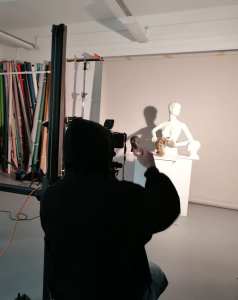
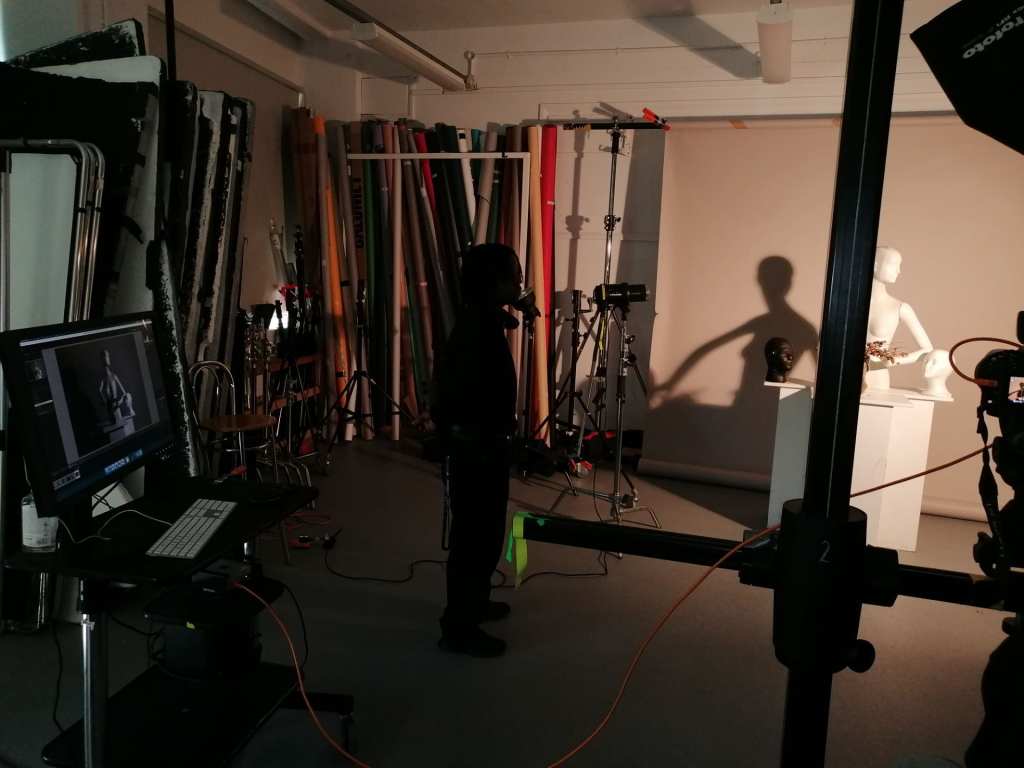
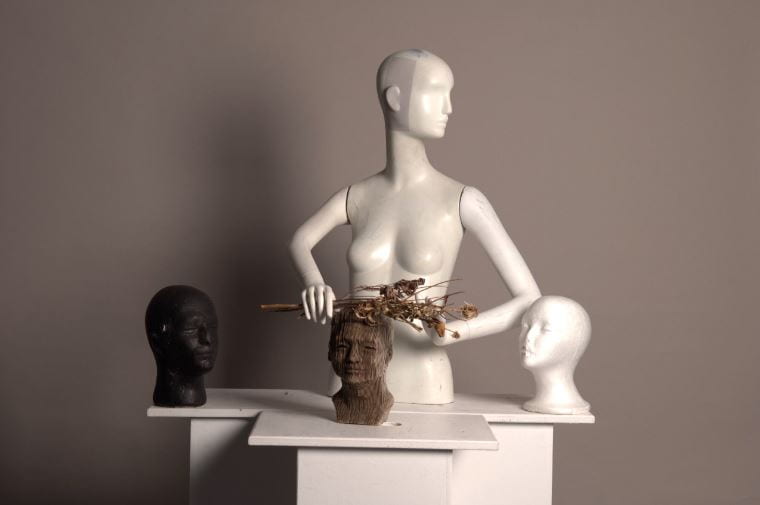
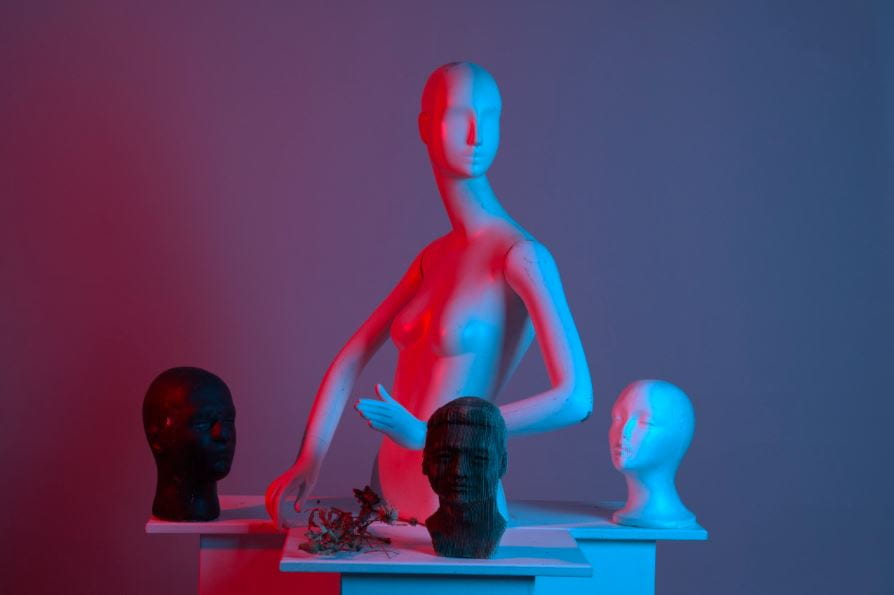
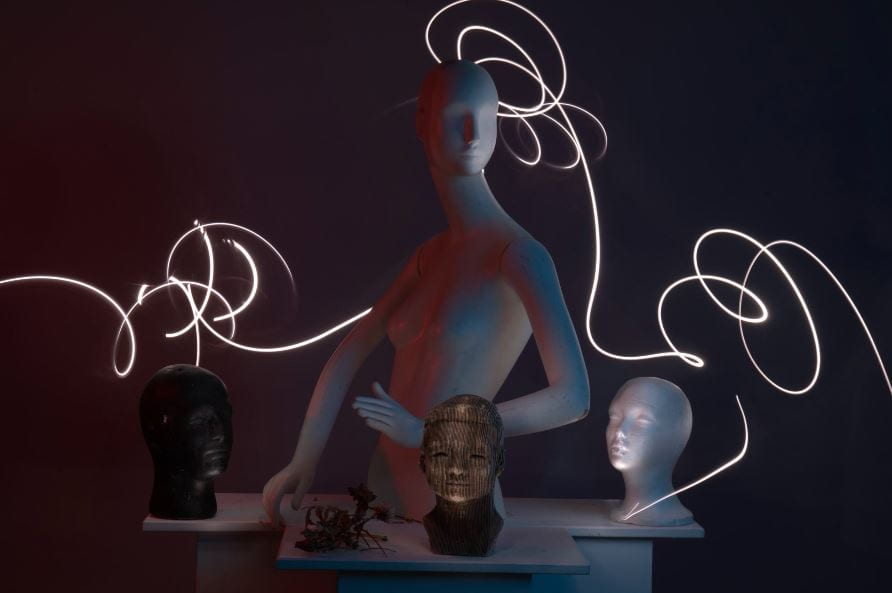
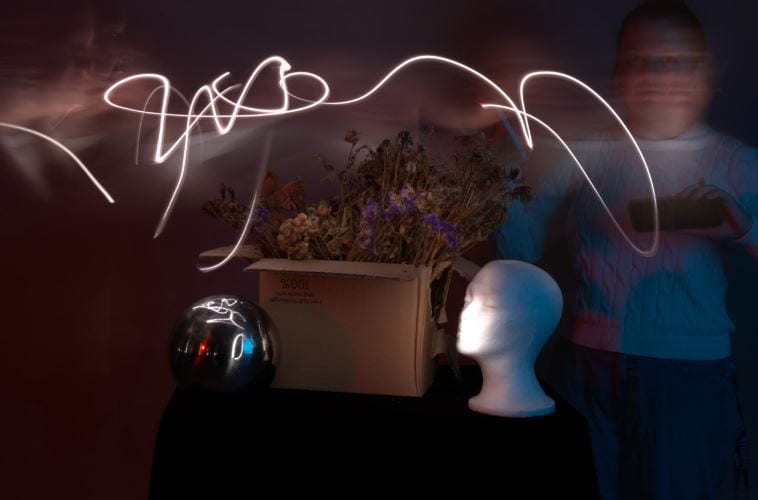
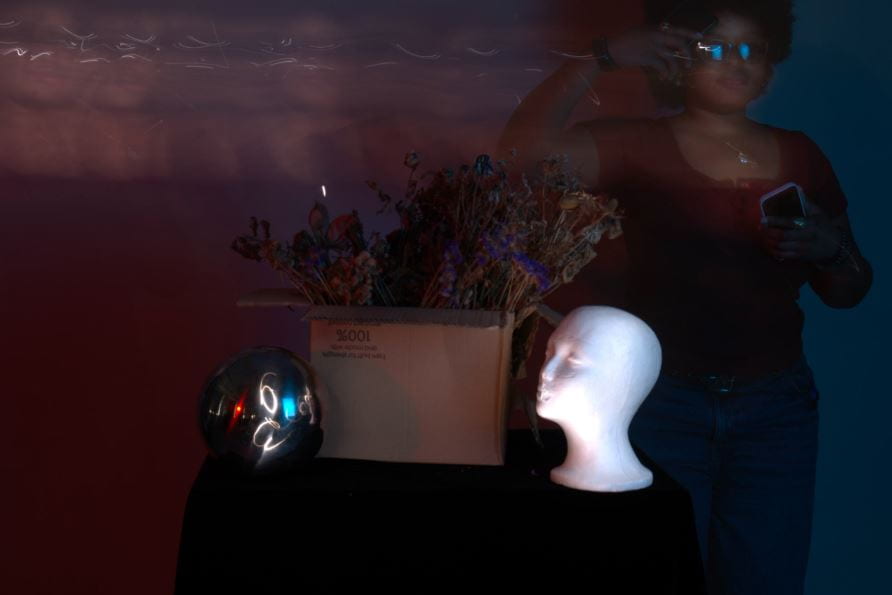
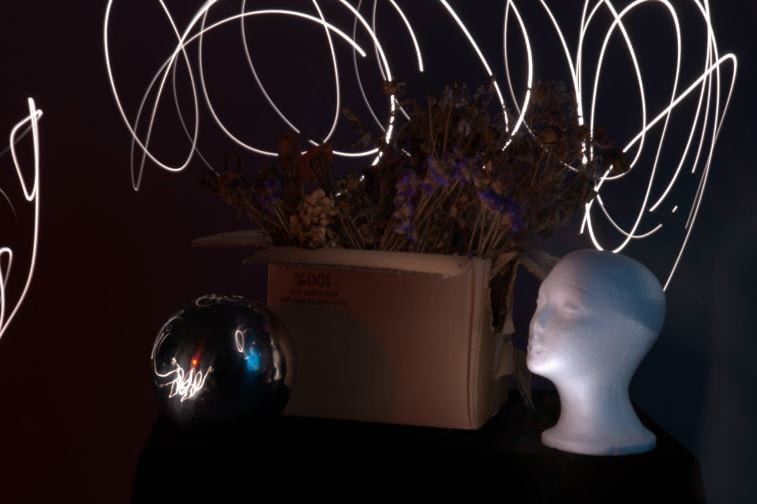
The main aim of this session was to experiment with the use of lighting set ups and narration through photography. A selection of objects were gathered and placed in a specific way that communicates a story. The story chosen was of a goddess being worshipped and served by her followers.
Light painting
This is a method of photography that involves the movement of light achieved through long camera exposures. The camera captures the movement of light through an amount of time;
WEEK 9
Assignment 3 – Stop motion Animation Workshop
This session was an introduction to the art of stop motion animation along with an opportunity to work on assessment 2, which requires the making of a short stop motion film.
Animation is the art of creating a sequence of movement through the use of still images or frames. Eadward Muybridge is a photographer and pioneering figure in the history of photography and animation. He captured a series of images displaying movement of a man riding a horse. This was done in 1877 to prove that a horse reaches a points where it flies while galloping.
Stop motion is an animation technique that involves the physical movement of subjects being captured to create consecutive frames that display a movement or sequence.
Creating a stop motion animation using cut out images.
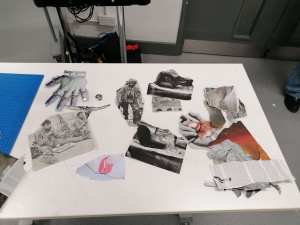
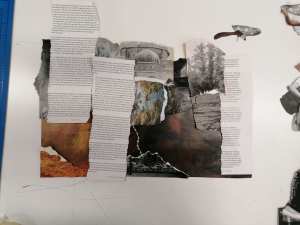
I plan to create an abstract animation centred around the idea of variety that comes with human existence. I aim to display isolated human features constantly being rearranged to create different types of people. The sequence will be displayed through a first person view, as my hand will be shown placing an image in each scene. I intend for this aspect to imitate the process of a higher power creating humans. This will be done using cut out images from books and magazine pages; specifically displaying features that represent the different spectrums of human life through.
The following are images of the workshop set up.
The background is a combination of different landscapes and portions of large text. I made this choice to further highlight the general context f the animation
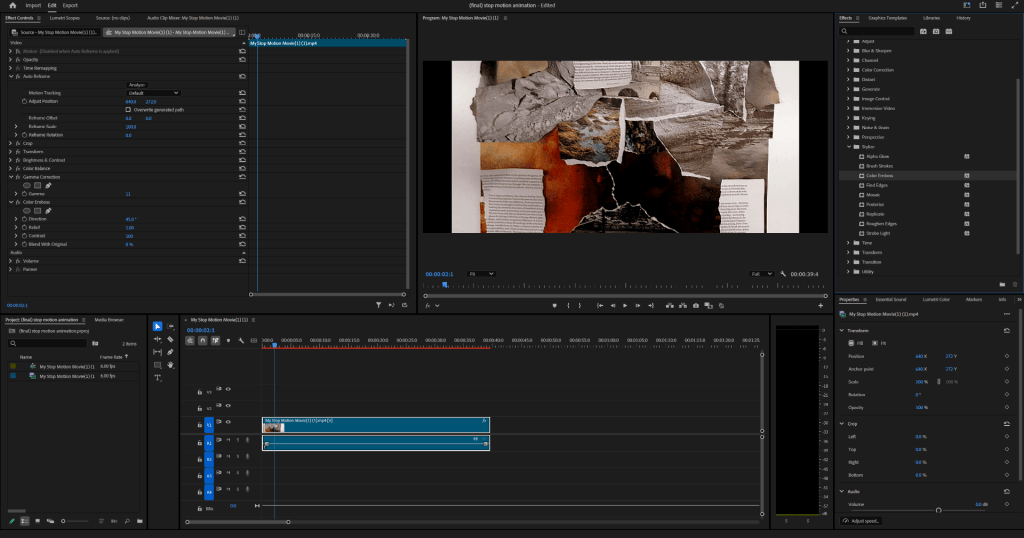
Editing the final sequence
The final sequence was then edited to change its quality. I aimed for a retro look, with higher saturation and contrast.
Raw video
Final video
Audio: Crystal X by Night verses
Analysis and Reflection
I believe that I was able to meet the expectations of the brief. I am very content with the final animation as I feel that it accurately represents the main subject. The vintage quality contributes to making the video more visually appealing while the audio holds the attention of the viewer. However, I feel like the duration of the video could be extended to further support the project’s theme. By adding more cut out pieces and movement, the idea of variety could be emphasised. Furthermore, other principles of animation could be integrated to its production. These may include the principle of staging and appeal to make the sequence more interesting to watch.
WEEK 10
Portrait photography lighting set ups
This session was an introduction to photography light set ups useful for portrait photography. The way light and shadow is displayed is very important to the general feeling of a scene or photograph. This lecture also acted as a general introduction to assignment 2, which involves capturing portraits.
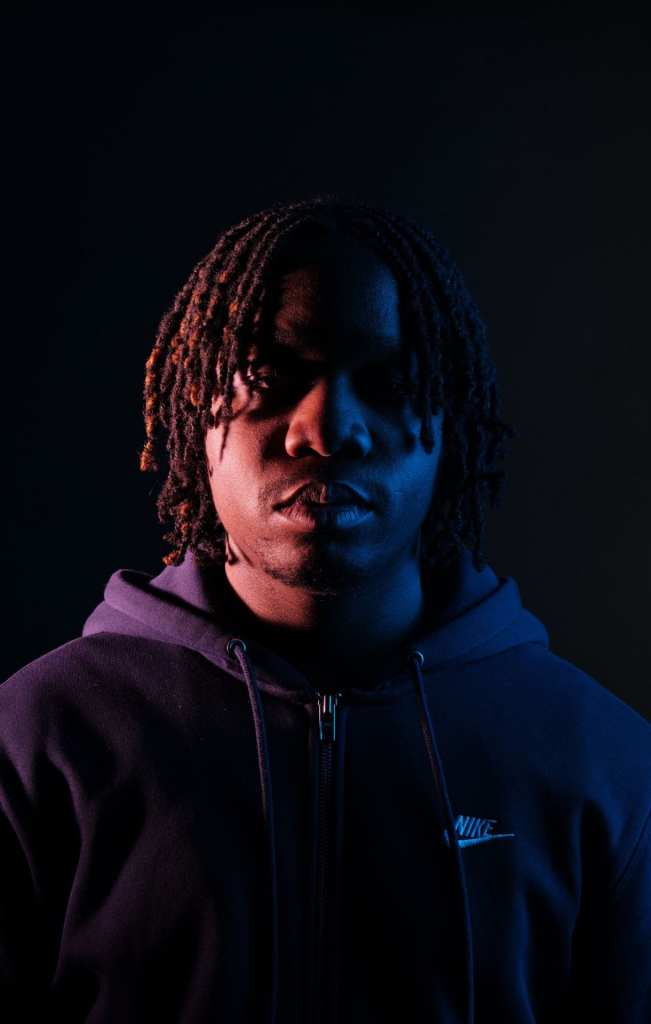
1. Split lighting: portrait lighting technique where only half of the subject is lit up, while the other is darkened by shadow, creating a ‘split’ effect.
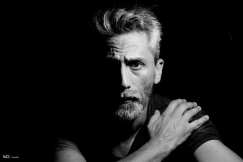
2. Loop lighting: one of the most common lighting technique that creates distinct shadows on the cheek opposite the main light.
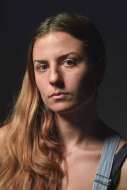
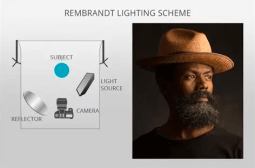
3. Rembrandt lighting: much like loop lighting but a distinct light shadow appears where the nose and cheek meet on the subject’s face.
4. Broad lighting: with this set up, the part of the subject that is facing the camera is most illuminated by the light. Very common in portrait photography.

5. Back lighting/rim lighting: the subject is lit up from the back, often creating a rim lighting effect, thus the name.
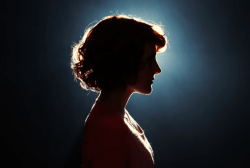
6. Short lighting: this technique can be applied to other lighting set ups, it simply involves the unlit side of the subject facing the camera.

7. Butterfly lighting: set up creates a distinct butterfly like shadow under the nose.

WEEK 11 – 12
Portrait Photography Workshop (Assessment 2)
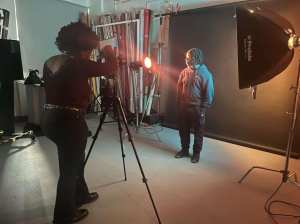
These sessions was dedicated to the creating of this module’s 2nd assignment. This involves capturing a series of photographs while taking account of aspects such as lighting set ups, camera exposure and sequencing.
Assessment 1
Proposal
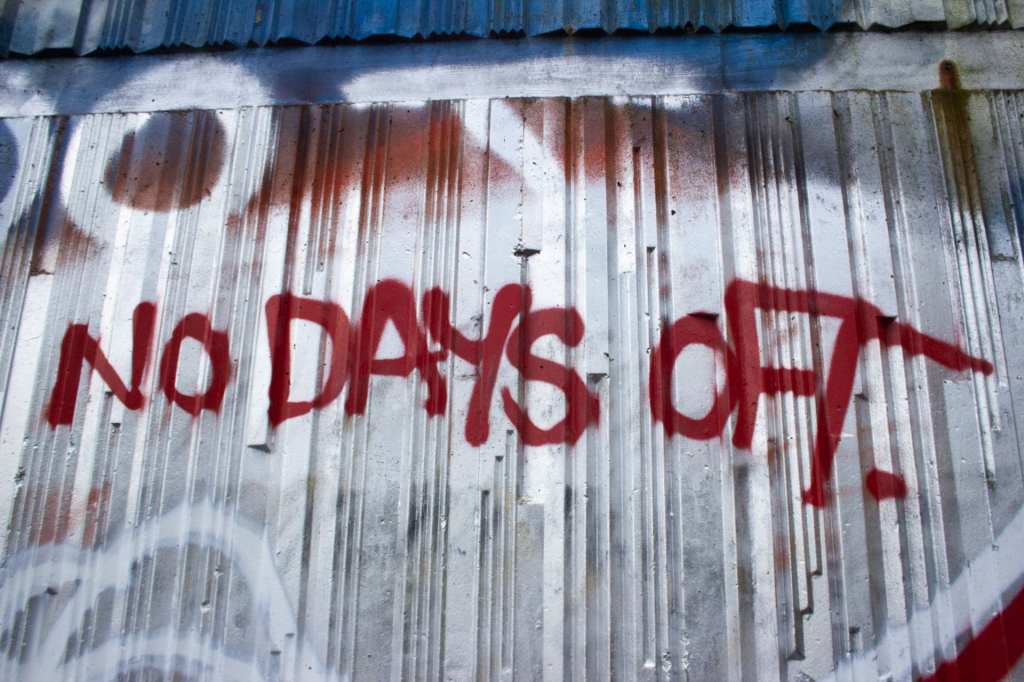
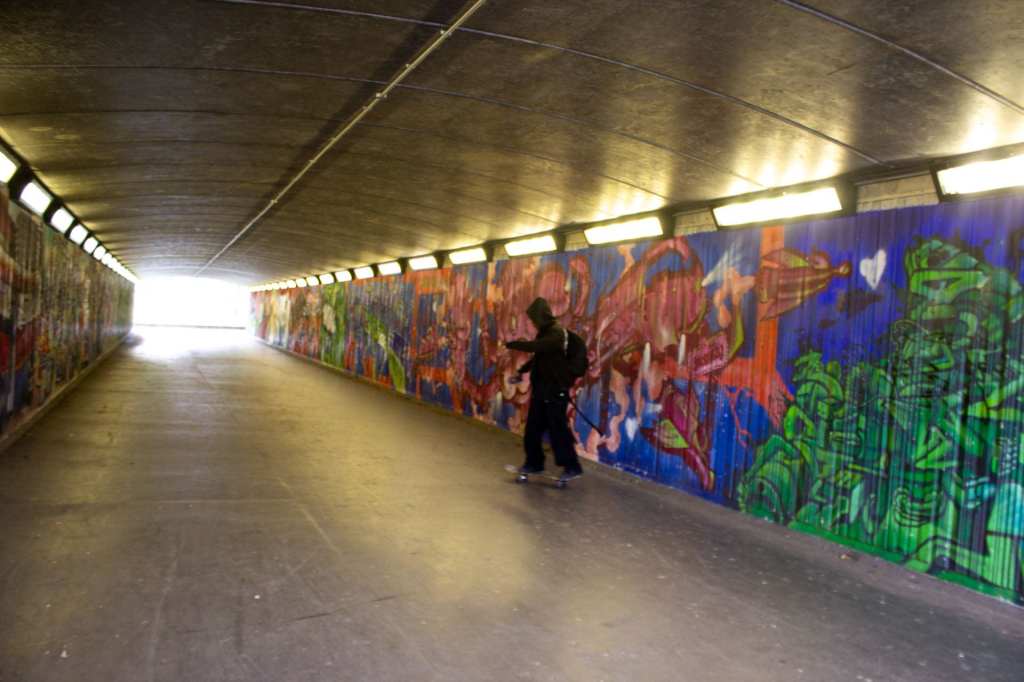
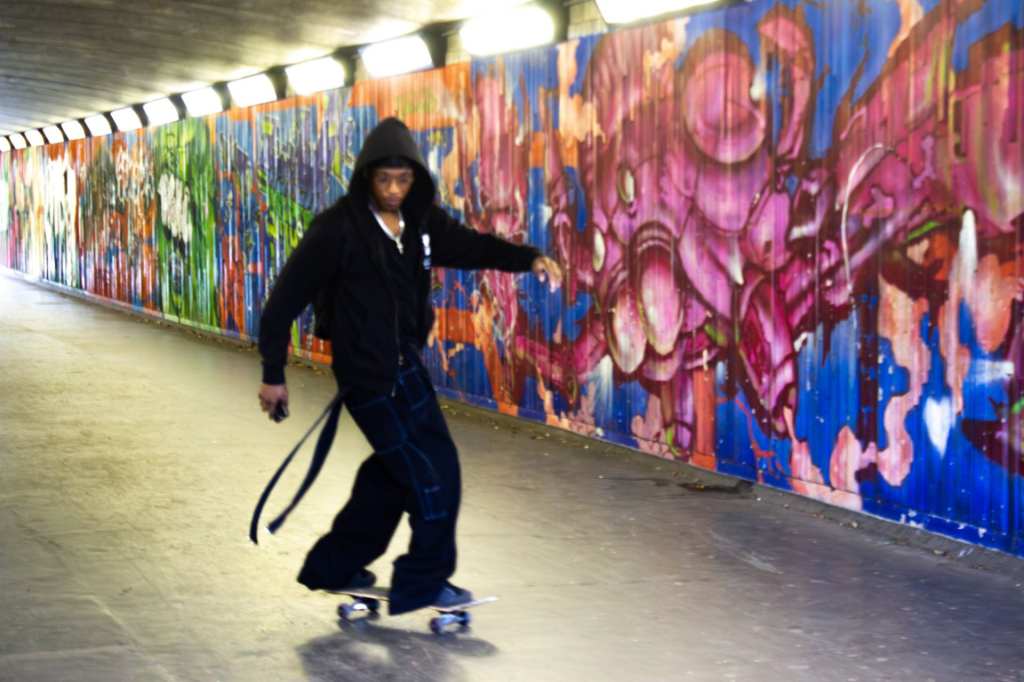
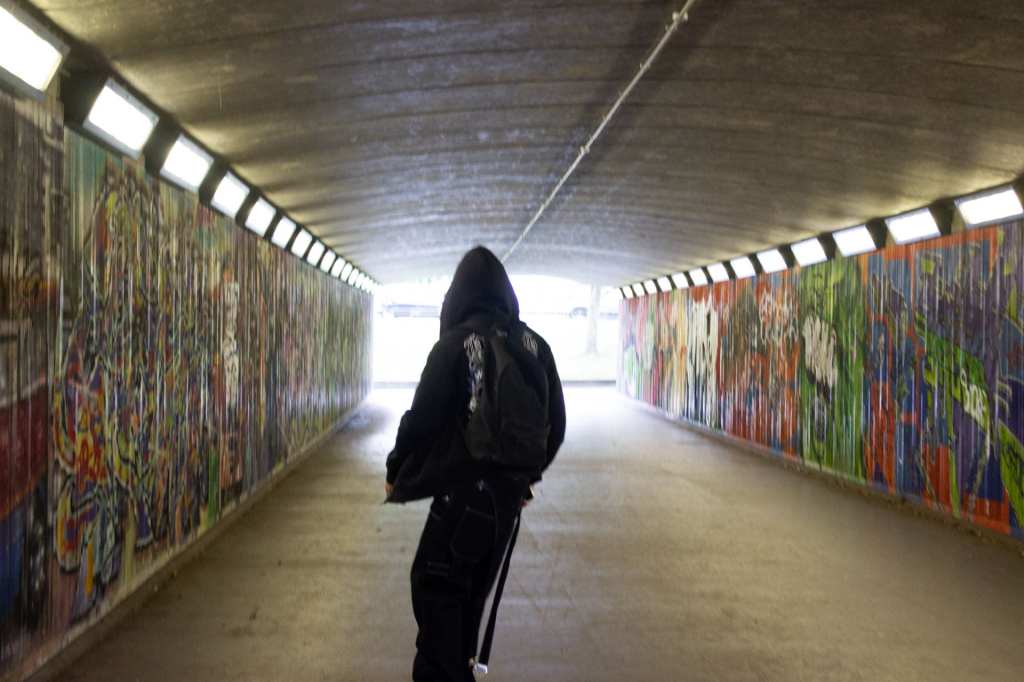
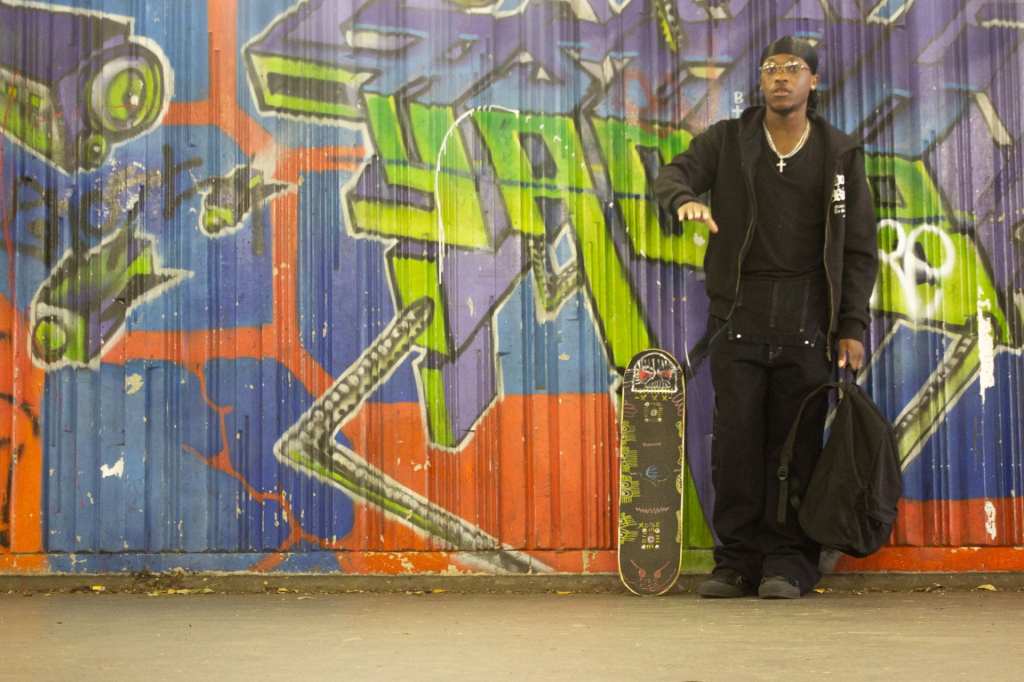
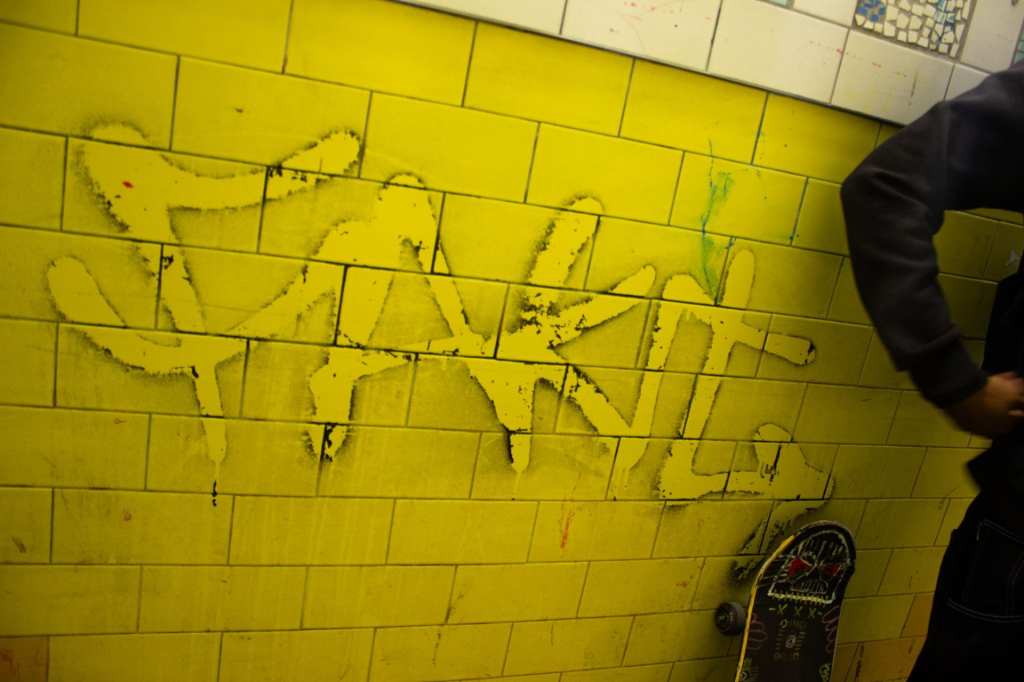
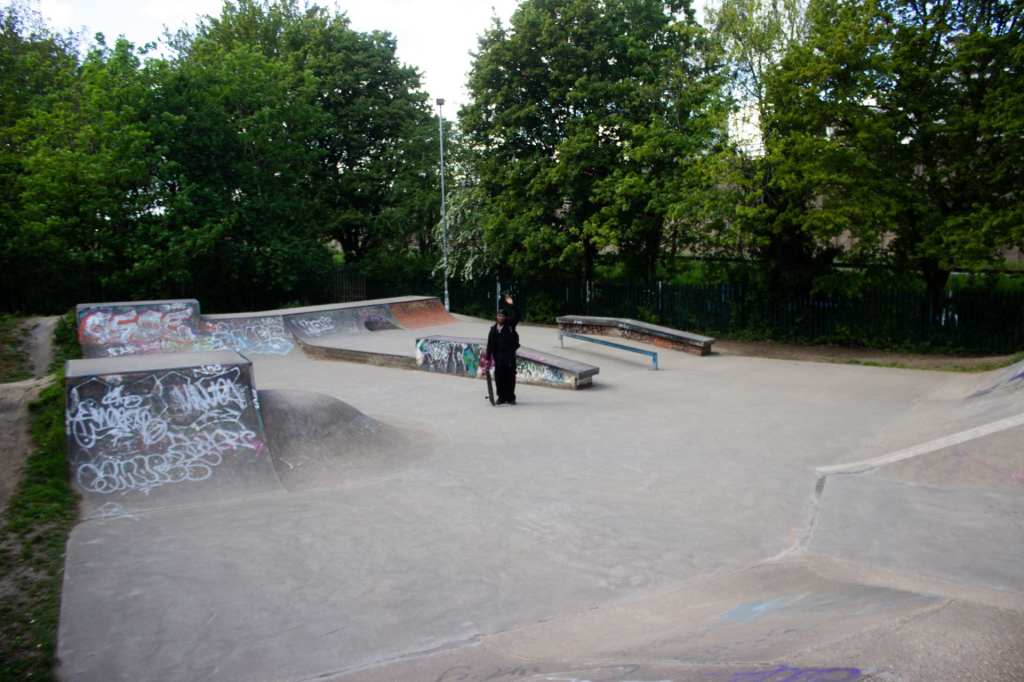
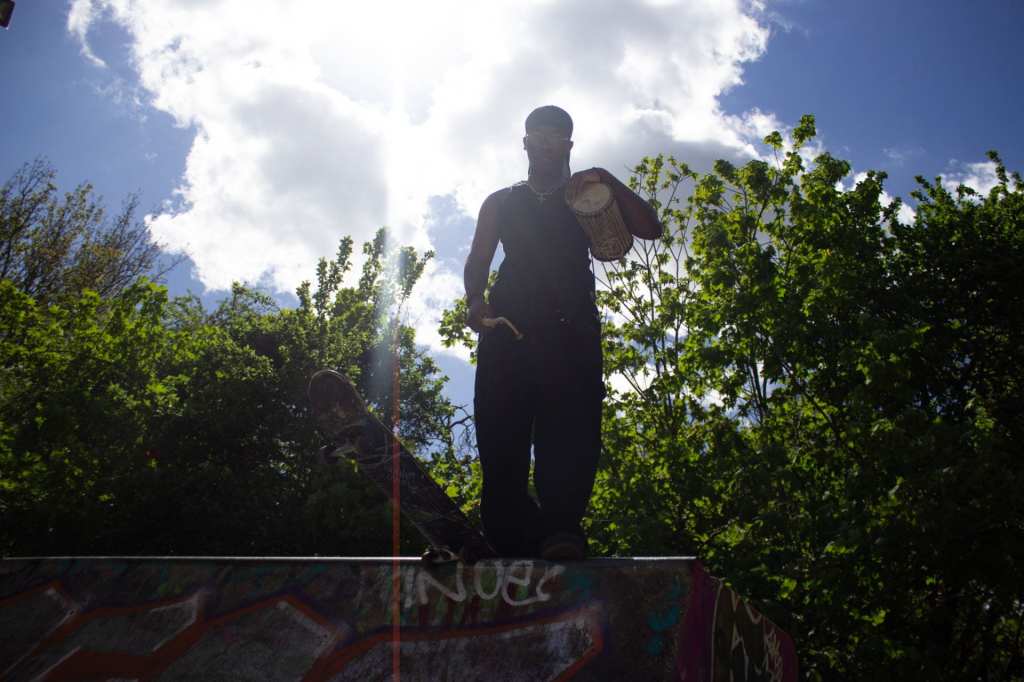
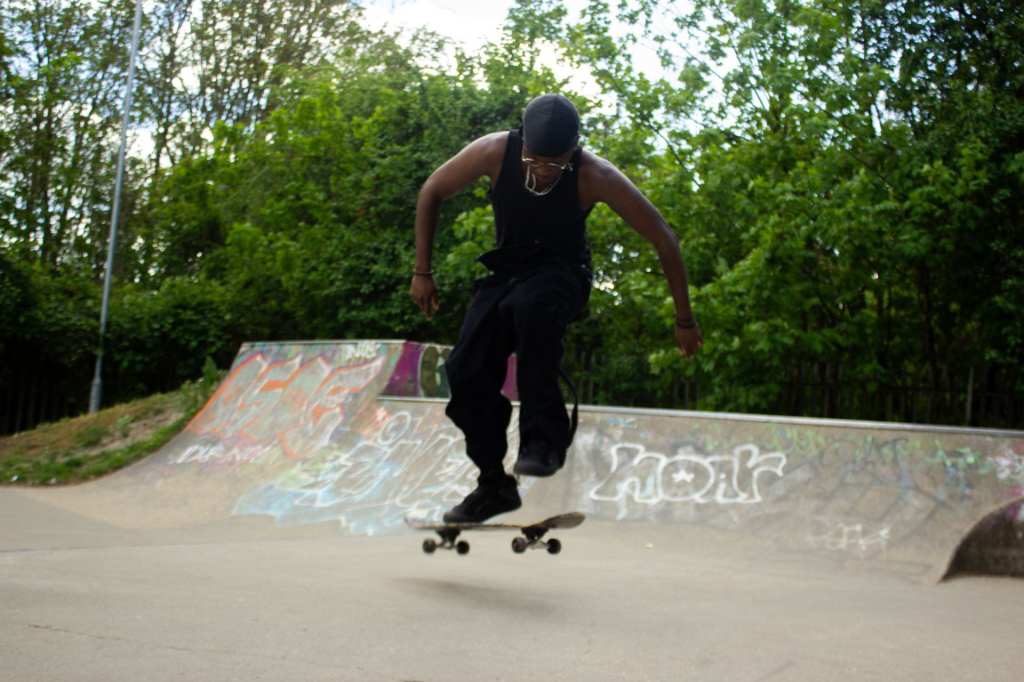
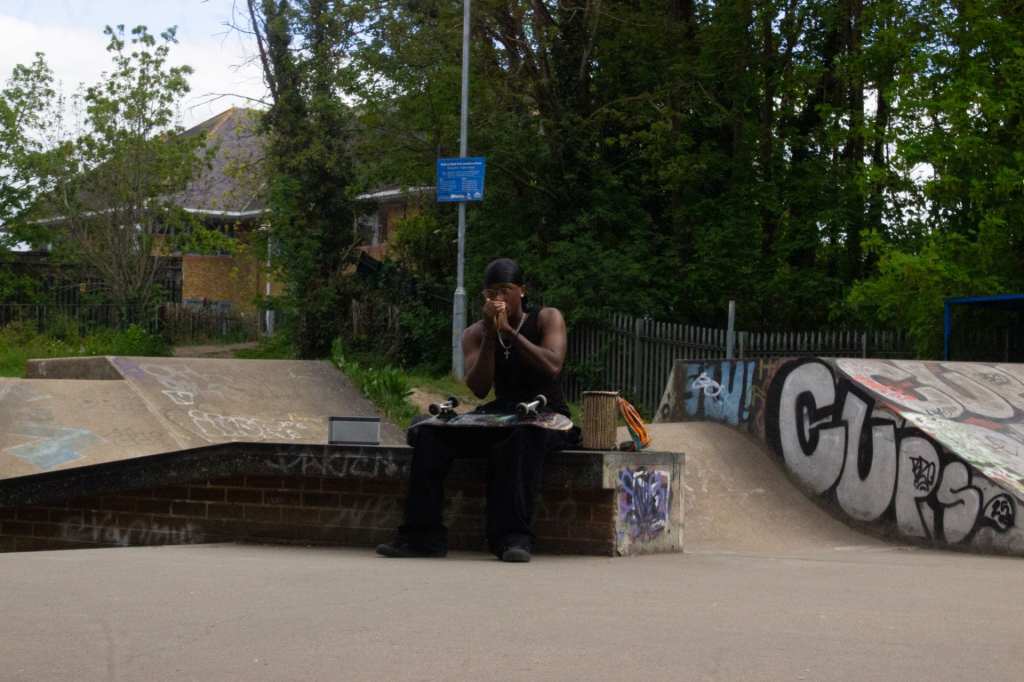
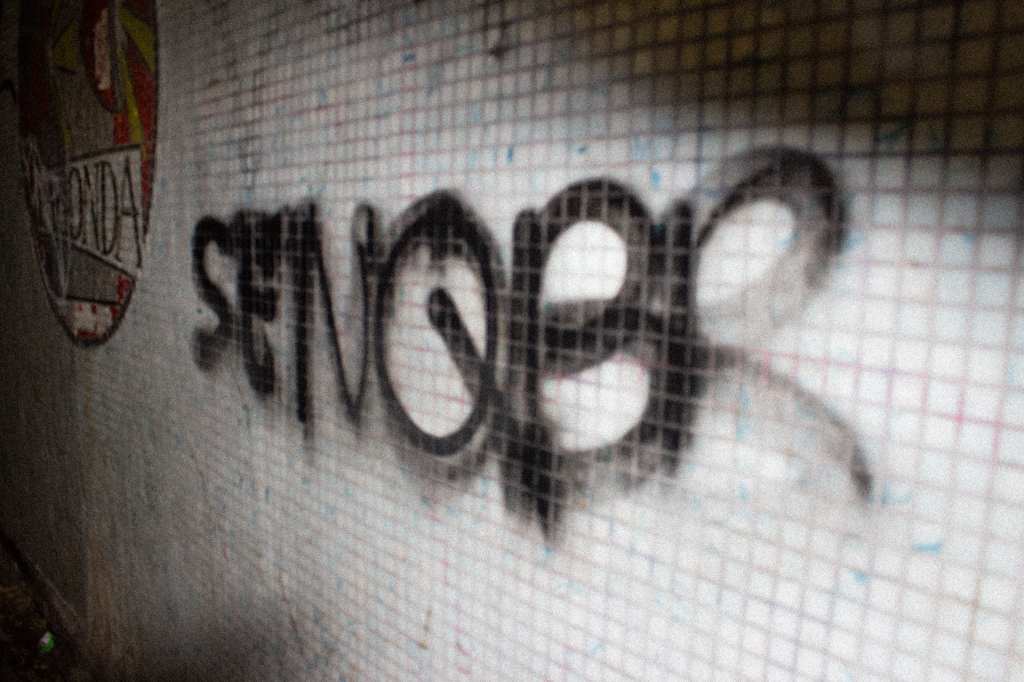
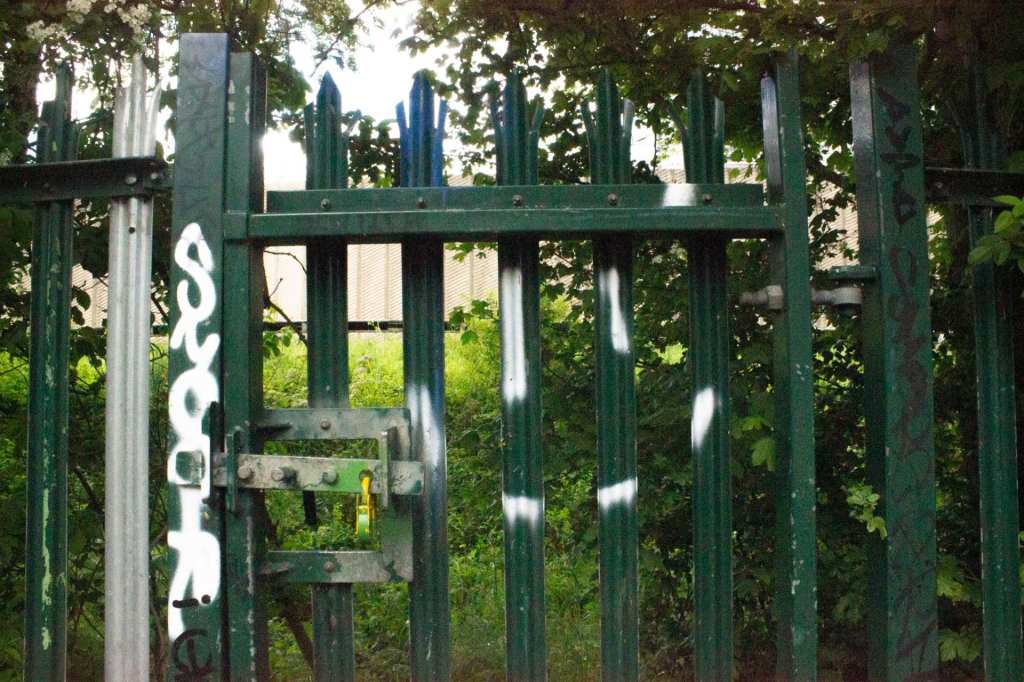
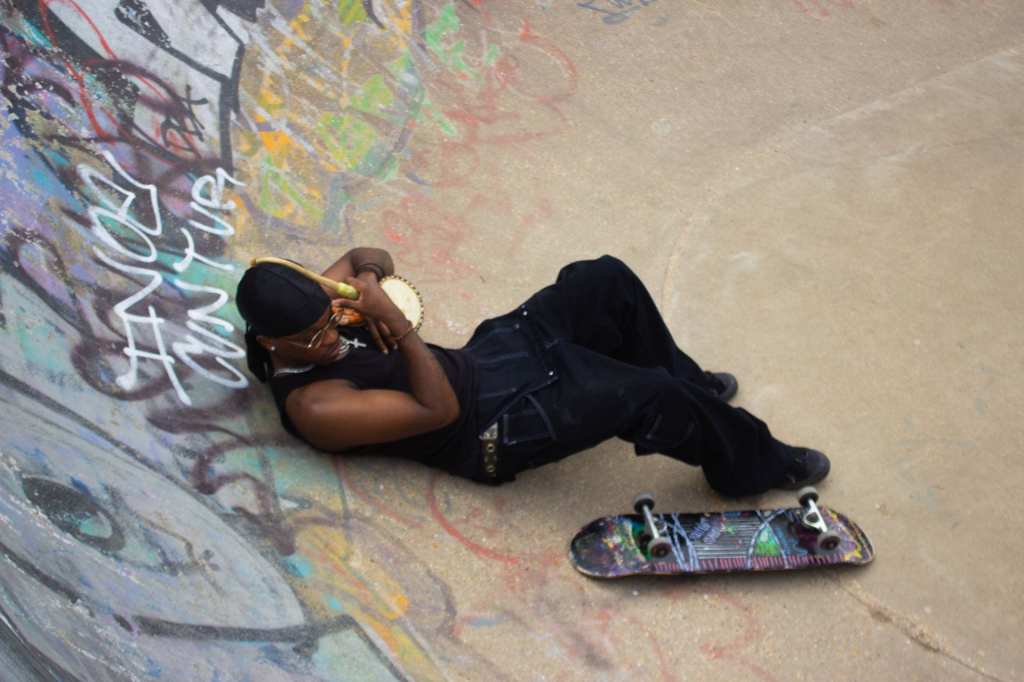
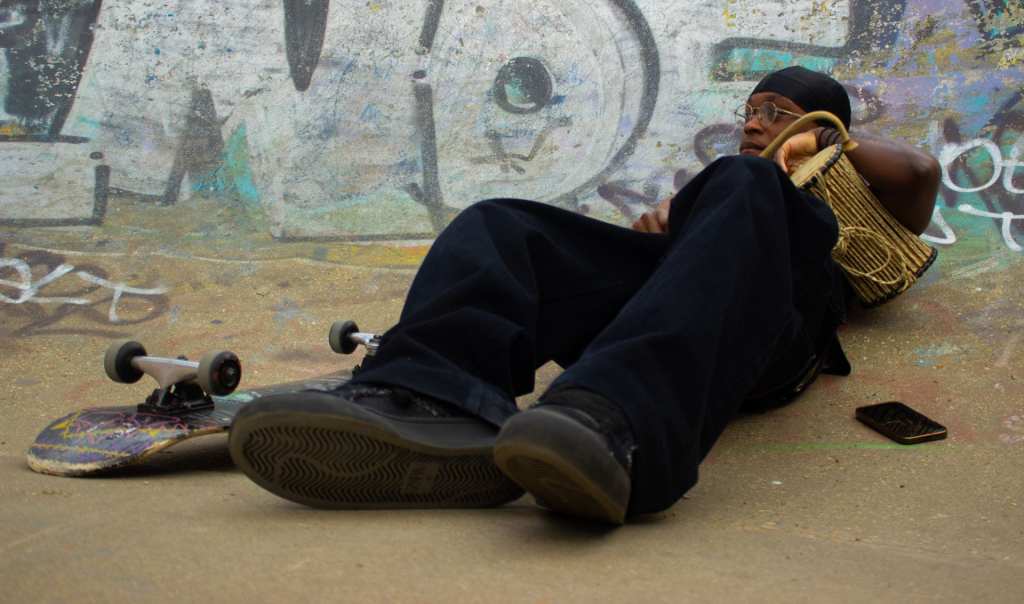
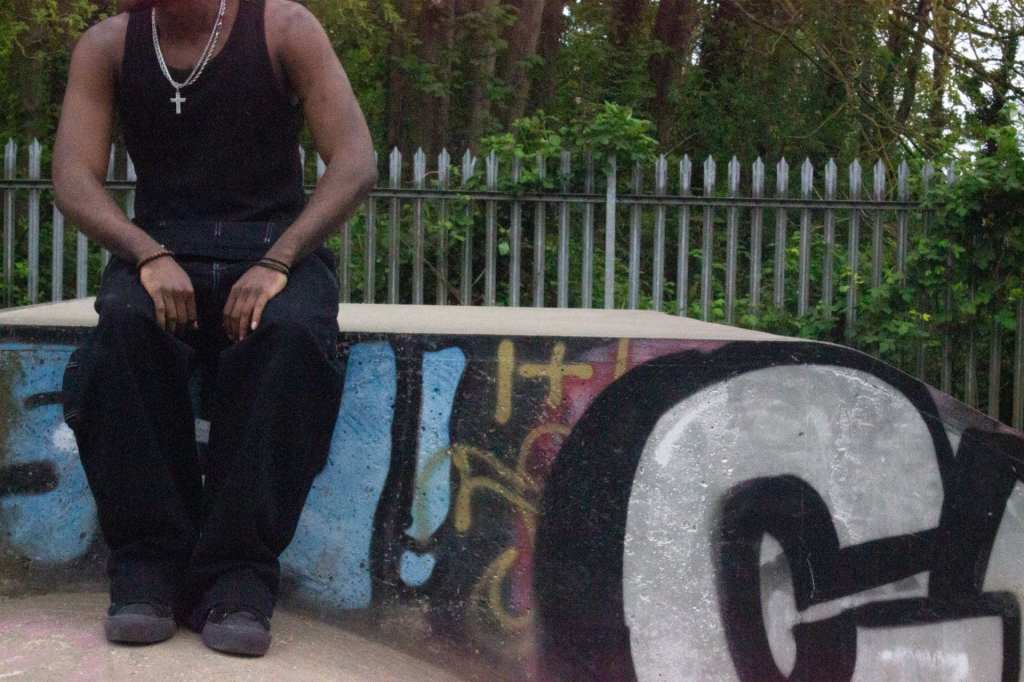
In response to the assignment brief I plan to photograph a series of images relating an idea rather than a linear story. My main focus is to represent the pursuit of freedom and content through solitude. I believe that having a passion can positively replace the feeling of loneliness that comes with having no companions and I intend to explore this through my project. I chose this as the main topic for this assignment because it will allow me to capture interesting images displaying dynamic compositions that align with all that I’ve learnt in the module so far. The scenes I plan to capture will have my main subject doing or being surrounded by what they most enjoy along with other pictures displaying elements relating to it, such as the area where they spend most of their time or art closely related to them. I hope to experiment with composition techniques, lighting, aperture and motion blur. While the scenes will be mostly staged, I aim to depict a feeling of authenticity and relatability through editing and it general layout.
Project Storyboard
Editing with Adobe Lightroom
To further relate to the theme of solitude and comfort, I increased the amount of noise to allow the nostalgia of looking at an old photograph . I experimented with the colour levels and increased the contrast to make the photos appear more professional. I adjusted factors such as the lighting and saturation to better the images’ quality.
Final Images
Analysis and Reflection
I found the making of the project to be very interesting. It was an opportunity to further immerse myself into the art of photography sequencing. I am quite proud of how the images came out as I feel that I was able to present the level of relatability I was aiming for. This was achieved through the setting choice and my approach toward editing with adobe lightroom. While I’m very happy with the dynamic shots I captured, I believe that the variety of scenes displayed could be increased to make the final results more interesting. I feel that more images with elements that loosely relate to the subject matter could be added to the sequence. This would make the final result more engaging, as it would challenge the viewer to question the thought process behind its making. In order to make my works more dynamic, I hope to further explore composition techniques. While good composition isn’t something this project lacks as techniques including fill the frame, golden ration and negative space can be observed, I feel that the range of methods used could be increased. Techniques such as patterns or textures, foreground interest and depth, and colour combinations would’ve enhanced the look of the sequence.
Assignment 2
Proposal
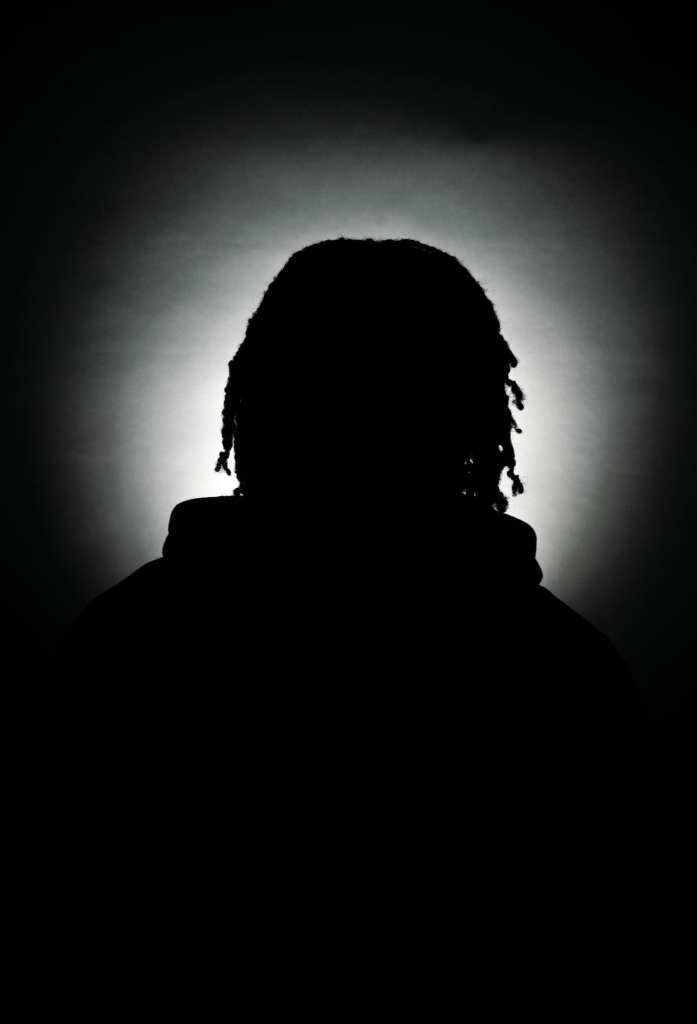
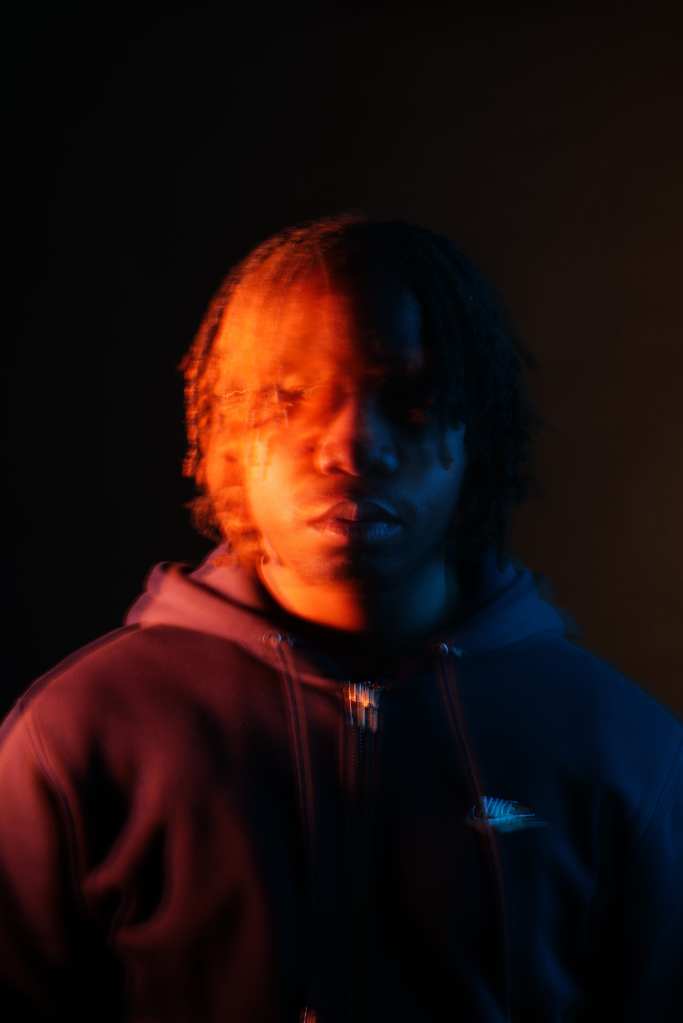
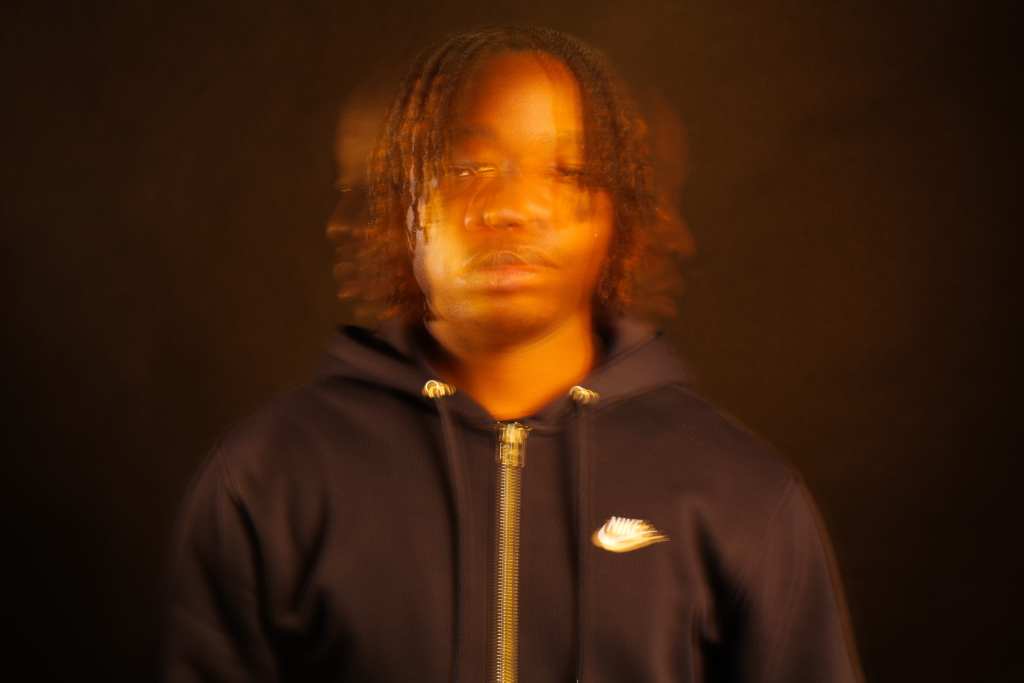
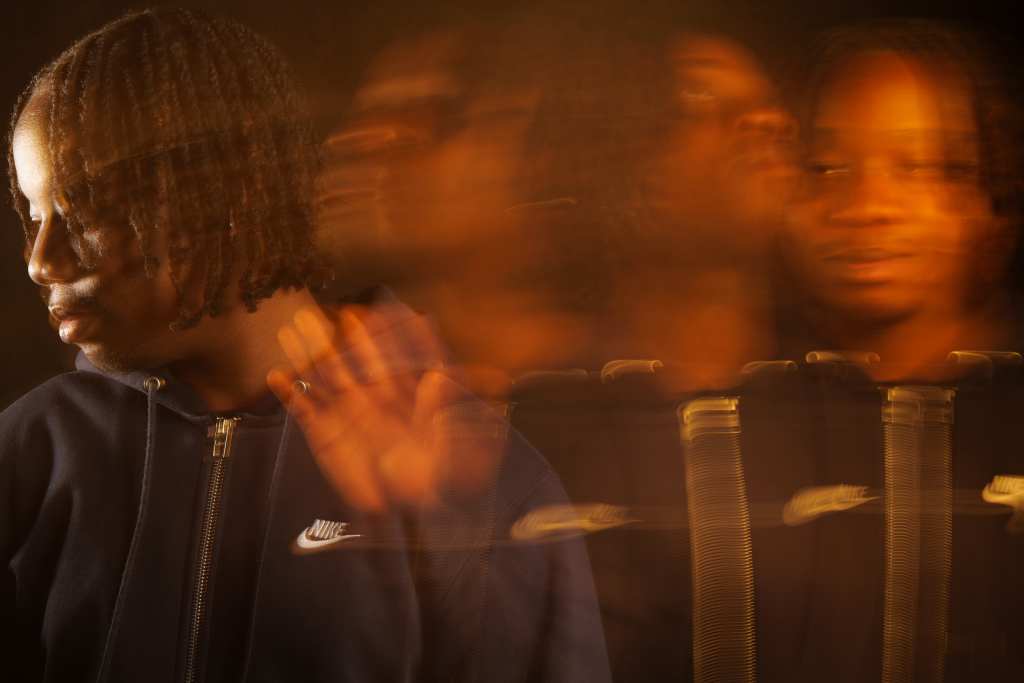
For the images I aim to capture, I intend to represent the idea of disassociation and identity loss. I plan to communicate the story of a person that gradually losses their identity due to their constant masking or concealment of their true behaviour. To achieve this, I will explore approaches such as dynamic lighting, multiple exposures, emotional imagery and shutter speed. The photographs will be captured on the university campus with professional equipment such as a Panasonic camera, light boxes, and coloured gel sheets.
Analysis and Reflection
Through the course of this project, I have explored techniques such as light painting, dynamic lighting set ups and the use of multiple exposures. I believe that the final portraits are a representation of all that I’ve learnt with this module, thus I’m very content with how it all turned out. I feel that I was able to combine my artistic narration skills with the technical elements that come with photography. This can be observed through the use of lighting to subtly represent a divide in the main subject’s personality, and the use of multiple exposures to further emphasise this idea. However, I feel that there are a few elements that could be developed to make the final project more engaging. These may include my approach towards the multiple exposures technique. I feel that I could have experimented more with the cloned imagery created by increasing the exposure duration. This would therefore capture more focused duplicates, allowing the topic of the project to be easily understood. In the future I hope to explore different narration techniques used in photography. I truly enjoyed the art of sequencing the came with making this project and believe that further refining these skills will positively influence my abilities as a learning visual effects artist.

